
Austria · Grazer Bergland
Strauchdieb
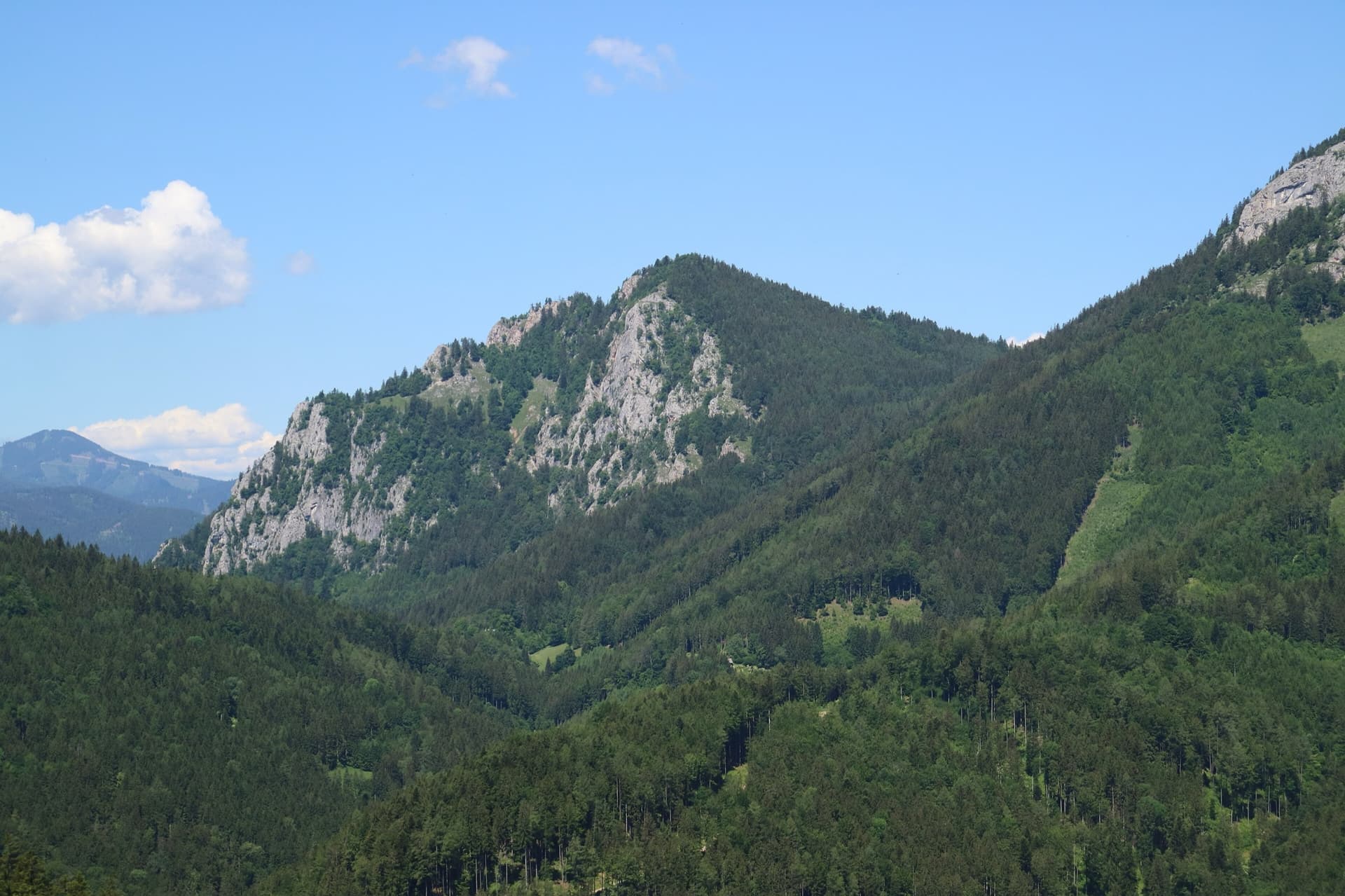
A new (2025) nine-pitch outing on the right edge of the Breite Wand that weaves between the bushes. Three spots of UIAA 5-/5, otherwise easier. Still a little earthy in places.
5a9 pitches260 m
Röthelstein – SO-Sporn (south-east spur) · Grazer Bergland · Austria
Bail not documentedBolting confidence: high
A modern plaisir line on the south-east spur of the Röthelstein, finished in 2018 by linking three old, forgotten pitches with six newly cleaned ones. The fifth and sixth pitches are rated among the best on the Röthelstein. UIAA 6+ at the hardest, with only 5 obligatory.
The route
Broken Soul is one of the newest independent lines on the crowded south-east spur (SO-Sporn) of the Röthelstein. Matthias Pilz combined the old, rarely climbed second, ninth and tenth pitches with six pitches that he dug out and bolted between 2016 and 2018. The result is a homogeneous route of about 315 m at UIAA 6+ (about 6a+), with only 5 (about 5a) obligatory, on stainless bolts throughout. bergsteigen.com says pitches 5 and 6 are among the best on the mountain. You top out near the climbers' summit and walk down.
The climbing
| Pitch | Grade | Notes |
|---|---|---|
| P1 | – | Starts at the thread and the magenta bolt. |
| P2 | – | One of the older pitches. Do not follow the thread out left, which leads to the Postlersteig. |
| P3 | – | Not described. |
| P4 | – | From here the hangers change from Fixe to AustriAlpin. |
| P5 | – | A magenta bolt at the start shows the way. One of the two best pitches of the route. |
| P6 | – | The other outstanding pitch. |
| P7 | – | Not described. |
| P8 | – | Not described. |
| P9 | – | One of the older pitches taken into the route. |
| P10 | – | One of the older pitches taken into the route, to the exit below the climbers' summit. |
Getting there
From the S35 expressway between Graz and Bruck an der Mur leave at Frohnleiten and take the road towards Tyrnau. Beyond Tyrnau turn left and drive up to the Rote Wand car park at about 870 m. bergsteigen.com notes that a parking fee is charged.
25 to 35 min. From the far end of the Rote Wand car park take the gently descending forest track past the barrier and a track junction. Just before an old hut turn right onto a clear path and follow it on the level, finally through young forest, to the meadow in front of the Steindl hunting lodge. Go up the left edge of the meadow into the wood and left onto a wooded shoulder by a wooden fence. Climb the ridge, pass left through the old game fence and follow it to the big clearing below the SO-Sporn. Go up to the foot of the wall and, shortly after a step, take the upper path leftwards along the base. You reach the start of the Postlersteig at a cemented ring and a memorial plaque ('Petra'). Go 30 m further left and 20 m up to the start at a thread and a magenta-coloured bolt, at about 1000 m.
Loading map
The point marks the crag, not the exact start of the route.
Parking
Rote Wand car park above Tyrnau (bergsteigen.com marker 'Parkplatz')
Point from bergsteigen.com map marker 'Einstieg (ungefähr)', marked approximate
Contains the route point and parking. Opens in most mapping apps and GPS watches.
Points are compiled from published sources, with the precision stated above. They were not surveyed on the ground: check them against a current topo.
Coordinates: 47.32444, 15.38860 (crag) · Parking: 47.32050, 15.40900
Getting down
From the exit go up to the climbers' summit, then right, following yellow dots, down to the Buchebensattel. Follow the forest track back to the car park. bergsteigen.com gives 35 to 40 min.
Retreat
Bail not documented
Retreat is not documented. The source describes only the walk-off from the top and does not say how the belays are rigged. With stainless bolts at every belay and a single 50 m rope, abseiling pitch by pitch should be possible only where pitches are under 25 m, and the pitch lengths are not published.
Partly inferred from the route facts
Safety
Sun and weather
South-east facing, base about 1000 m. bergsteigen.com shows a season of March to June and September to November; the spur is hot in midsummer.
Sun on the wall · SE-facing
Working out the sunlit hours for this month.
Sun on the wallDaylight, wall in shade● Usual season
Estimated from the wall's aspect only. Ignores surrounding terrain, gullies and the wall's exact shape. Clock times are local to the wall (Central European time), for the 15th of each month.
| Measure | Jan | Feb | Mar (usual season) | Apr (usual season) | May (usual season) | Jun (usual season) | Jul | Aug | Sep (usual season) | Oct (usual season) | Nov (usual season) | Dec |
|---|---|---|---|---|---|---|---|---|---|---|---|---|
| Mean daily high °C | 0 | 2 | 6 | 11 | 15 | 19 | 21 | 20 | 16 | 11 | 6 | 1 |
| Mean daily low °C | −8 | −7 | −3 | 1 | 6 | 9 | 11 | 11 | 7 | 3 | −1 | −6 |
| Rain days 1 mm or more | 8 | 8 | 10 | 12 | 15 | 16 | 15 | 15 | 11 | 11 | 10 | 9 |
● marks the usual climbing season. Averages for 1991-2020 at about 947 m. Area climate from Open-Meteo reanalysis. Temperatures are adjusted to the height of the crag; rain comes from a grid cell of about 10 to 25 km, and summer highs on sea cliffs can read a few degrees low. The wall and valley can differ. Data: Open-Meteo, CC BY 4.0.
What to carry
12 quickdraws, 2 slings, helmet and a single 50 m rope.
Derived from the route data; check it against a current topo
From climbers
Reader reports are not being collected yet. Until they are, check a current topo and the local club or guidebook publisher for recent changes to Broken Soul.
Worth knowing
Open questions
Provenance
Same area
Austria · Grazer Bergland
A new (2025) nine-pitch outing on the right edge of the Breite Wand that weaves between the bushes. Three spots of UIAA 5-/5, otherwise easier. Still a little earthy in places.
5a9 pitches260 m
Austria · Grazer Bergland
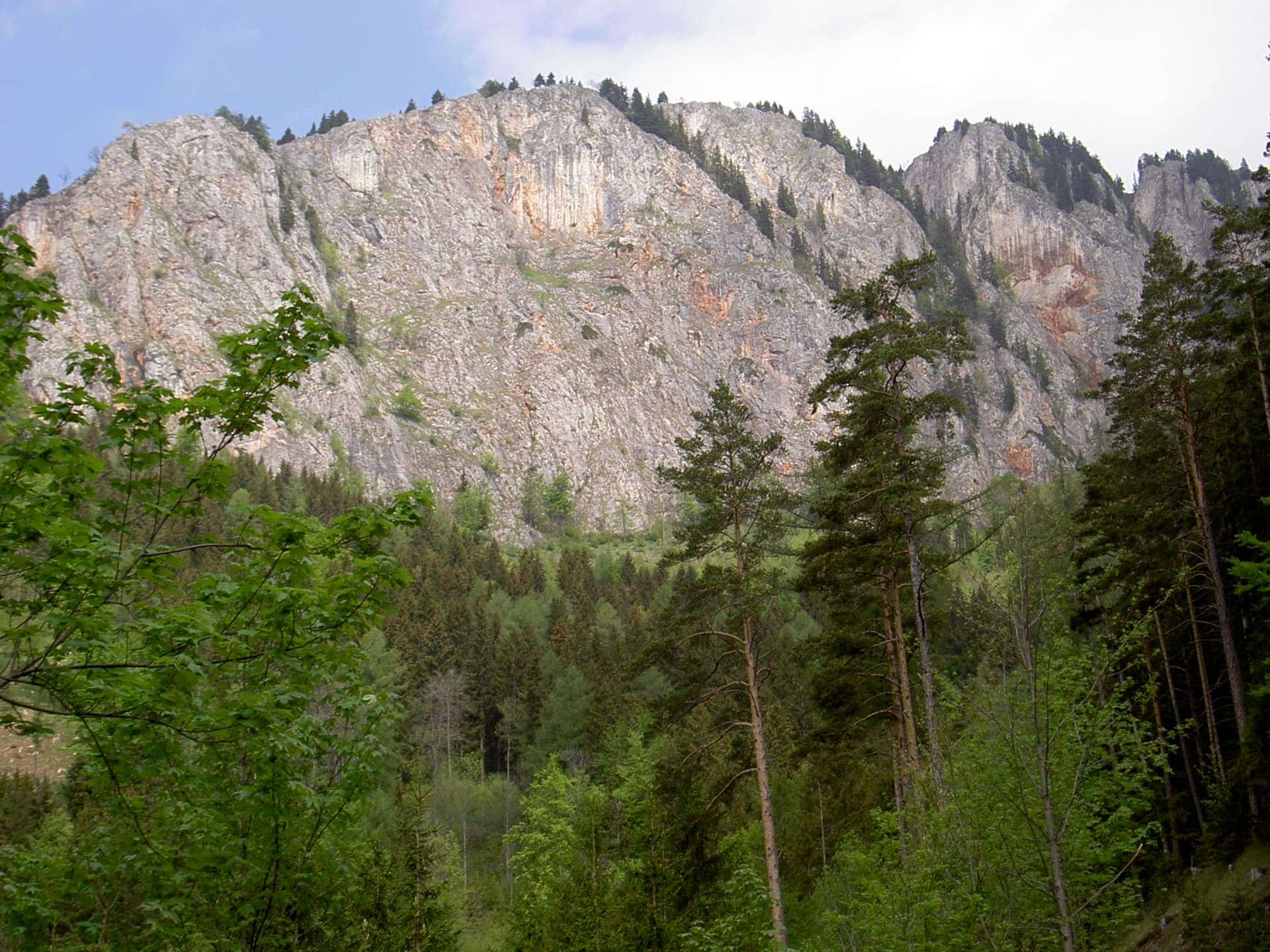
An easy ridge route up the left-hand end of the Rote Wand, first climbed in 1982. The rock is completely solid and the climbing uneven in difficulty, mostly UIAA 4 with a few moves of 4+ and 5. The hand-traverse on the penultimate pitch is the highlight. Somewhat polished.
5a7 pitches225 m
Read the cautions
Austria · Grazer Bergland
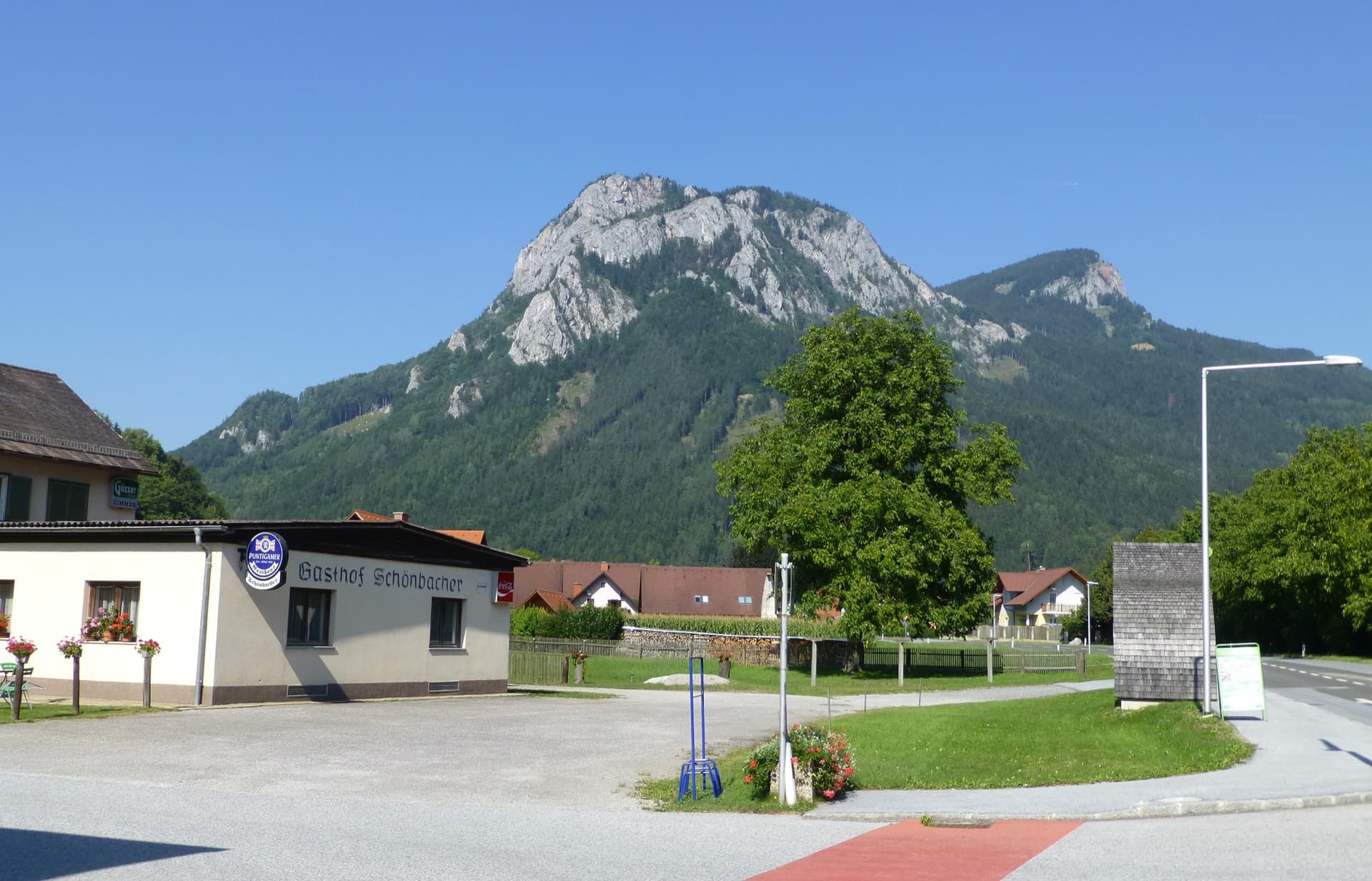
One of the longest climbs in the Grazer Bergland: thirteen pitches and about 520 m up the south-west face of the Röthelstein above Mixnitz, mostly easy with one passage of UIAA 6- and three of 5+. Varied and well cleaned, on mostly solid rock, with some scrambling and walking sections between the good pitches.
5c13 pitches525 m
Austria · Grazer Bergland
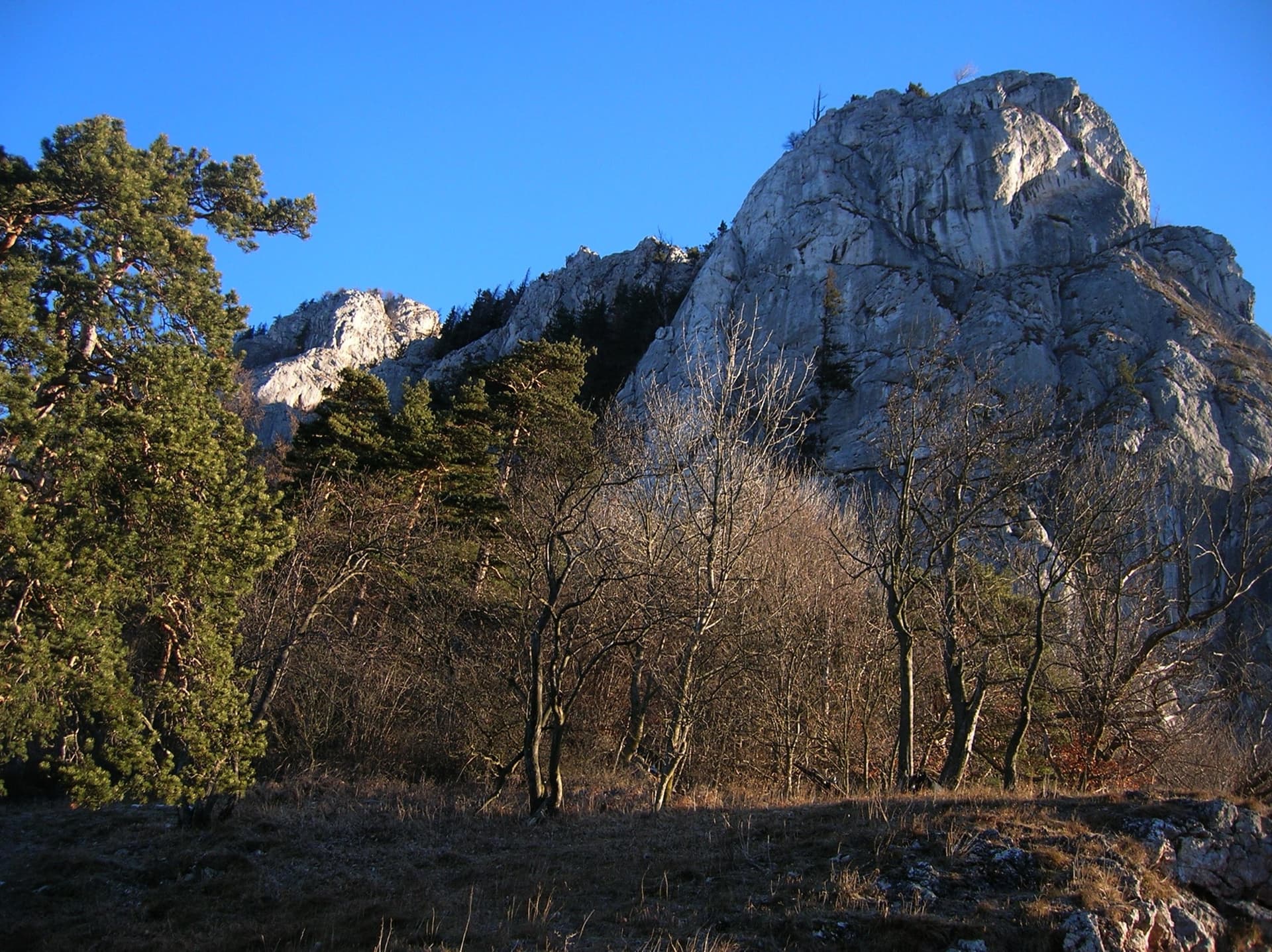
Possibly the longest route in the Grazer Bergland: sixteen pitches that start up the Ratengrat (Don Kamille) and continue up the Breite Wand (Pepperone). The lower half is among the best climbing on the Ratengrat; the upper half begins gently over slabby steps in the forest and then steepens. Two passages of UIAA 7- and several of 6+.
6b16 pitches440 m
Around 6a+ · about 10 pitches
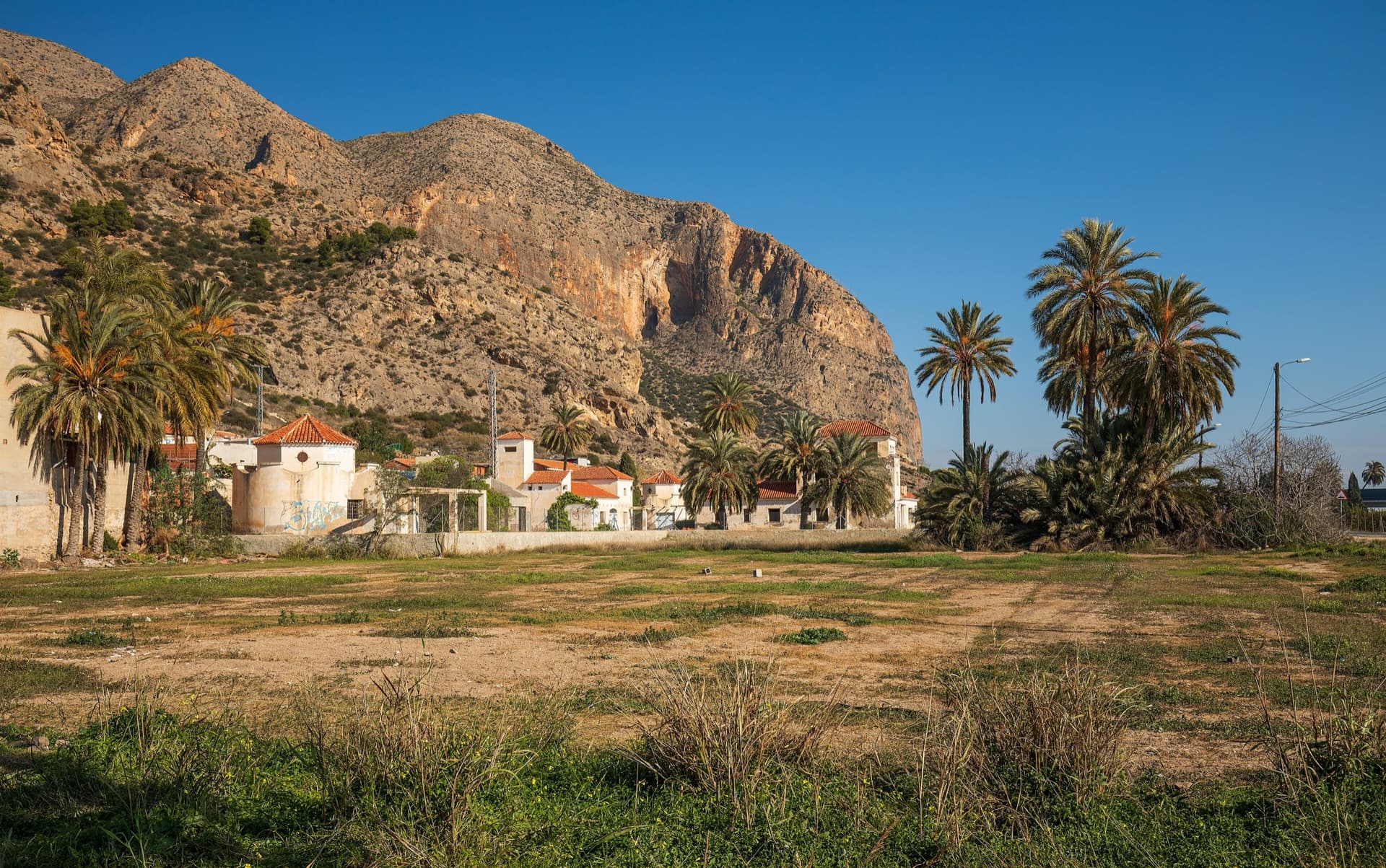
Spain · Vega Baja (Orihuela & Callosa)
The classic of Redován: ten pitches and 300 m of steady grade 5 with three steeper pitches on red rock. The eighth pitch, a traverse right into an overhanging corner above the orange cliffs, is the one people remember. Closed from January to June for nesting eagles.
6a+10 pitches300 m
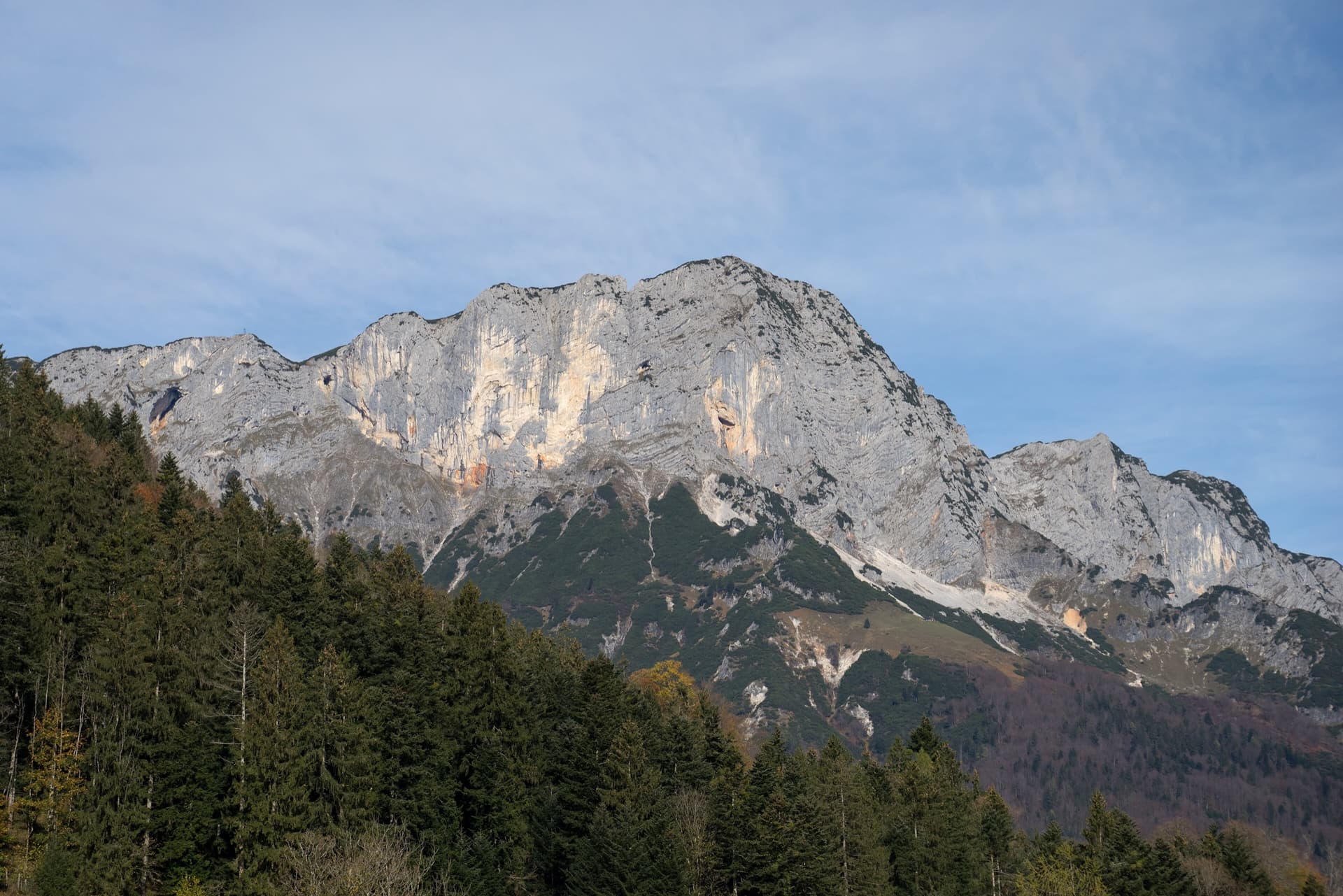
Germany · Berchtesgaden & Bad Reichenhall
A long-day alpine-flavoured plaisir route on the Untersberg's summit wall. Pitches range from UIAA 5+ to 6+ (≈5b–6b), with 5+ obligatory.
6a+10 pitches250 m
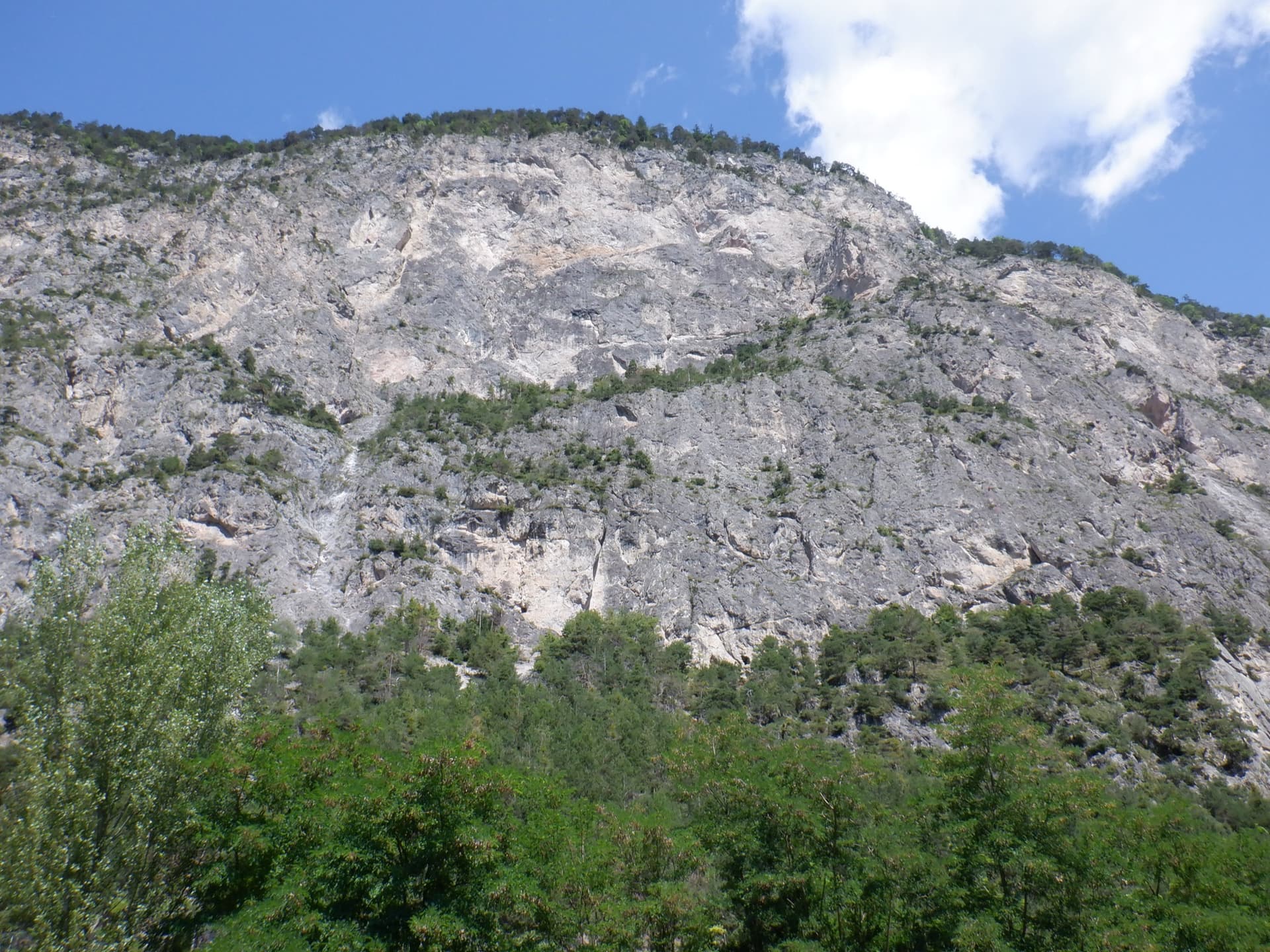
Austria · Inntal (Haiming Geierwand)
One of the longer and more popular lines on the Geierwand, at much the same grade as Alhambra but with rather better climbing. Well-featured slabs lead to the big ledge; above it the route continues to mid-height in the upper wall, where a few pitches are brittle but closely bolted. It ends in the middle of the wall and you abseil.
6a+10 pitches261 m
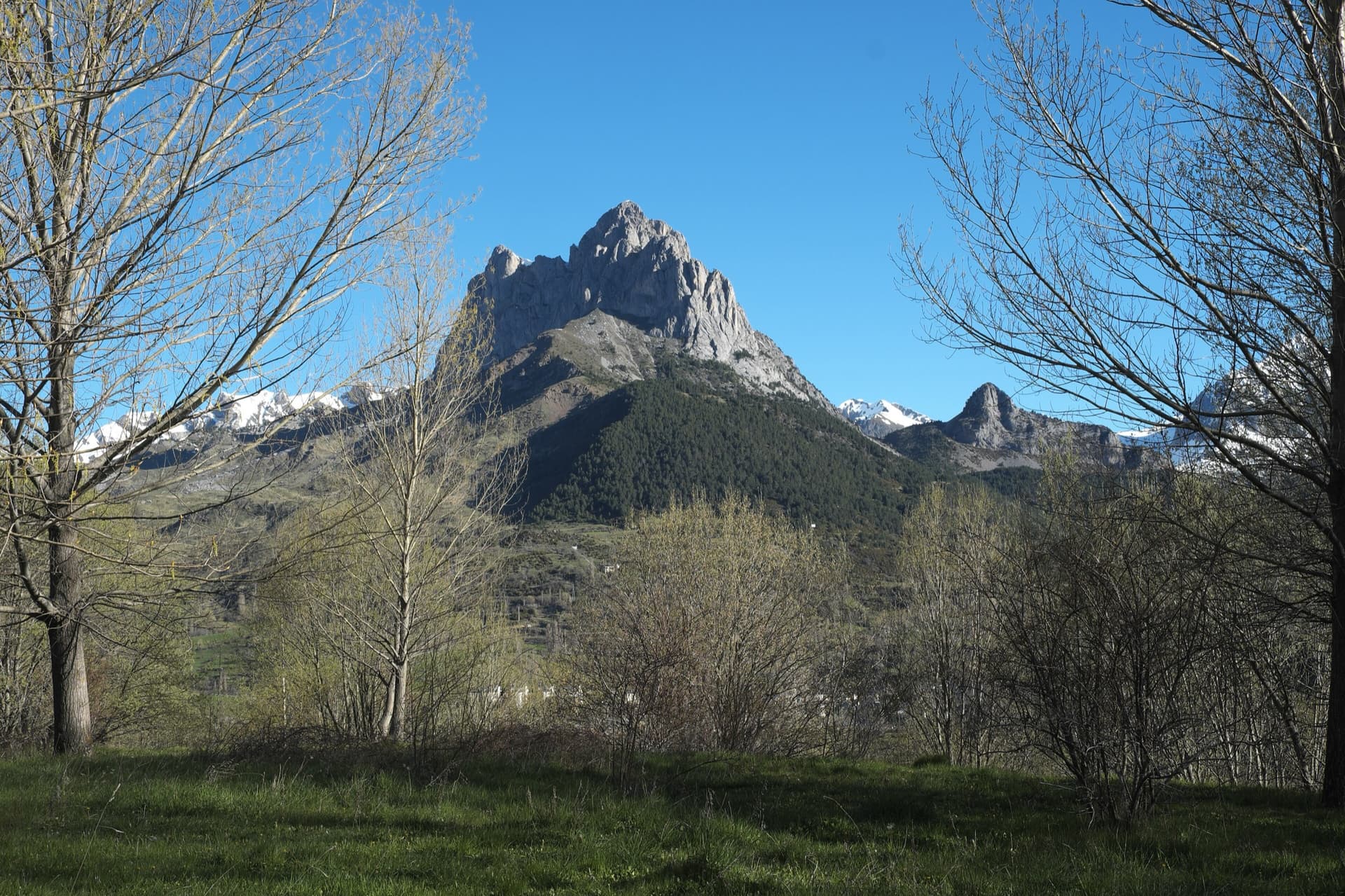
Spain · Aragonese Pyrenees (Tena & Canfranc valleys)
Varied, sustained limestone of chimneys, dihedrals and compact fluted slabs high above the Tena valley. Bearded-vulture nesting closes the face from 1 Dec to 31 Jul unless lifted early, so check montanaregulada.org.
6a+10 pitches265 m
Read the cautions
Compiled from published sources and last verified October 2026. Bolts, anchors and access change. Climbing is dangerous and you are responsible for your own decisions: check a current topo and read the disclaimer.