Multipitch Atlas

Via Infidel

Cara de Mico (La Plantació, above the Gorros) · Montserrat · Spain

Bail with caveatsBolting confidence: high

A friendly introduction to Montserrat conglomerate on a quiet needle beyond the Gorros: a steep, well-bolted wall off a big triangular block, two easy pitches, and a vertical corner with the 5c crux, which can be pulled through on the bolts. Comfortable belays and a single short abseil off the top.

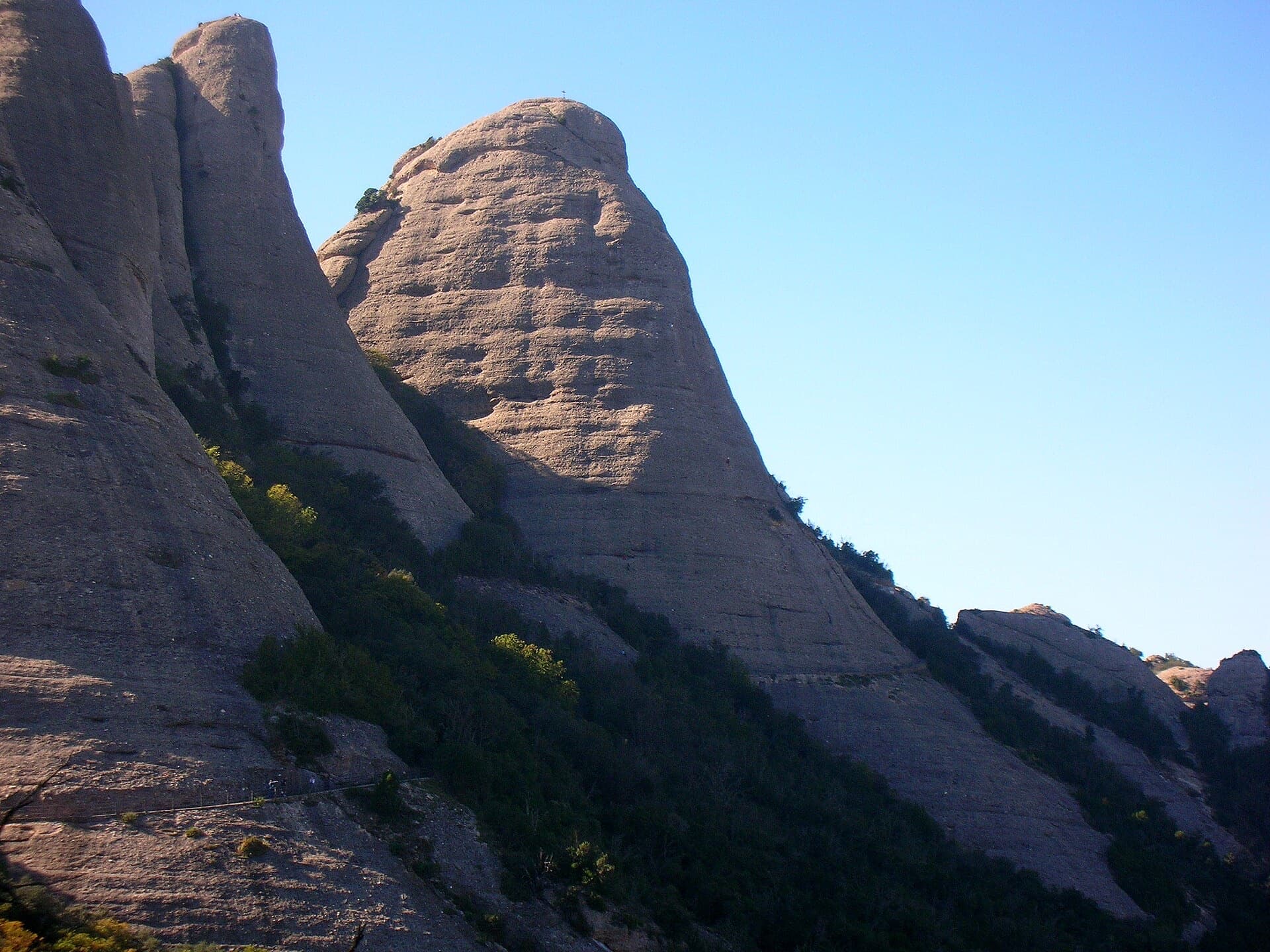
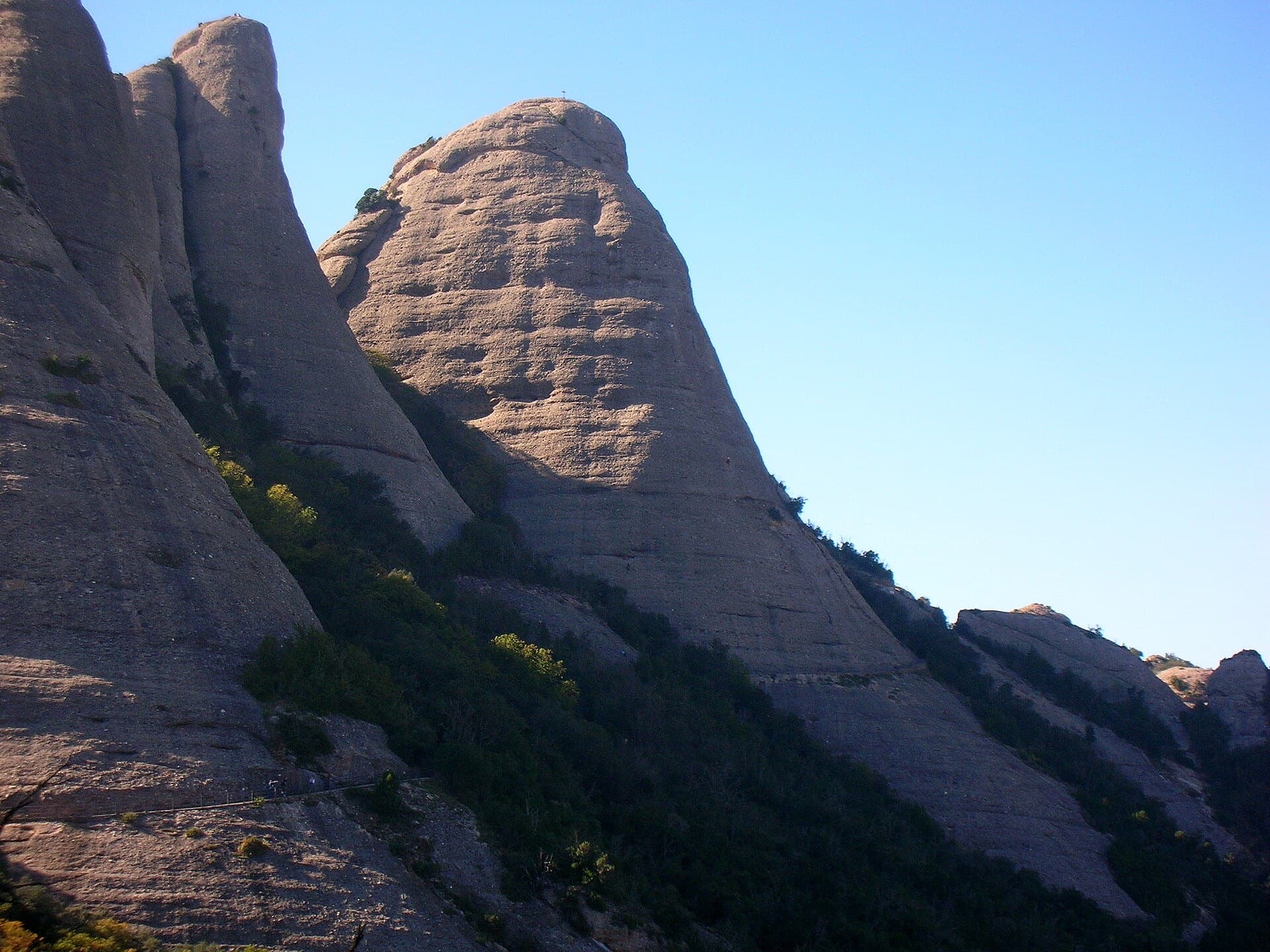
A climber on La Infidel on the Cara de Mico in April 2026, with the Montserrat needles behind.Photo: oskarmorales · CC BY-NC-ND 3.0

Photo

A climber on La Infidel on the Cara de Mico in April 2026, with the Montserrat needles behind.Photo: oskarmorales · CC BY-NC-ND 3.0
Hardest pitch
5c
Pitches
4
Length
115 m
Approach
30 min
Aspect
SW
South-west-facing
Rope
1×50 m

The route

Overview

Four pitches up the Cara de Mico, also called the Agulla de la Plantació, a needle a few minutes below the Sant Jeroni path beyond the Gorra Frígia. The route was equipped in 2011 in Guillem Arias's generous style and every source calls it well bolted. The first pitch starts steeply on excellent holds and eases; the middle pitches are easy slabs and a spur; the last pitch climbs a vertical corner with the hardest moves. A 2022 party called it perfect for a first multipitch or a first contact with Montserrat rock. Some find the middle pitches too easy to be interesting.

The climbing

Pitch by pitch

Pitches of Via Infidel
PitchGradeLengthBoltsNotes
P15c35 m11 boltsClimb onto the block and up a short, fairly thin wall (5b/5c) with close bolts. The angle then eases and the bolts are further apart to the belay. The Spanish-language camptocamp page and a 2011 blog give 5a or IV+.
P23c30 m7 boltsAn easy transition pitch trending left, with few bolts and no difficulty.
P34b25 m6 boltsA slightly steeper spur to a belay below a bulge. The rock is less good here. Other sources give 4c and 20 m.
P45c35 m13 boltsTraverse left following the bolts to a vertical corner (5b) that pushes you out at first; the crux is 5c or A0. A small sloping arete and an easy little corner lead to the abseil belay on top.

Getting there

Approach

To the parking

Montserrat monastery, reached by road from Monistrol (BP-1121) or by FGC train from Barcelona (Manresa line) connecting with the rack railway or the cable car. Camptocamp suggests parking just above the hairpin at the monastery toll, which it describes as free, and walking up through the car parks; a 2016 party paid €6.50 for the day in the monastery car park, which fills early at weekends. The Sant Joan funicular from the monastery saves about 350 m of ascent; camptocamp quotes €15 return and €9.50 one way for its upper section.

On foot · about 30 min

About 30 minutes from the top station of the Sant Joan funicular, or about 1 hour on foot from the monastery by the Plaça de Santa Anna and the PR C-19. Follow the Sant Jeroni path (Camí Nou) past the foot of the Gorra Frígia and through two cuttings in the rock. After the second, about 50 m before the concrete viewpoint of the Serra de les Paparres, take a path that drops steeply left towards the Sentinella needle. Keep left and down to the base of the Plantació needle, then follow the foot of the cliff down and back up to a big triangular block. The route starts on the block; the bolts are painted yellow.

Map of the walk-in

  • Crag
  • Parking

Loading map

The point marks the crag, not the exact start of the route.

Coordinates · crag

41.59093, 1.82465

Point from camptocamp waypoint 1187372 (Cara de Mico / Plantació summit)

For your phone or watch

Download GPX

Contains the route point and parking. Opens in most mapping apps and GPS watches.

Points are compiled from published sources, with the precision stated above. They were not surveyed on the ground: check them against a current topo.

Getting down

Descent

From the summit make one abseil of about 20 m (15 m according to a 2011 blog) down the north-west side to a small col between the Cara de Mico and the Paparra. A small path leads in a few minutes back to the main Sant Jeroni trail. Return the way you came.

Retreat

Bailing off the route

Bail with caveats

No source describes retreating from part-way up. The belays are bolted and comfortable and the pitches are 20 to 35 m, so abseiling from a stance should work with a 50 m rope doubled only on the shorter pitches; the leftward traverse on pitch 4 is the awkward part. The route is short and the top is close.

Retreat from
R1 to R3 (inferred). Camptocamp mentions a second, intermediate belay half-way up pitch 3.
Point of no return
None described. The crux near the top can be aided.
Carry
A single 50 m rope will not reach on the 35 m first pitch; take 70 m or two ropes if you want a guaranteed retreat, and a maillon or two.
Basis
Inferred from the route factsSources state bolted, comfortable belays and a single abseil station on top; nothing is said about abseil rings at the intermediate belays.

Partly inferred from the route facts

Safety

Hazards

  • Bolts are further apart on the easy ground of pitches 1 and 2 than on the hard moves.
  • The rock on pitch 3 is of lower quality than the rest.
  • Finding the start: the path down from the Sant Jeroni trail is unmarked and faint, and parties in 2011 overshot it.

Sun and weather

Conditions

South to south-west facing at about 1000 m, so it is the sunny alternative when the north faces of the Gorros are wet or cold: a November 2022 party came here because the north-facing routes were in shade and a 60 km/h wind. Ascents are logged in February, March, April, September and November.

Usual season · Feb to May, Oct to Nov

Sun on the wall · SW-facing

Working out the sunlit hours for this month.

  • January: not yet worked out
  • February (usual season): not yet worked out
  • March (usual season): not yet worked out
  • April (usual season): not yet worked out
  • May (usual season): not yet worked out
  • June: not yet worked out
  • July: not yet worked out
  • August: not yet worked out
  • September: not yet worked out
  • October (usual season): not yet worked out
  • November (usual season): not yet worked out
  • December: not yet worked out

Sun on the wallDaylight, wall in shade● Usual season

Estimated from the wall's aspect only. Ignores surrounding terrain, gullies and the wall's exact shape. Clock times are local to the wall (Central European time), for the 15th of each month.

Monthly climate averages for Montserrat, 1991-2020
MeasureJanFeb (usual season)Mar (usual season)Apr (usual season)May (usual season)JunJulAugSepOct (usual season)Nov (usual season)Dec
Mean daily high °C681113172124231915107
Mean daily low °C−3−30361013141071−2
Rain days 1 mm or more667109779121076

● marks the usual climbing season. Averages for 1991-2020 at about 1072 m. Area climate from Open-Meteo reanalysis. Temperatures are adjusted to the height of the crag; rain comes from a grid cell of about 10 to 25 km, and summer highs on sea cliffs can read a few degrees low. The wall and valley can differ. Data: Open-Meteo, CC BY 4.0.

What to carry

Gear

12 to 14 quickdraws, slings and belay kit, and a 50 m rope for the abseil. Helmet.

Checklist

Quickdraws
14
Rope
1×50 m
Helmet
One each
Abseil device and prusik
The descent or the retreat involves abseiling
Maillons or spare karabiners
To leave behind if you retreat

Derived from the route data; check it against a current topo

From climbers

Reader reports

Reader reports are not being collected yet. Until they are, check a current topo and the local club or guidebook publisher for recent changes to Via Infidel.

Worth knowing

Tips

  • Escalada Virtual (6a), by the same equipper, starts just round the block; the two together took one party 2 h and 1 h 10.
  • The crux in the last corner can be passed at A0.
  • A 2026 party approached from Santa Cecília instead, by the GR and the Canal Plana to the Paparres viewpoint, in about 1 h 30, to avoid the monastery car park.

Open questions

Where sources disagree

  • Grades: the French camptocamp page gives 5c, 3c, 4b, 5c (and 6a in its rating field); the Spanish page and a 2026 blog give 5a, III, 4c, 5c; a 2011 blog found pitch 1 no harder than IV+.
  • Pitch lengths: 35, 30, 25 and 35 m (French page) against 35, 25, 20 and 30 m (Spanish page and blog, 115 m in total).
  • Bolt counts: camptocamp gives 11, 7, 6 and 13; the 2011 blog counted 10, 3, 5 and 10.
  • Quickdraws: 14 (French page) or 12 (Spanish page and blog).

Provenance

Sources

Same area

More in Montserrat

All routes in Montserrat
West side of the Gorros sector, Montserrat

Spain · Montserrat

Integral d'en Pitu i la Nuri

A modern linkup over two pinnacles on excellent conglomerate. Overhanging 6a and 6a+ walls alternate with easy 'potato-field' slabs. The new bolting makes it one of the most reassuring long lines in the massif.

6a+5 pitches185 m
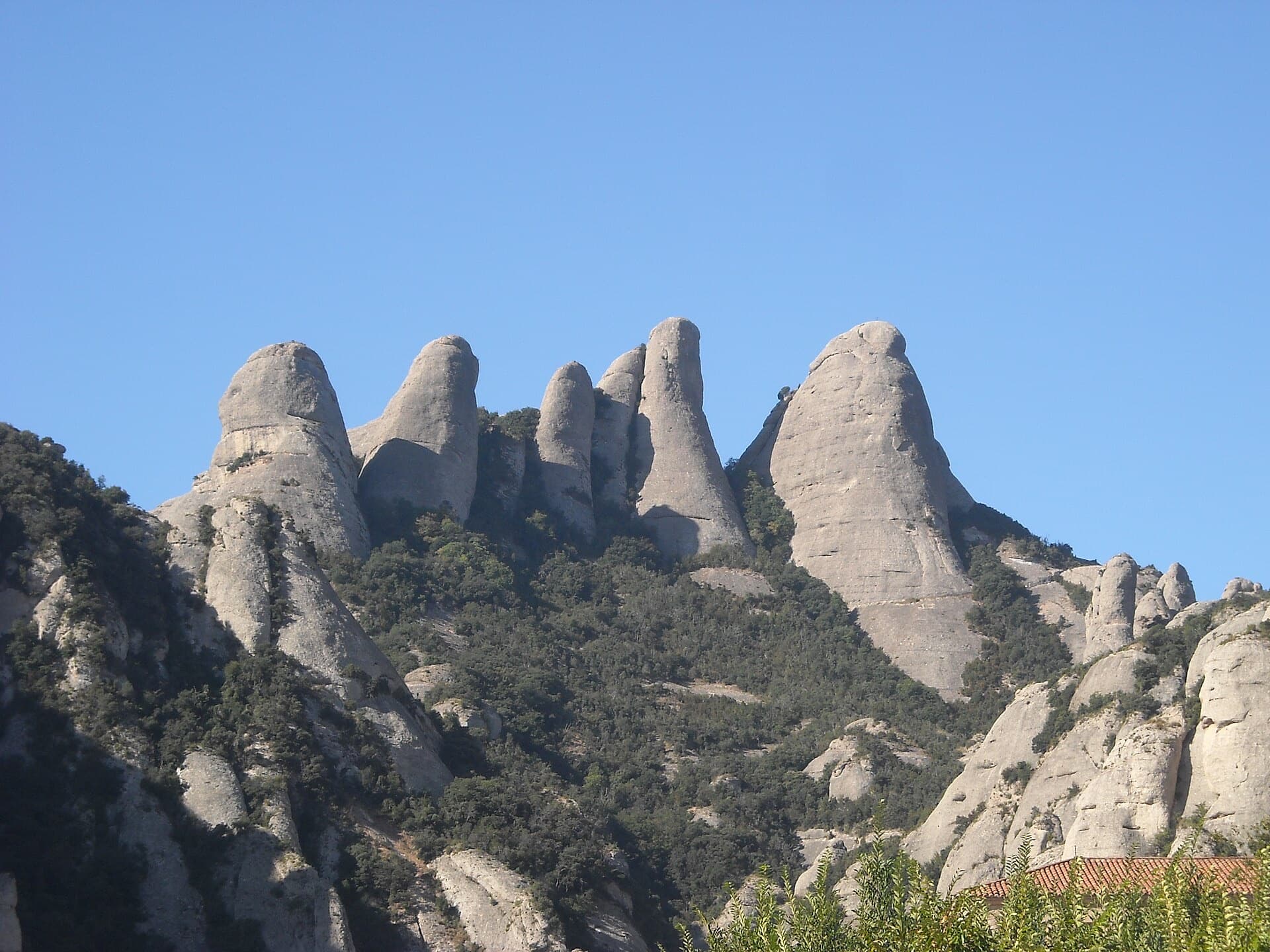
The Gorros of Montserrat from the monastery side: left to right the Gorra Marinera, the Magdalenes and the Gorra Frígia. Via Sargantanes climbs the Gorra Marinera, the left-hand tower.

Spain · Montserrat

Via Sargantanes

A popular first Montserrat multipitch close to the monastery. Steep pebble walls at 5b are split by easy slabs, finishing on an airy summit cap.

5b6 pitches145 m

Read the cautions

The Gorra Frígia, the Phrygian-cap tower of the Gorros, seen from the Camí Nou de Sant Jeroni, which passes the foot of its north-east side where Via del Carles starts. The line itself is not marked.

Spain · Montserrat

Via del Carles

A straightforward line up the 'Phrygian cap' visible from the monastery. Only the short vertical step on pitch 3 is sustained. It is a good route for learning Montserrat pebble technique and has a summit cross with a big view. The approach takes about 10 min from the Sant Joan funicular top.

5c5 pitches140 m

The Gorra Frígia seen from the Camí Nou de Sant Jeroni on the northern side of the Gorros, Montserrat. Via Stromberg climbs the north face; the line is not marked.

Spain · Montserrat

Via Stromberg

A shady north-face outing that suits warm days. Steady 5c pebble climbing leads to a short overhang crux (6a, or 5c/A0) and the summit cross.

6a4 pitches120 m

Around 5c · about 4 pitches

Similar elsewhere

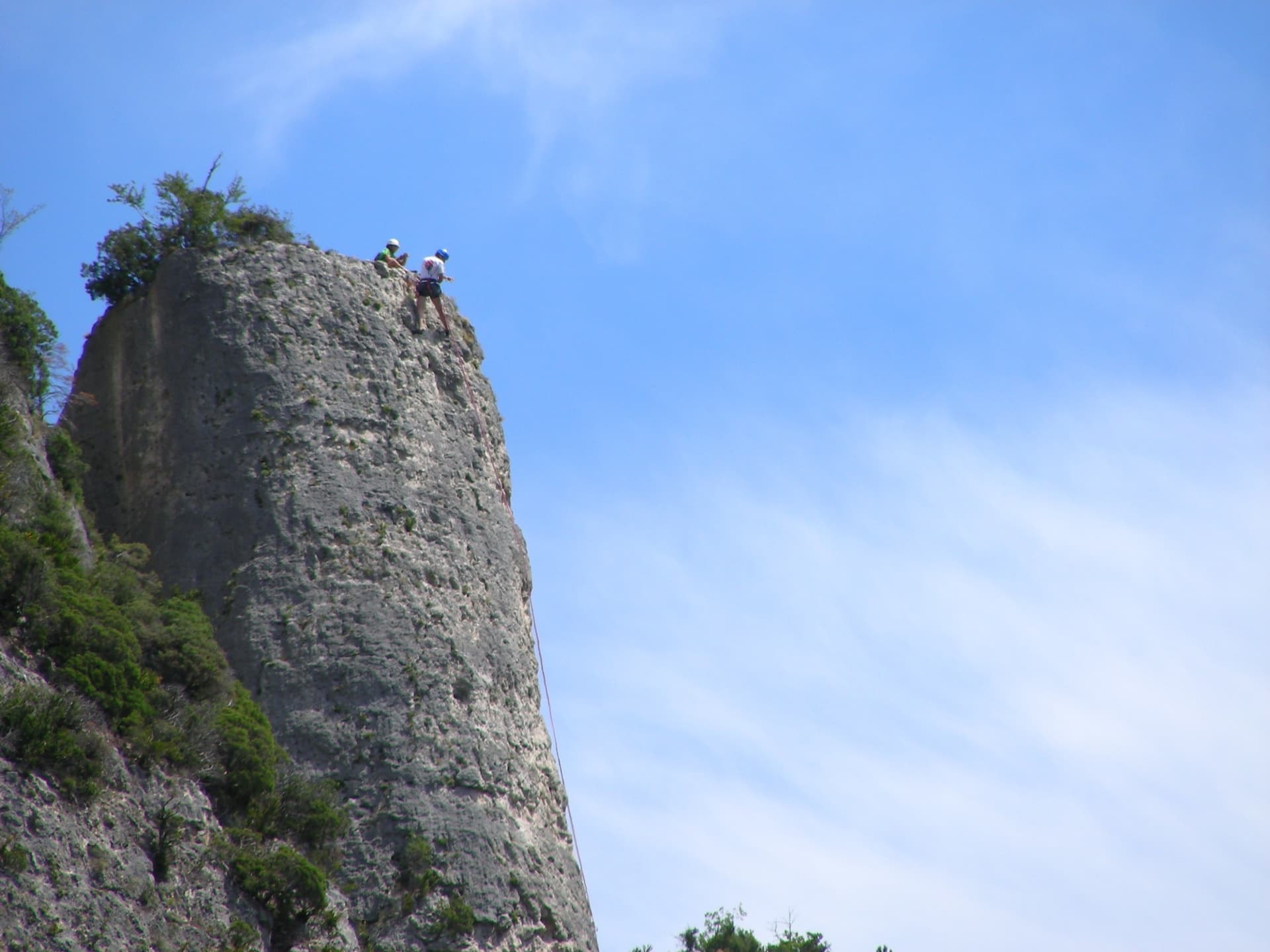
Climbers on the flat summit of the Bitard pillar, Gorges de la Jonte

France · Gorges de la Jonte

Le Bitard

The pillar that gives the sector its name, climbed in four short pitches on grey, well-featured rock. The third pitch is a sustained vertical crack and the best of the route. It is the usual first multipitch for visitors because the bolts are closer than elsewhere in the gorge.

5c4 pitches100 m

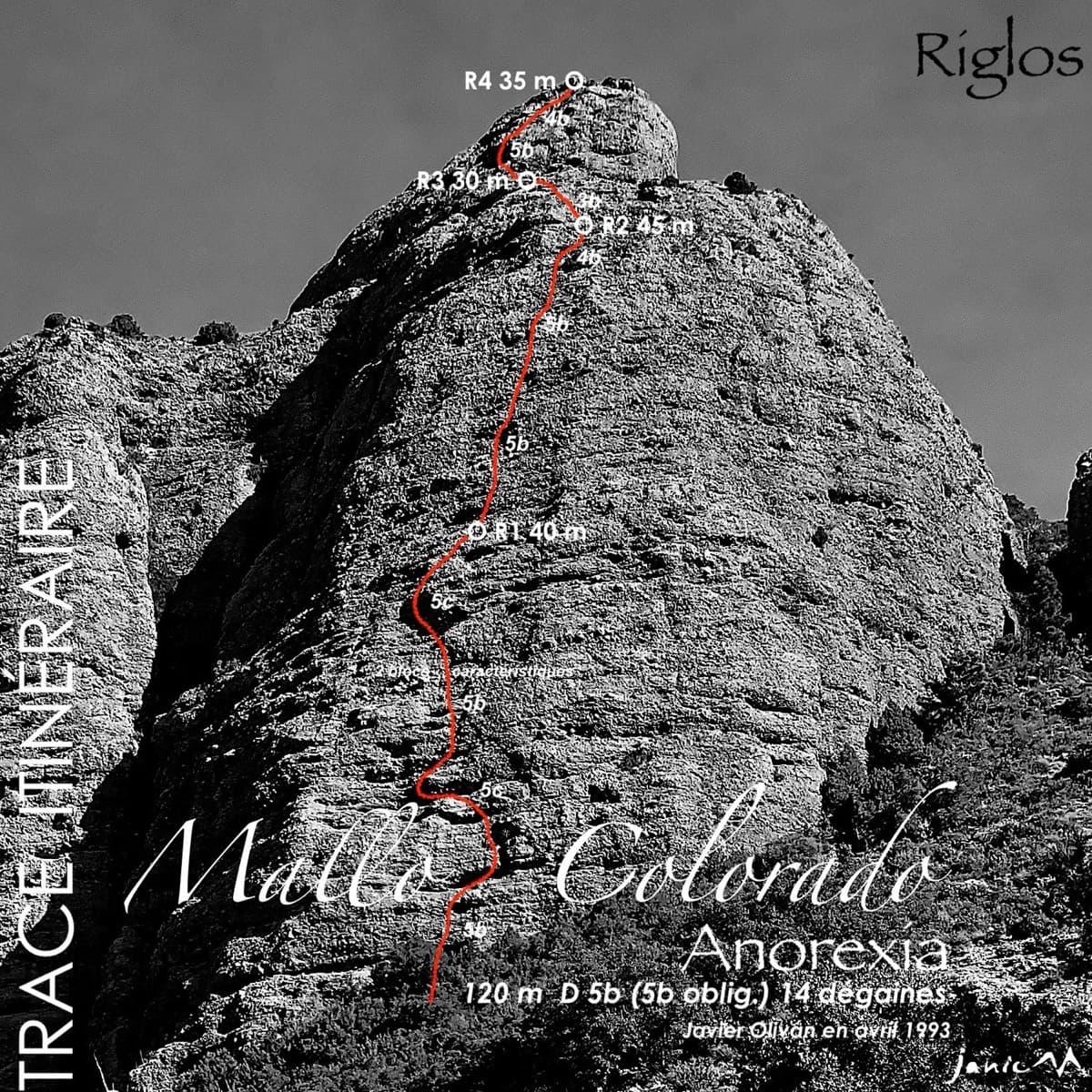
Topo of Anorexia on Mallo Colorado, Riglos

Spain · Riglos & Agüero (Mallos)

Anorexia

The best-known route on the Mallo Colorado. Two steep, juggy panza pitches have a well-protected boulder move, giving a short taste of real Riglos steepness at a friendly grade.

5c4 pitches150 m

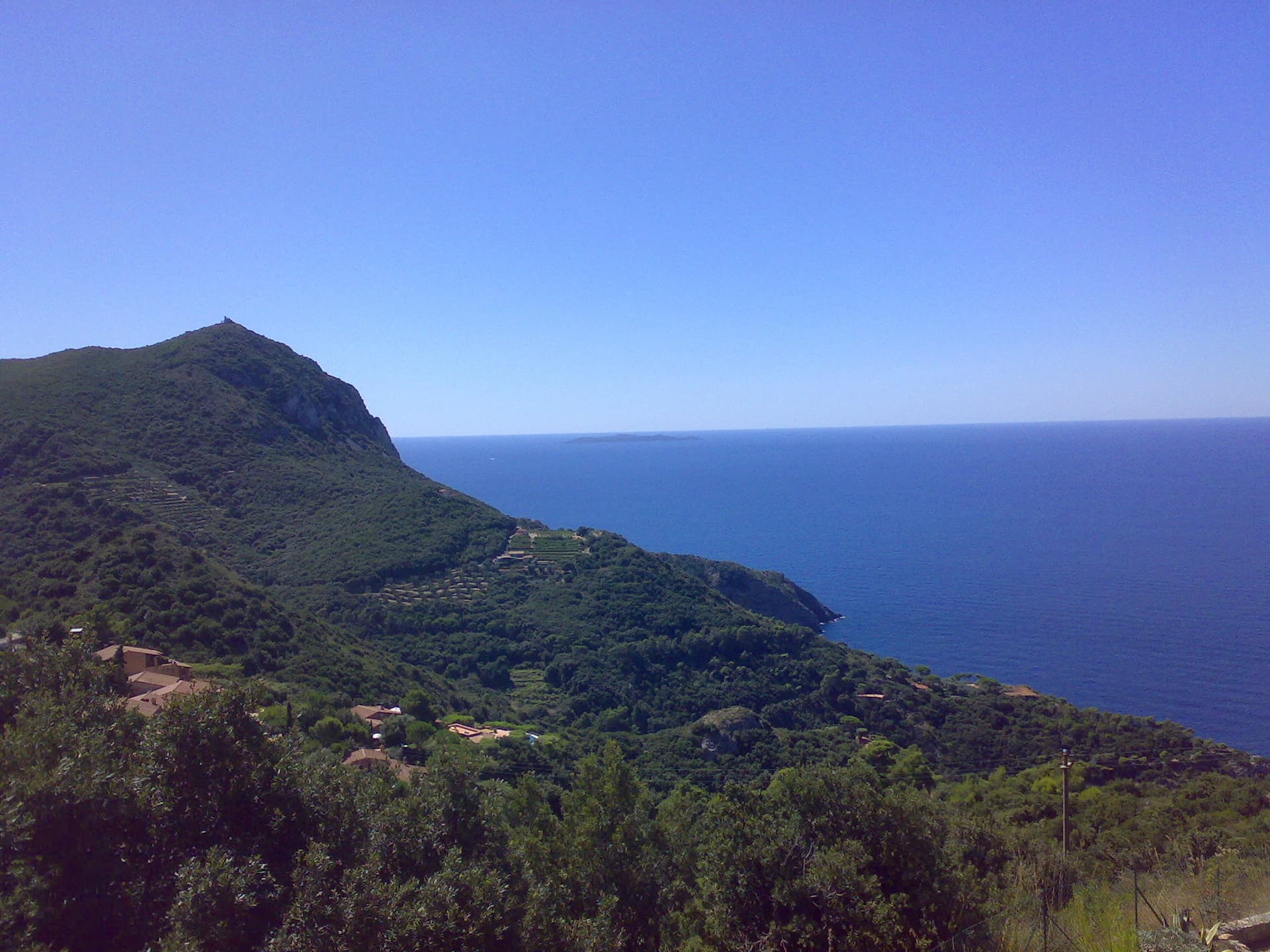
The headland of Capo d'Uomo on Monte Argentario with its watchtower on top, and the island of Giannutri on the horizon. The multipitch wall drops towards the sea below the tower; the routes are not visible in this view.

Italy · Monte Argentario

Maria Mare

Four pitches on the sea-facing wall of Capo d'Uomo: a featured slab, an easy linking pitch, and two vertical, athletic pitches on sculpted grey limestone to the crest below the old watchtower. The final wall is the highlight. The lower pitches need care with holds.

5c4 pitches110 m

Read the cautions

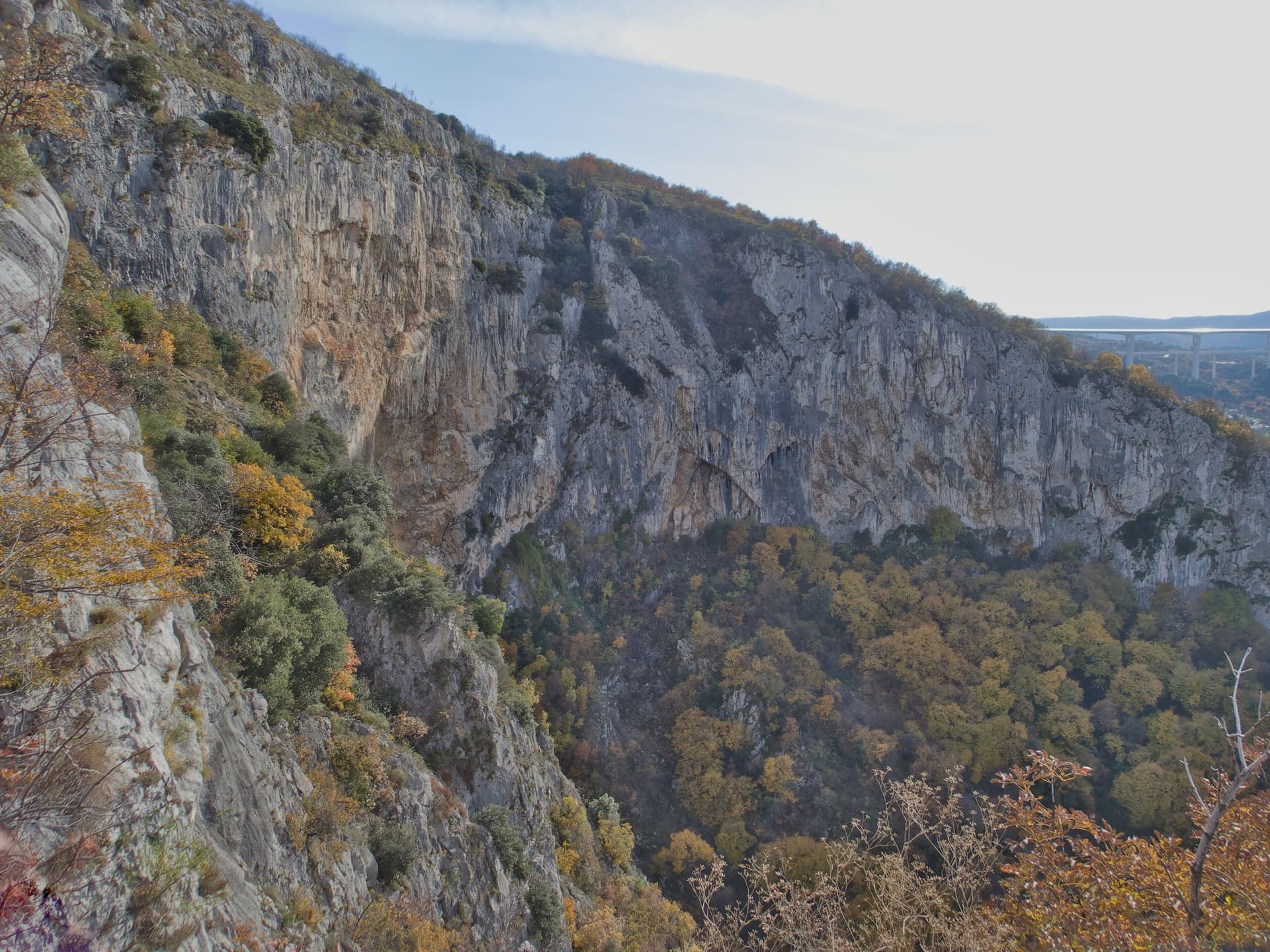
The Velika stena, the big wall of the Osp collapse doline, seen along its length from the rim in autumn; Medo is on the right side of this wall.

Slovenia · Osp

Medo

The easiest line on Osp's famous overhanging Big Wall, following an obvious right-slanting ramp, the only non-overhanging part of the face. It is in shade until about 11:30 in July.

5c4 pitches110 m

Read the cautions

Compiled from published sources and last verified October 2026. Bolts, anchors and access change. Climbing is dangerous and you are responsible for your own decisions: check a current topo and read the disclaimer.