France · Ailefroide
Palavar-les-Flots
Ailefroide's best-known easy long route: a consistent run of 4th-grade slab and pillar climbing with two harder steps (5b+ on L4, a 5c friction move on L8). It is very popular, so start early.
5c12 pitches310 m
La Draye · Ailefroide · France
Bail with caveatsBolting confidence: high
A direct 200 m line up the black wall of the Draye, mixing friction slabs with athletic cracks. The 7a pitch is short: a reachy boulder move, an airy traverse under big overhangs and a fine thin crack. It is in the shade all morning.
The route
Draye way star lies between Premier de Corvée and Mescal on the main Draye wall, minutes from the village. It shares the first pitch and a half with Premier de Corvée as far as a big slanting ledge, then goes straight up: a black slab, a wall below a large overhang, the 7a traverse and crack, and a long 6c that ends on a demanding slab. The pitches are short, so it is quick for its grade and makes a good half day. Recent parties rate it highly and stress how well it is bolted, but also report a few loose blocks on pitch 6 and one that came off pitch 7 in 2026.
The climbing
| Pitch | Grade | Length | Notes |
|---|---|---|---|
| P1 | 6a | 25 m | Shared with Premier de Corvée: a nice slab and a short juggy overhang. There are three starts (6a, 5c, or a harder bolted single pitch through the roof on the left). A 2026 party found the left-hand '6a' much harder at the small roof and avoided it 1 m to the right; another says the hard move can be aided. |
| P2 | 5c | 30 m | Friction slab, then belay at the foot of the big black slab, right of Premier de Corvée's second belay. The independent climbing starts here. |
| P3 | 6a | 25 m | Straight up the black slab; several parties give 6a+. Can be linked with pitch 4 on a 60 m rope. |
| P4 | 6b | 25 m | A short slab, then an athletic step towards a big overhang. Some vegetation and rock that needs a little care. |
| P5 | 7a | 20 m | The crux and the best pitch: a reachy boulder move off the belay to a shoulder, an airy traverse left to avoid the overhang, then straight up a thin crack with a short, classy layback. Seconds climbing 6b get up it with rests or by pulling on draws. |
| P6 | 6a | 15 m | A linking pitch on mediocre rock, first left then back right, to a belay on a bushy grass ledge. There are loose blocks under the small roof at the start; they can be avoided. |
| P7 | 6c | 35 m | A slightly overhanging athletic start with a hard mantel, an easy traverse, then a splendid and very demanding slab out of sight of the belayer. The route crosses the 5c traverse of Mescal on a ledge, where you can make an intermediate belay (one Mescal bolt plus the first bolt of the slab) to avoid rope drag. The upper half was re-routed to avoid a dangerous flake. |
| P8 | 6b | 25 m | Go left into a slanting crack and corner on good holds, then an athletic pillar. Do not follow the 5c to the right. |
Getting there
Ailefroide (1500 m) is at the head of the Vallouise valley: from Briançon go to L'Argentière-la-Bessée (railway station on the Marseille, Gap, Briançon line), then Vallouise, Pelvoux and Ailefroide. A seasonal bus runs between Briançon and the Pré de Madame Carle. The road is closed in winter at Pelvoux-les-Claux. Ailefroide has a large campsite and every route here is reached on foot from it.
A 2026 party approached from the car park just after the camper-van area: go up the scree on its right-hand side to the foot of the wall. The start is that of Premier de Corvée, whose name is on a plaque. No source gives a time; parties were back at the campsite 5 h after leaving it, including about 4 h of climbing.
Loading map
The point marks the crag, not the exact start of the route.
Parking
Ailefroide (camptocamp waypoint 106735)
Point from camptocamp waypoint 40628 (Vallée d'Ailefroide, La Draye)
Contains the route point and parking. Opens in most mapping apps and GPS watches.
Points are compiled from published sources, with the precision stated above. They were not surveyed on the ground: check them against a current topo.
Coordinates: 44.89013, 6.44828 (crag) · Parking: 44.88434, 6.45069
Getting down
On foot: from the top, join the Draye path, which descends south-east and quickly brings you back below the wall; recent parties call it easy. Abseiling is possible in three abseils of 59 m: from the top belay go down the groove at the left corner of the platform for a few metres to two bolts with a maillon (there is also a big larch with old cord), abseil to belay 5, then to belay 2, then to the ground. Other combinations on the route's belays are possible but slower.
Retreat
Bail with caveats
Camptocamp describes abseiling from the top in three 59 m abseils via belays 5 and 2, and says other combinations on the route's belays work but are less convenient. No party reports actually retreating. With shorter ropes you would have to use every belay and may need to leave maillons.
Partly inferred from the route facts
Safety
Sun and weather
West facing: in the shade in the morning (one early-July party stayed in shade to the top), then very hot once the sun reaches the upper pitches. The slabs need dry rock.
Sun on the wall · W-facing
Working out the sunlit hours for this month.
Sun on the wallDaylight, wall in shade● Usual season
Estimated from the wall's aspect only. Ignores surrounding terrain, gullies and the wall's exact shape. Clock times are local to the wall (Central European time), for the 15th of each month.
| Measure | Jan | Feb | Mar | Apr | May | Jun (usual season) | Jul (usual season) | Aug (usual season) | Sep (usual season) | Oct | Nov | Dec |
|---|---|---|---|---|---|---|---|---|---|---|---|---|
| Mean daily high °C | −0 | 1 | 5 | 7 | 12 | 18 | 21 | 22 | 17 | 12 | 5 | 0 |
| Mean daily low °C | −7 | −7 | −4 | −0 | 3 | 8 | 11 | 11 | 7 | 3 | −3 | −6 |
| Rain days 1 mm or more | 11 | 10 | 11 | 12 | 14 | 17 | 15 | 13 | 12 | 11 | 12 | 12 |
● marks the usual climbing season. Averages for 1991-2020 at about 1496 m. Area climate from Open-Meteo reanalysis. Temperatures are adjusted to the height of the crag; rain comes from a grid cell of about 10 to 25 km, and summer highs on sea cliffs can read a few degrees low. The wall and valley can differ. Data: Open-Meteo, CC BY 4.0.
What to carry
15 quickdraws; about 18 if you link pitches 3 and 4 or want to clip everything on pitch 7, plus a few extenders. Sources do not state a rope length; the pitches are 15 to 35 m and the normal descent is on foot. Helmet.
Derived from the route data; check it against a current topo
From climbers
Reader reports are not being collected yet. Until they are, check a current topo and the local club or guidebook publisher for recent changes to Draye way star.
Worth knowing
Open questions
Provenance
Same area
France · Ailefroide
Ailefroide's best-known easy long route: a consistent run of 4th-grade slab and pillar climbing with two harder steps (5b+ on L4, a 5c friction move on L8). It is very popular, so start early.
5c12 pitches310 m
France · Ailefroide
A long, sunny outing up a series of granite steps, consistently in the 5th grade, finishing with a great view over La Draye. Grassy ramps separate the tiers, so the climbing never feels exposed.
5c14 pitches450 m
France · Ailefroide
One of the best-known slab routes at Ailefroide: eleven pitches up the big inclined plane on the foothills of the Pelvoux, directly above the village. The style never changes, slab from bottom to top, mostly 5b with two pitches of 5c. The approach gully, damaged by a rockfall in 2013, is the serious part of the day.
5c11 pitches300 m
Read the cautions
France · Ailefroide
The beginners' multipitch of Ailefroide: seven short pitches of easy-angled granite slab with two steeper steps, bolted close enough for a first lead. It is very popular, so the belays have been doubled. The descent ends with a spectacular 50 m free-hanging abseil.
5b7 pitches200 m
Around 7a · about 8 pitches
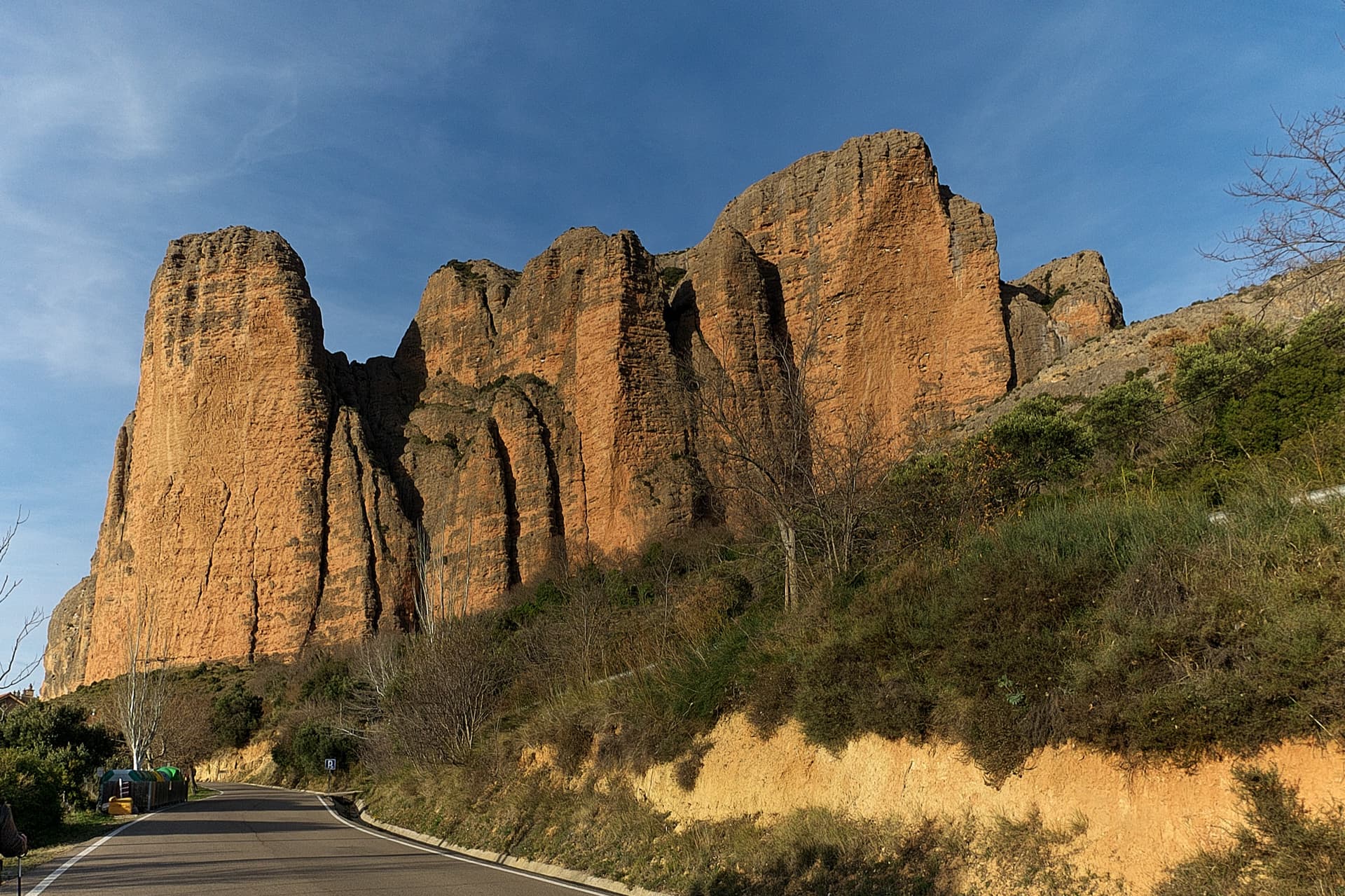
Spain · Riglos & Agüero (Mallos)
The famous overhanging line up the left side of the Visera, following the white chalk stripe you can see from the village. A polished, technical 7a pitch low down, then five pitches of ever steeper climbing on huge cobbles where the difficulty is staying un-pumped. Bolts are sound but spaced, and above the third belay the only practical way off is the top.
7a8 pitches250 m
Read the cautionsCommitting
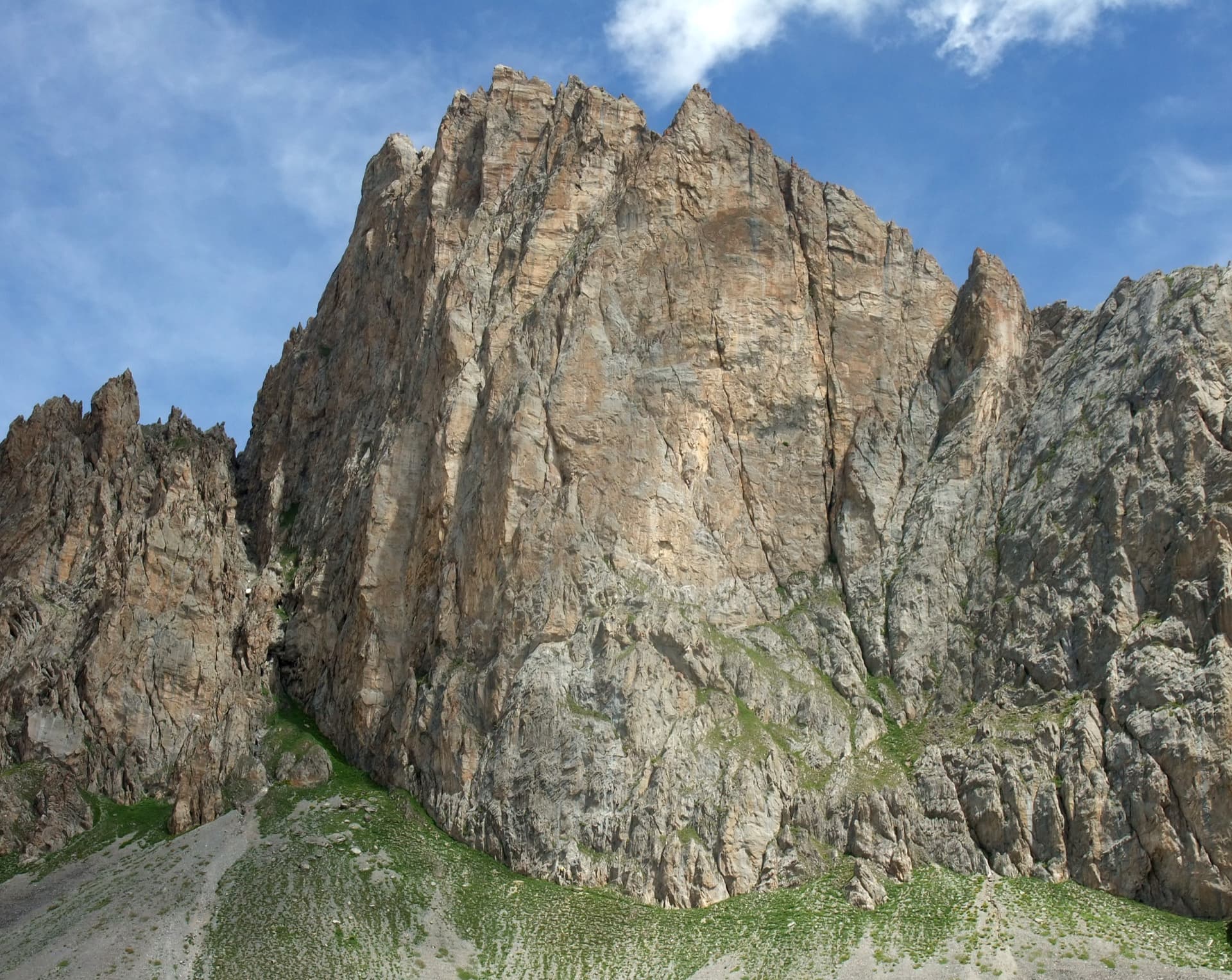
France · Cerces
Eight sustained pitches at 6b to 6c up a steep 250 m west face in the northern Cerces, on rough, pocketed grey and red limestone. One bouldery 7a bulge on the second pitch breaks the rhythm and can be pulled through; the rest is technical wall climbing with a wide crack, a water-pocket traverse and a layback up an arête. Widely rated among the best routes of the massif, and a good choice in a heatwave.
7a8 pitches250 m
Read the cautions
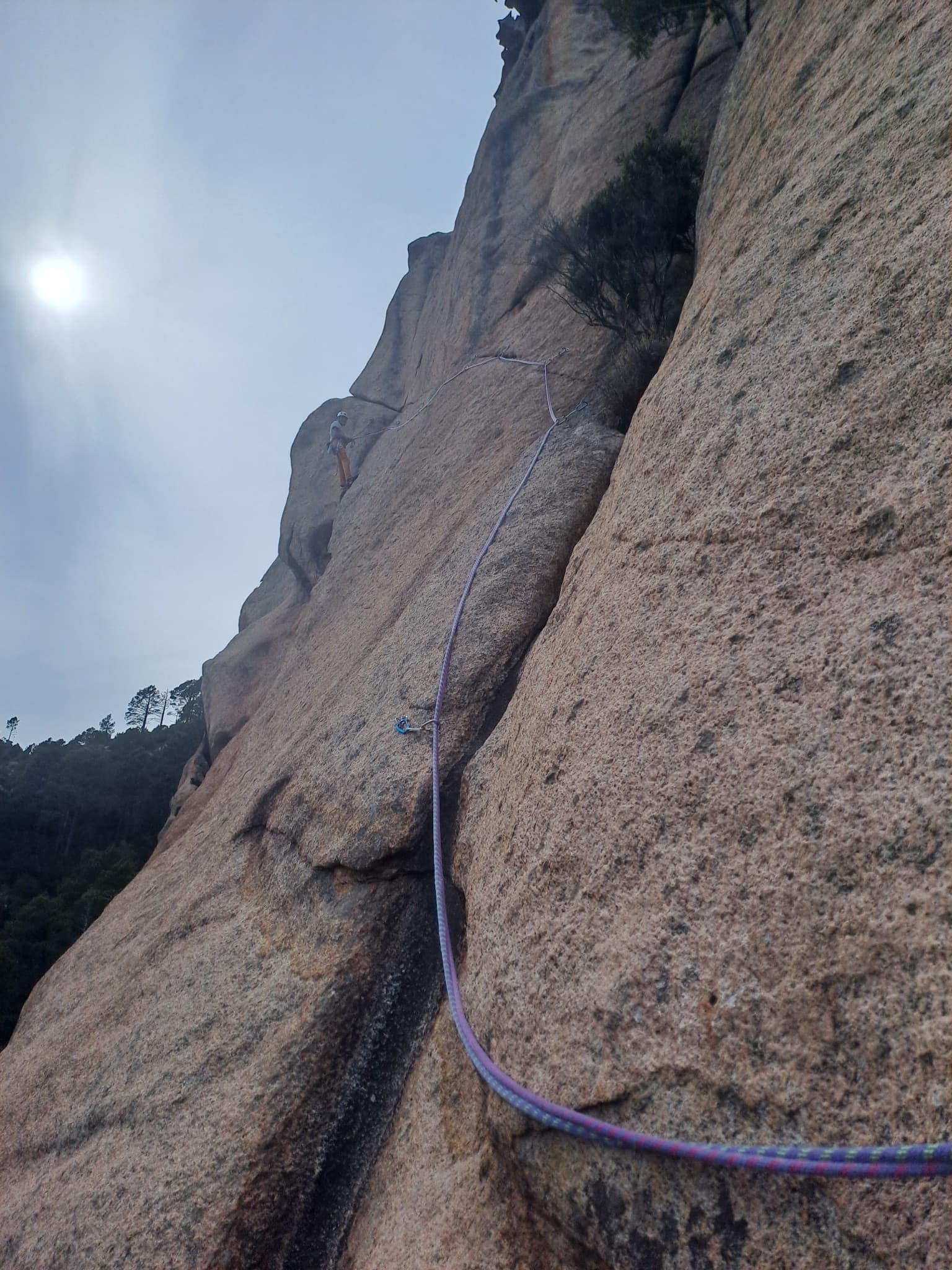
France · Bavella
The harder companion to Alexandra on the same orange buttress: eight pitches that swing between holdless friction moves and romps up enormous tafoni, with many traverses, a rounded wide crack, a delicate 6c pillar and a very thin 7a traverse that is closely bolted and can be avoided by a 6a crack. Freshly rebolted and among the best sport routes in the massif at its grade.
7a8 pitches220 m
Committing
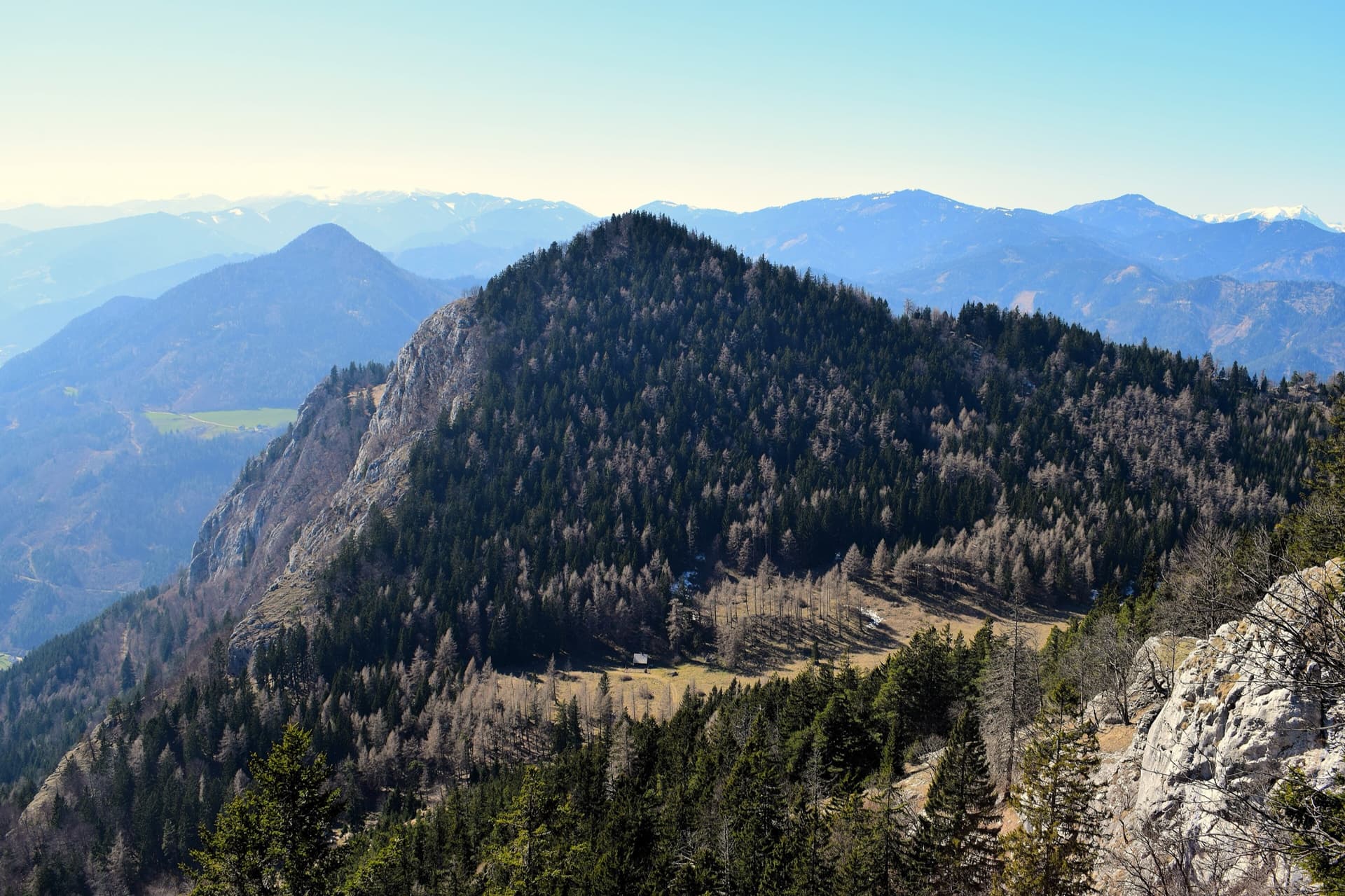
Austria · Grazer Bergland
Technical slab climbing up the central slab shield of the Röthelstein's south-east spur, getting better the higher you go. The hardest moves are UIAA 8- and about 6+/7- is obligatory, so this is the hard option on the spur, but the bolts are stainless and close together.
7a8 pitches230 m
Compiled from published sources and last verified October 2026. Bolts, anchors and access change. Climbing is dangerous and you are responsible for your own decisions: check a current topo and read the disclaimer.