.jpg)
France · Ariège Pyrenees
Pink Floyd
Consistent, low-angled slab climbing on compact granite, with 10 pitches of 5a–5b+ on the big east face. Above all it is a long, sunny-morning moderate.
5b+10 pitches400 m
Read the cautions
Dent d'Orlu – Le Pujol · Ariège Pyrenees · France
Easy to bailBolting confidence: high
A short multipitch on the sculpted granite dome below the Dent d'Orlu, and a change from the big slabs above: a friction slab, a surprisingly vertical wall, a steep 6a corner and crack that finishes with a thin traverse, and a long slab to the top.
The route
The Pujol is a 200 m dome of very clean, featured granite at the foot of the Dent d'Orlu, with 24 routes of three to five pitches around 5c to 6a, all bolted by Gérard Pouliquen. L'Aquelho Morto is the route that gives the dome its full local name and one of its best. Four real pitches lead to a short easy fifth onto the top terrace. The third pitch is the crux, a steep technical corner and crack that is sustained for its length. The approach is far shorter than for the Dent and the descent is by abseil, so two routes in a day is common.
The climbing
| Pitch | Grade | Length | Notes |
|---|---|---|---|
| P1 | 5b | 25 m | Take the left-hand line of bolts and climb straight up a friction slab on small positive holds. Belay in a small garden. |
| P2 | 5c | 25 m | Bolt lines to right or left: a wall that is unexpectedly vertical for Orlu, weaving between two slabs on good, varied holds. Belay on a well-marked ledge. |
| P3 | 6a | 25 m | The crux: a very steep corner to start, then a clean crack slanting left. Technical and sustained, it ends with a thin traverse above the last bolt just when the belay comes into view. The variation Esplendido (6b) leaves the corner at once to the left. |
| P4 | 5c | 35 m | A long slab straight above; CAFMA grades it 5c+. |
| P5 | 3b | 15 m | A few more metres onto the top terrace. Some parties skip it. |
Getting there
From Toulouse or Foix follow the N20 towards Andorra to Ax-les-Thermes, then the D22 to Orlu. Pass the village and, at the Forges d'Orlu, turn left onto the road to the national reserve and the Pont du Bisp. In July and August a shuttle runs from Ax-les-Thermes to Orlu. Follow the Pont du Bisp road for 1.5 km beyond the Forges d'Orlu to a level stretch directly below the dome, and park on the left where two grassy verges follow one another, by a small old quarry (7 to 8 cars).
CAFMA gives 15 to 20 min; recent parties took 30 to 45 min, some of it searching. Walk back to the lower end of the first grass verge, where a cairn in the grass marks a good track into the beech forest. It is marked with cairns and single red dots: do not follow the red lines painted on trees. It runs level across a chaos of blocks, to a big block with a wooden platform, then climbs a vague gully straight up through the forest, passes the first rocks on the left and traverses above them. It arrives at the foot of the route, which is marked by two studs with nuts but no hangers; two lines of bolts start here. If you reach a stream bed you have gone too far.
Loading map
The point marks the crag, not the exact start of the route.
Point from camptocamp waypoint 778142 (Dent d'Orlu, Le Pujol)
Contains the route point. Opens in most mapping apps and GPS watches.
Points are compiled from published sources, with the precision stated above. They were not surveyed on the ground: check them against a current topo.
Coordinates: 42.68958, 1.92444 (crag)
Getting down
By abseil down the route, from belays of two unlinked ring bolts. A 2024 party made four abseils; a 2023 party notes that the second belay can probably be skipped with 50 m ropes. The neighbouring La Basero is descended by this line in three abseils from belays 5, 3 and 1 with 50 m ropes. Then the approach path.
Retreat
Easy to bail
Abseiling the route is the normal descent and every belay is two ring bolts. CAFMA states that all routes on the dome are equipped for abseil descent.
Safety
Sun and weather
South to south-west facing between 1200 and 1400 m. The sun arrives from about 10:30, so the route is in shade for a morning ascent. CAFMA gives March to November as the season; a party climbed it in sunshine in late February. The rock was dry in June 2023 despite heavy recent rain. There is more lichen than on the Dent.
Sun on the wall · SW-facing
Working out the sunlit hours for this month.
Sun on the wallDaylight, wall in shade● Usual season
Estimated from the wall's aspect only. Ignores surrounding terrain, gullies and the wall's exact shape. Clock times are local to the wall (Central European time), for the 15th of each month.
| Measure | Jan | Feb | Mar | Apr (usual season) | May (usual season) | Jun (usual season) | Jul | Aug | Sep (usual season) | Oct (usual season) | Nov | Dec |
|---|---|---|---|---|---|---|---|---|---|---|---|---|
| Mean daily high °C | 2 | 2 | 5 | 8 | 12 | 16 | 19 | 19 | 15 | 12 | 6 | 3 |
| Mean daily low °C | −6 | −6 | −4 | −1 | 3 | 7 | 9 | 9 | 6 | 3 | −2 | −5 |
| Rain days 1 mm or more | 11 | 12 | 12 | 15 | 18 | 17 | 17 | 17 | 13 | 12 | 12 | 11 |
● marks the usual climbing season. Averages for 1991-2020 at about 1785 m. Area climate from Open-Meteo reanalysis. Temperatures are adjusted to the height of the crag; rain comes from a grid cell of about 10 to 25 km, and summer highs on sea cliffs can read a few degrees low. The wall and valley can differ. Data: Open-Meteo, CC BY 4.0.
What to carry
CAFMA gives a 90 m abseil rope and up to 14 quickdraws for the sector; 2×50 m ropes are what parties use. Slings to link the belay rings. Helmet.
Derived from the route data; check it against a current topo
From climbers
Reader reports are not being collected yet. Until they are, check a current topo and the local club or guidebook publisher for recent changes to L'Aquelho Morto.
Worth knowing
Open questions
Provenance
Same area
France · Ariège Pyrenees
Consistent, low-angled slab climbing on compact granite, with 10 pitches of 5a–5b+ on the big east face. Above all it is a long, sunny-morning moderate.
5b+10 pitches400 m
Read the cautions
France · Ariège Pyrenees
The hard classic of the Calamès pillars above Bédeilhac: technical slabs, a well-bolted roof and a sustained 6c wall, capped by a short 7a slab pitch after a walk across a garden. Compact rock and close bolts make it a good place to try harder grades on a multipitch. The middle pitch is vegetated.
7a5 pitches180 m
France · Ariège Pyrenees
The friendliest introduction to the granite slabs of the Dent d'Orlu: six pitches of friction climbing with a few steeper steps, shorter and better bolted than the face's big classics. It is the route to do when the weather is unsure or the longer lines are out of reach.
5c6 pitches230 m
France · Ariège Pyrenees
The finest line on the big grey slabs of the Peppermint sector, a notch harder than Peppermint itself. A reachy 6b+ move and a chimney-corner start the day; a ledge splits the wall; the two pitches above it, a corner and a thin, sustained 6b slab, are the highlight.
6b+8 pitches280 m
Around 6a · about 5 pitches
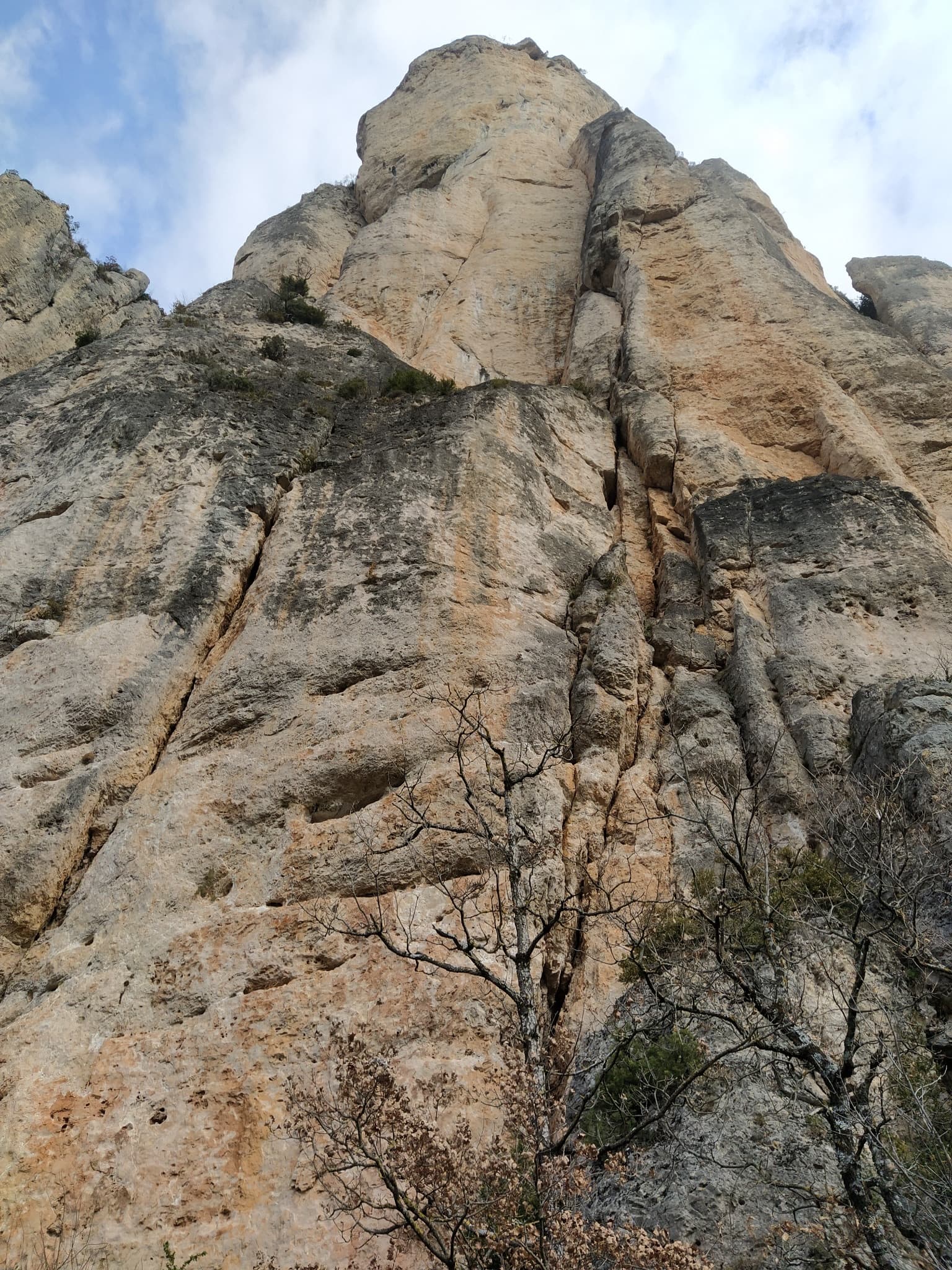
France · Gorges de la Jonte
Five pitches beside the Fusée monolith, built around a superb 35 to 40 m corner that ends under a big roof and escapes left across a wildly exposed but easy traverse. Rebolted in 2012 and better protected than most routes here. Rated a must at the grade by several recent parties.
6a5 pitches120 m
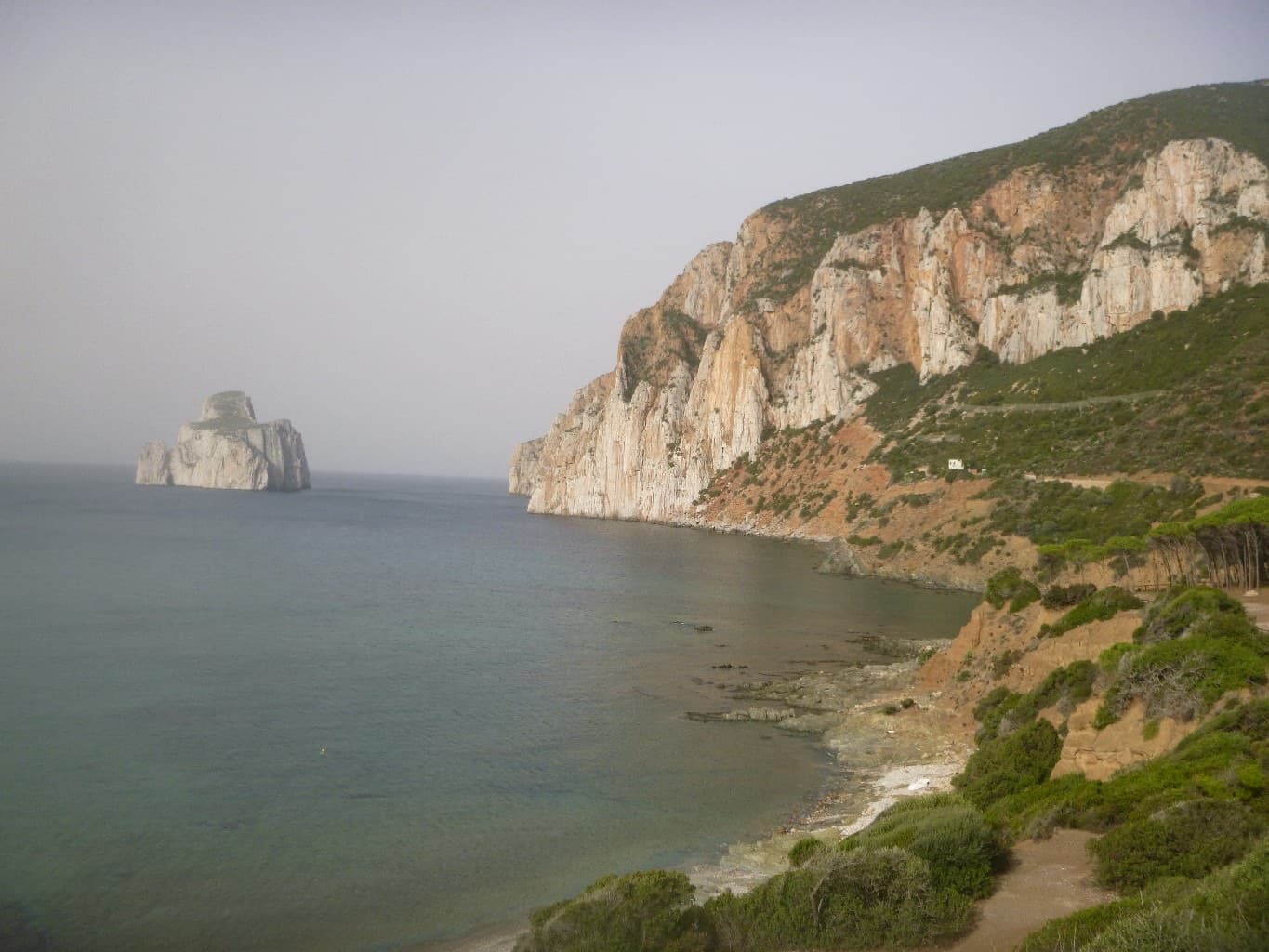
Italy · Sardinia
An easy line up the edge of the tall sea cliff beside Porto Flavia, starting a few metres above the water. The lower half is broken and unremarkable; the upper arête and slab are on superb, very abrasive grey limestone with a view of the Pan di Zucchero stack. Almost plaisir, in a serious place.
6a5 pitches160 m
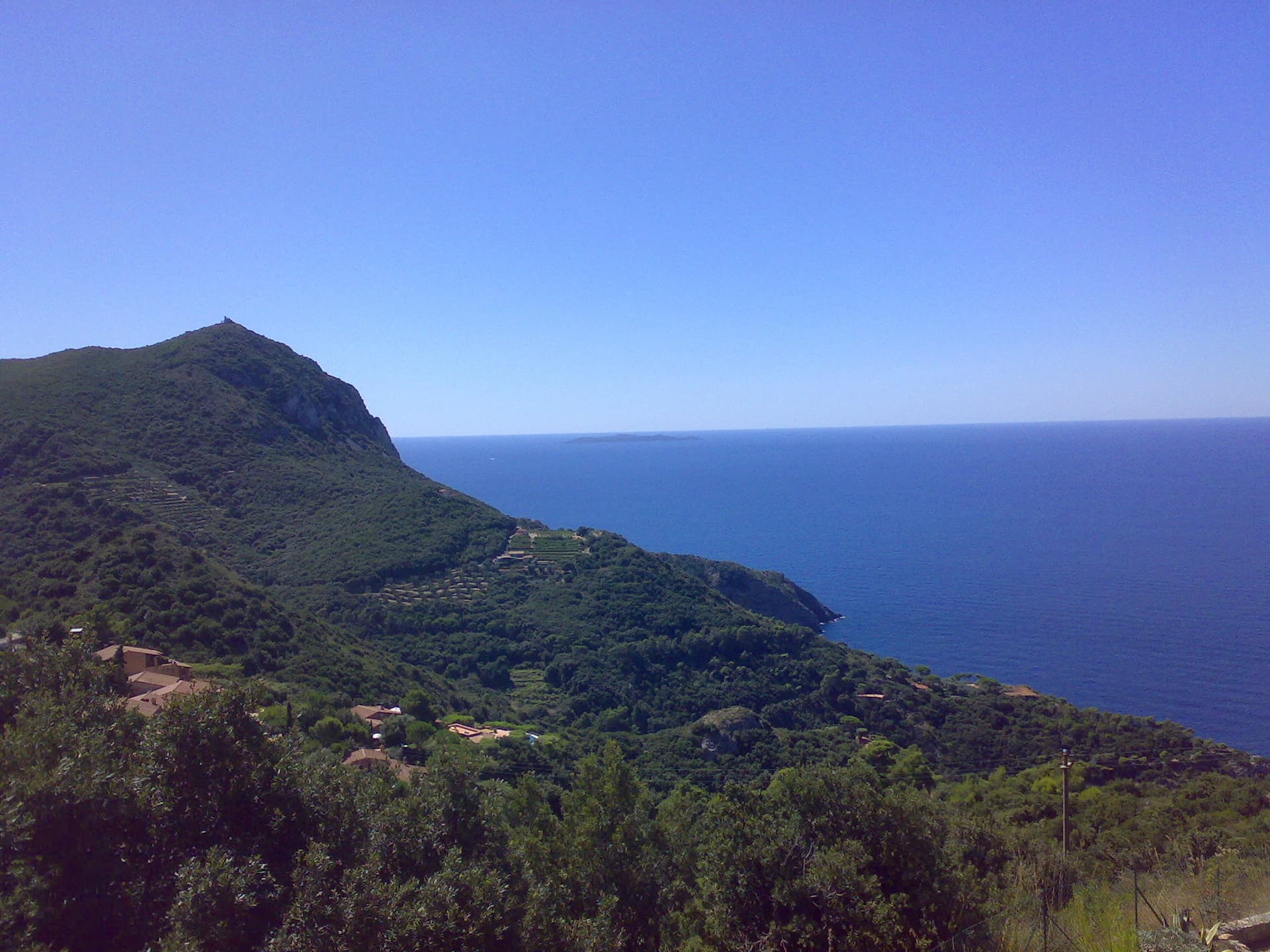
Italy · Monte Argentario
Three independent pitches on the wall below Capo d'Uomo, ending with a memorable 40 m wall of pockets, drips and flowstone at 6a. The route proper stops on the arête; the opener suggests carrying on up the last two pitches of the Spigolo Bonatti, an exposed 5c traverse and an easy ridge, to finish at the tower.
6a5 pitches200 m
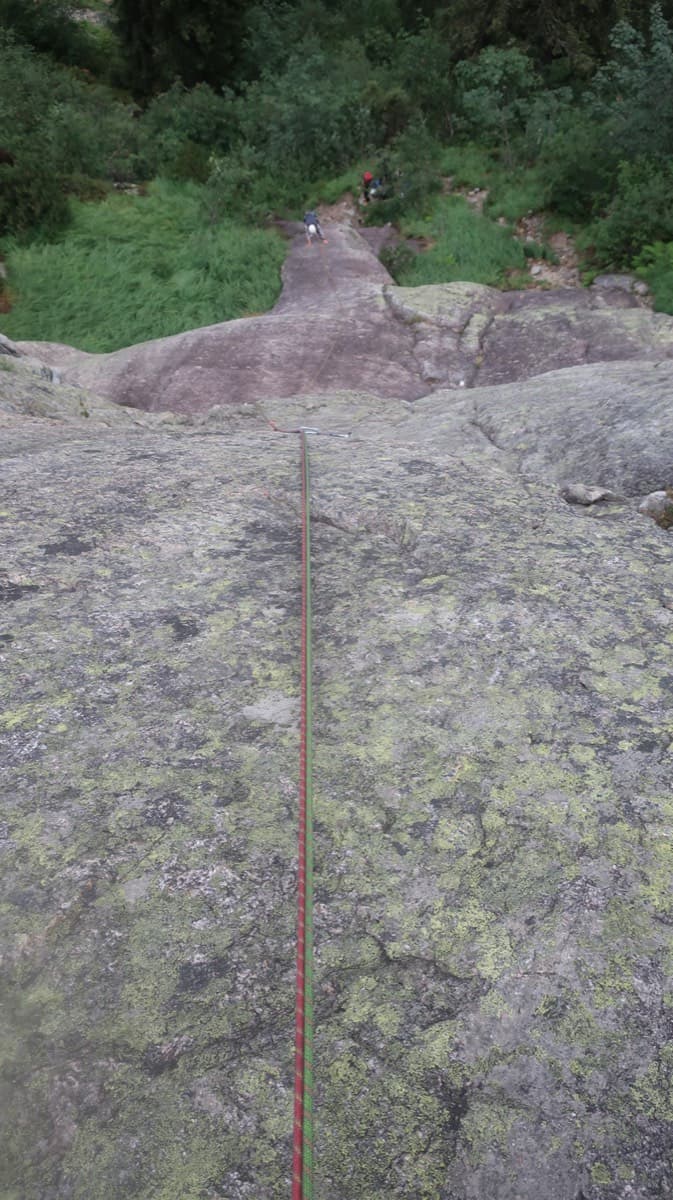
Switzerland · Grimsel
A short, varied granite route up a pale, smooth pillar across the valley from the Handegg slabs: a corner crack, then friction and edge slabs that get harder pitch by pitch. Grades are stiff, and the last pitch is sustained and tricky. A good half day or uncertain-weather route with a 15-minute approach.
6a5 pitches200 m
Compiled from published sources and last verified October 2026. Bolts, anchors and access change. Climbing is dangerous and you are responsible for your own decisions: check a current topo and read the disclaimer.