
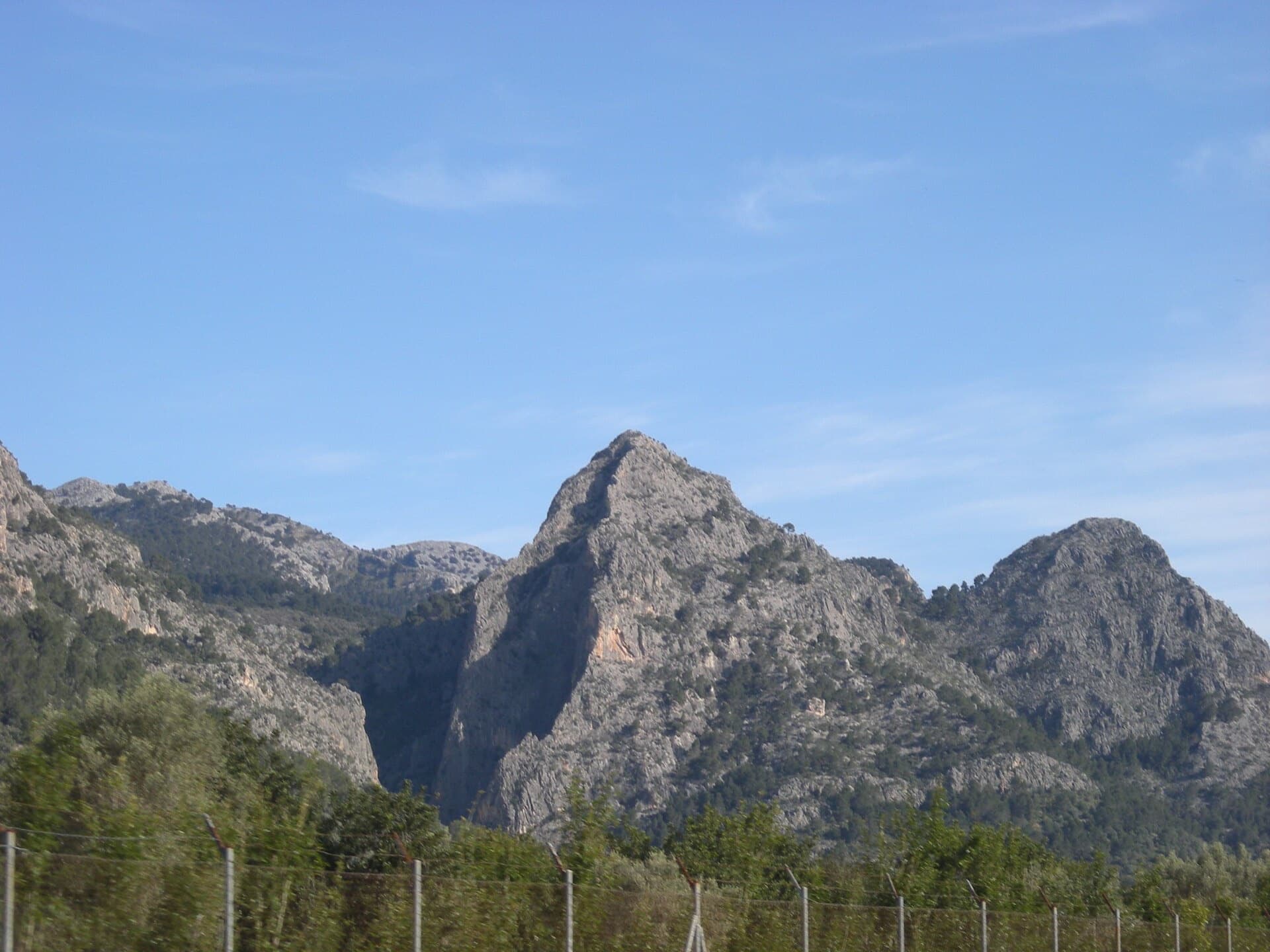
Spain · Mallorca (Sa Gubia)
Via Llum de Lluna
Technical, sustained wall climbing on positive holds up the left side of the Princesa wall, ending in a memorable powerful finish.
6b5 pitches216 m
Read the cautions
Sa Gubia – Bomberos wall (Sector Polla Boba) · Mallorca (Sa Gubia) · Spain
Read the cautionsBail with caveatsBolting confidence: medium
A big line up the full height of the Bomberos wall: a 40 m tufa pitch that is a popular climb in its own right, easy broken ground, a steeper 6a, and a long, steep, technical 6b+ wall to finish. The top pitch cannot be aided past its crux, so this is a route for a solid 6b+ leader.
Bolted but serious: obligatory 6b+, pitches of up to 45 m, a worn lower-off on pitch 1 and guidebook lengths that are wrong.
The route
Mongol Express climbs the Bomberos wall of the Sa Gubia amphitheatre to a belay below the Albahida ridge. Foracorda describes five pitches and 205 m including an easy exit along the normal route; the bolted climbing is the first four pitches, about 155 m. The first pitch climbs between two tufas and is often done on its own; easier starts up the neighbouring Méjico Lindo or Mami Blu are possible. The guidebook pitch lengths have been reported as badly wrong, so plan for pitches of 35 to 45 m. The opener's own note gives 6b+ obligatory.
The climbing
| Pitch | Grade | Length | Notes |
|---|---|---|---|
| P1 | 6b | 40 m | The left-hand line to a scoop (possible belay after about 15 m of 4+), then between the two tufas to the high lower-off. Ignore the half-way lower-off. The pitch is 40 m or more. Alternative starts: Méjico Lindo (6a+), Mami Blu (6b) or Oasis (6b+). |
| P2 | 5 | 30 m | Easy broken ground to another belay. Rockfax gives 5b. |
| P3 | 6a | 40 m | A slightly steeper section. |
| P4 | 6b+ | 45 m | A steep, technical wall to the top belay; the hard climbing is obligatory. |
Getting there
From Palma drive north on the Ma-11 towards Sóller. Shortly after the junction where the Ma-2010 leaves for Bunyola there is a large car park by a restaurant, the usual parking for Sa Gubia. Mountain Project reports regular car break-ins: leave nothing in the car.
About 45 minutes from the car. Cross the road, walk back past the roundabout and take the small road that leaves the Ma-2010 past houses. The tarmac turns to dirt; just after a house with stables a dry stream bed crosses the track. Turn right up it and follow the cairns. Right-hand forks lead in turn to the Silicona, Excalibur, Isla Bonita, Princesa and Bomberos sectors, then Albahida. Go to the far, left-hand wall of the amphitheatre (Bomberos, Polla Boba sector). The first pitch takes the left-hand line of bolts to a scoop and on between two tufas; Méjico Lindo (6a+), Mami Blu (6b) and Oasis (6b+) are the neighbouring starts that lead to the same belay.
Loading map
The point marks the crag, not the exact start of the route.
Point from Mountain Project sector point (Bomberos, Sa Gubia), about 70 m from camptocamp waypoint 820495
Contains the route point. Opens in most mapping apps and GPS watches.
Points are compiled from published sources, with the precision stated above. They were not surveyed on the ground: check them against a current topo.
Coordinates: 39.69454, 2.67318 (crag)
Getting down
From the top belay abseil the route in three long abseils (Rockfax). Alternatively continue: follow about three bolts for some 15 m to the Albahida normal route and climb it to the top (grade 4, about 52 m, on your own protection), then walk down by the summit and the track to Can Penasso.
Retreat
Bail with caveats
Abseiling the route is a normal descent, in three long abseils from the top belay, so you can also retreat from the lower stances. It needs two ropes: the pitches are 30 to 45 m and a single 70 m rope does not reach the ground even from the top of pitch 1.
Partly inferred from the route facts
Safety
Sun and weather
No source gives the aspect or sun hours for this wall. The amphitheatre is enclosed and the sun arrives late; Sa Gubia is climbed from autumn to spring.
Sun on the wall
No estimate: the wall's aspect is not recorded for this route.
| Measure | Jan (usual season) | Feb (usual season) | Mar (usual season) | Apr (usual season) | May (usual season) | Jun | Jul | Aug | Sep | Oct (usual season) | Nov (usual season) | Dec (usual season) |
|---|---|---|---|---|---|---|---|---|---|---|---|---|
| Mean daily high °C | 12 | 12 | 14 | 17 | 21 | 25 | 28 | 29 | 24 | 20 | 15 | 13 |
| Mean daily low °C | 7 | 7 | 8 | 10 | 14 | 17 | 20 | 21 | 18 | 15 | 11 | 8 |
| Rain days 1 mm or more | 7 | 7 | 6 | 6 | 5 | 3 | 2 | 3 | 7 | 9 | 9 | 8 |
● marks the usual climbing season. Averages for 1991-2020 at about 400 m. Area climate from Open-Meteo reanalysis. Temperatures are adjusted to the height of the crag; rain comes from a grid cell of about 10 to 25 km, and summer highs on sea cliffs can read a few degrees low. The wall and valley can differ. Data: Open-Meteo, CC BY 4.0.
What to carry
Quickdraws for pitches of up to 45 m, and two ropes of at least 50 m for the abseils. Helmet. If you intend to exit by Albahida, a few slings and nuts.
Derived from the route data; check it against a current topo
From climbers
Reader reports are not being collected yet. Until they are, check a current topo and the local club or guidebook publisher for recent changes to Mongol Express.
Worth knowing
Open questions
Provenance
Same area
Spain · Mallorca (Sa Gubia)
Technical, sustained wall climbing on positive holds up the left side of the Princesa wall, ending in a memorable powerful finish.
6b5 pitches216 m
Read the cautions
Spain · Mallorca (Sa Gubia)
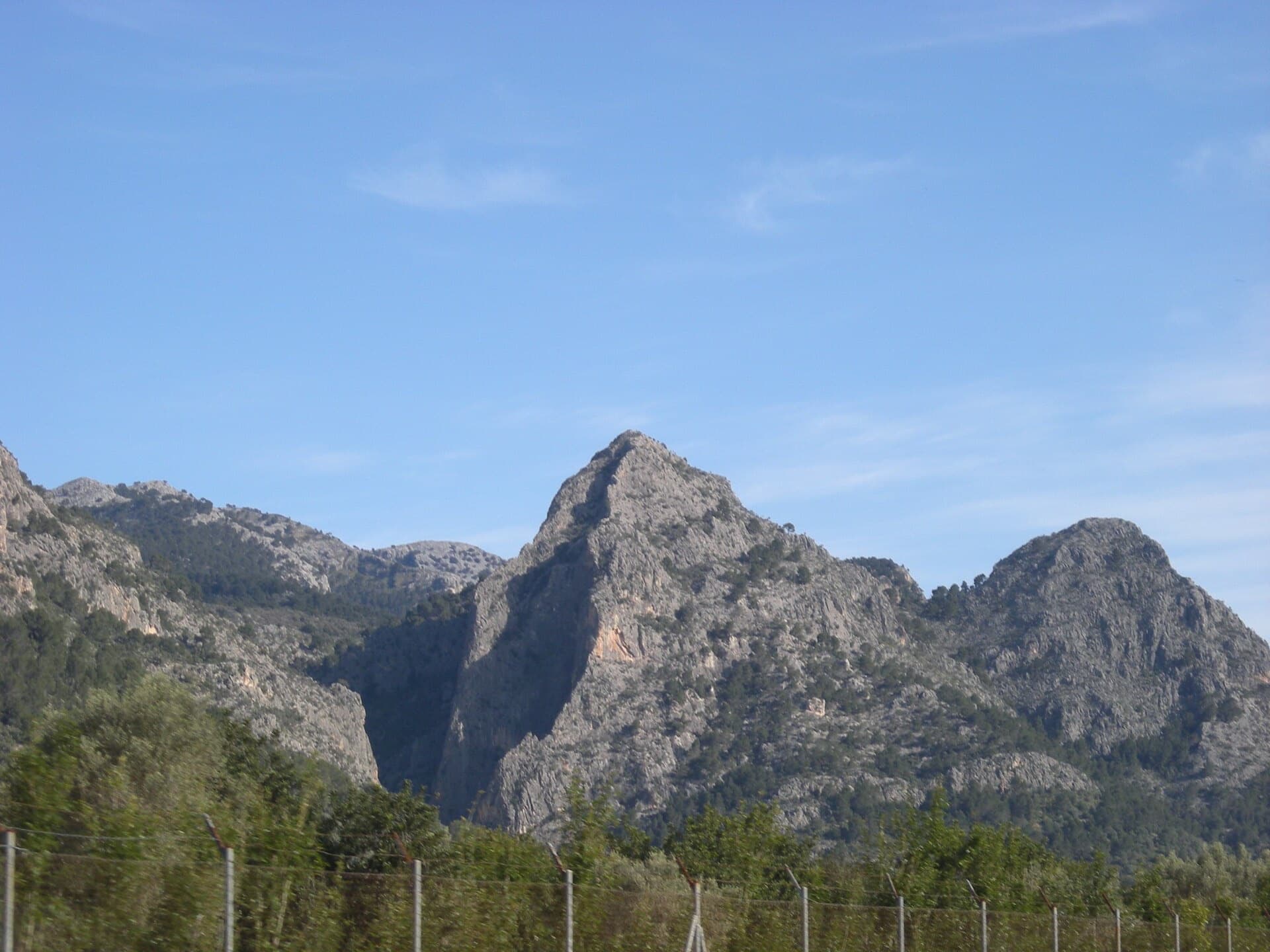
A steady 6a sport line, the first bolt line right of the open-book corner on the Bomberos wall. A harder P2 variation ('Sonrisa Vertical') is available.
6a6 pitches152 m
Spain · Mallorca (Sa Gubia)
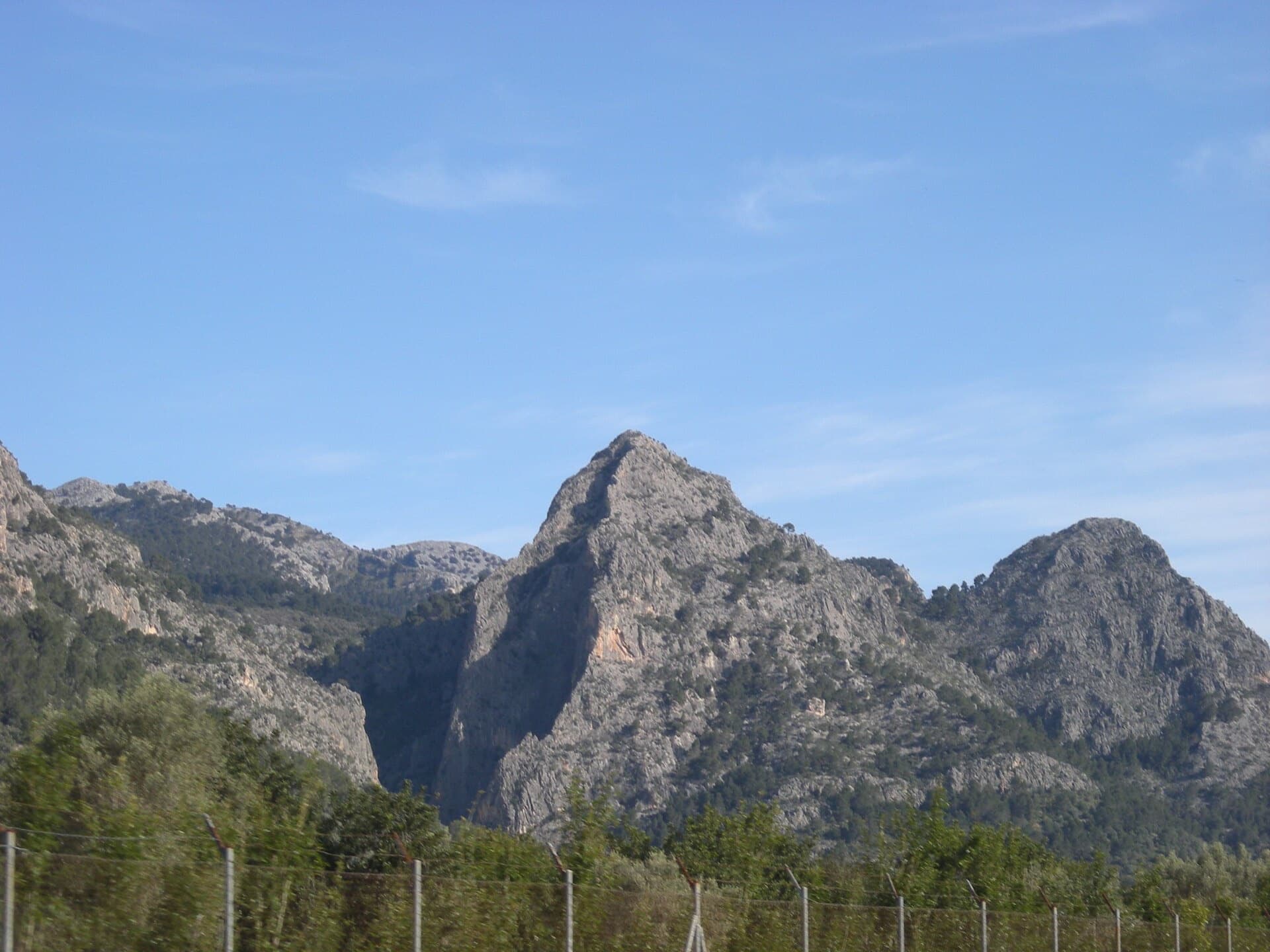
Steep walls of beautifully sculpted grey and orange limestone immediately right of Princesa, even at 6b from bottom to top. Rockfax calls it more adventurous than its neighbour. Several belays are hanging, and the pitches can be split or linked in many ways.
6b+5 pitches200 m
Spain · Mallorca (Sa Gubia)
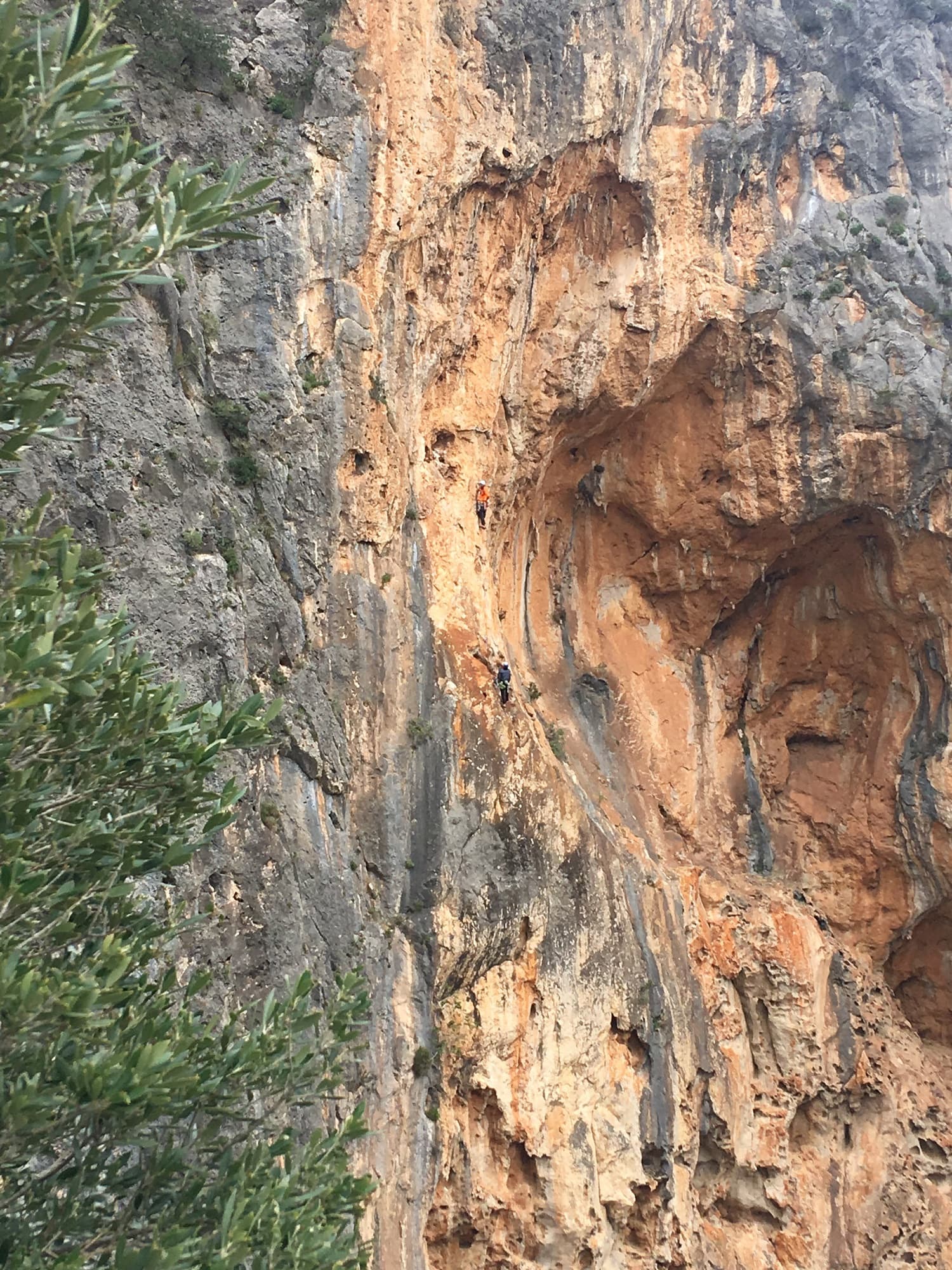
The best line of clean rock up the huge left wall of the Sa Gubia amphitheatre, and a Rockfax top-50 route. Four long pitches, sustained at 6a to 6b but never desperate, starting up a big white tufa, with fine positions at the stances. The route stops below the ridge and you abseil.
6b4 pitches135 m
Around 6b+ · about 4 pitches
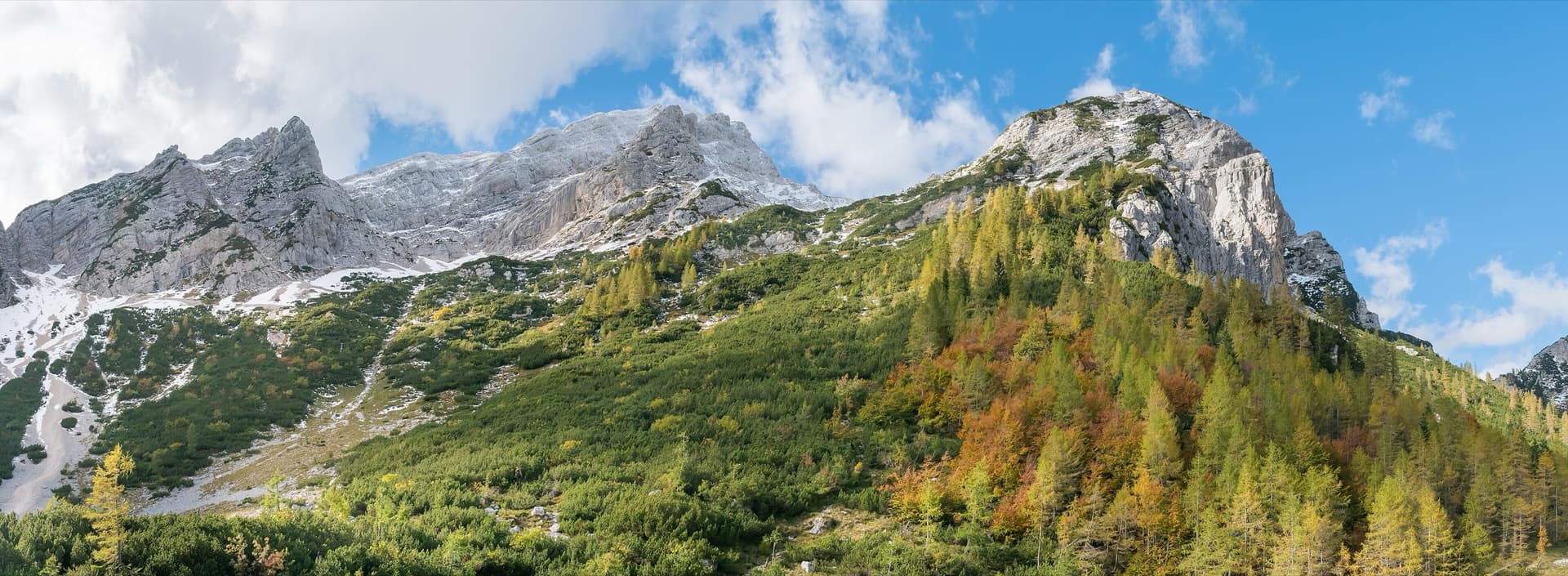
Slovenia · Vršič Pass (Julian Alps)
Sustained slab climbing up a striking black streak, clearly visible from the pass, on surprisingly good rock for this face. The crux is a move from slab into a corner on P2.
6b+4 pitches105 m
Read the cautions
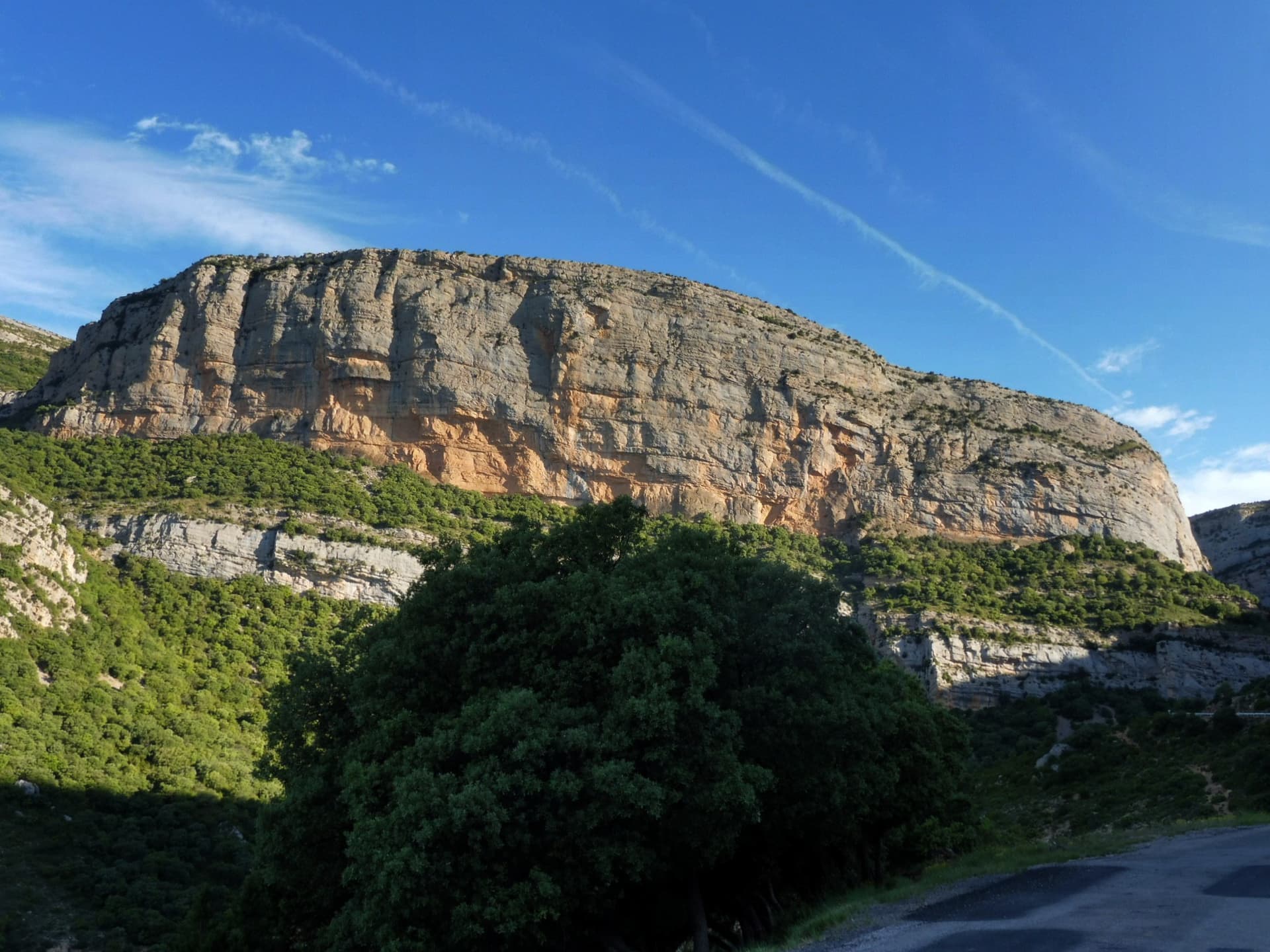
Spain · Vilanova de Meià (Roca dels Arcs)
Four long, steep pitches on the left side of the Roca dels Arcs, sustained at 6a on good holds and not yet polished above the first pitch. The third pitch is the event: a reachy bulge to start, 30 m of gently overhanging strata, and a hard boulder move off a ledge to finish that most people grade 6c. That last move can be avoided by belaying on the neighbouring route.
6b+4 pitches160 m
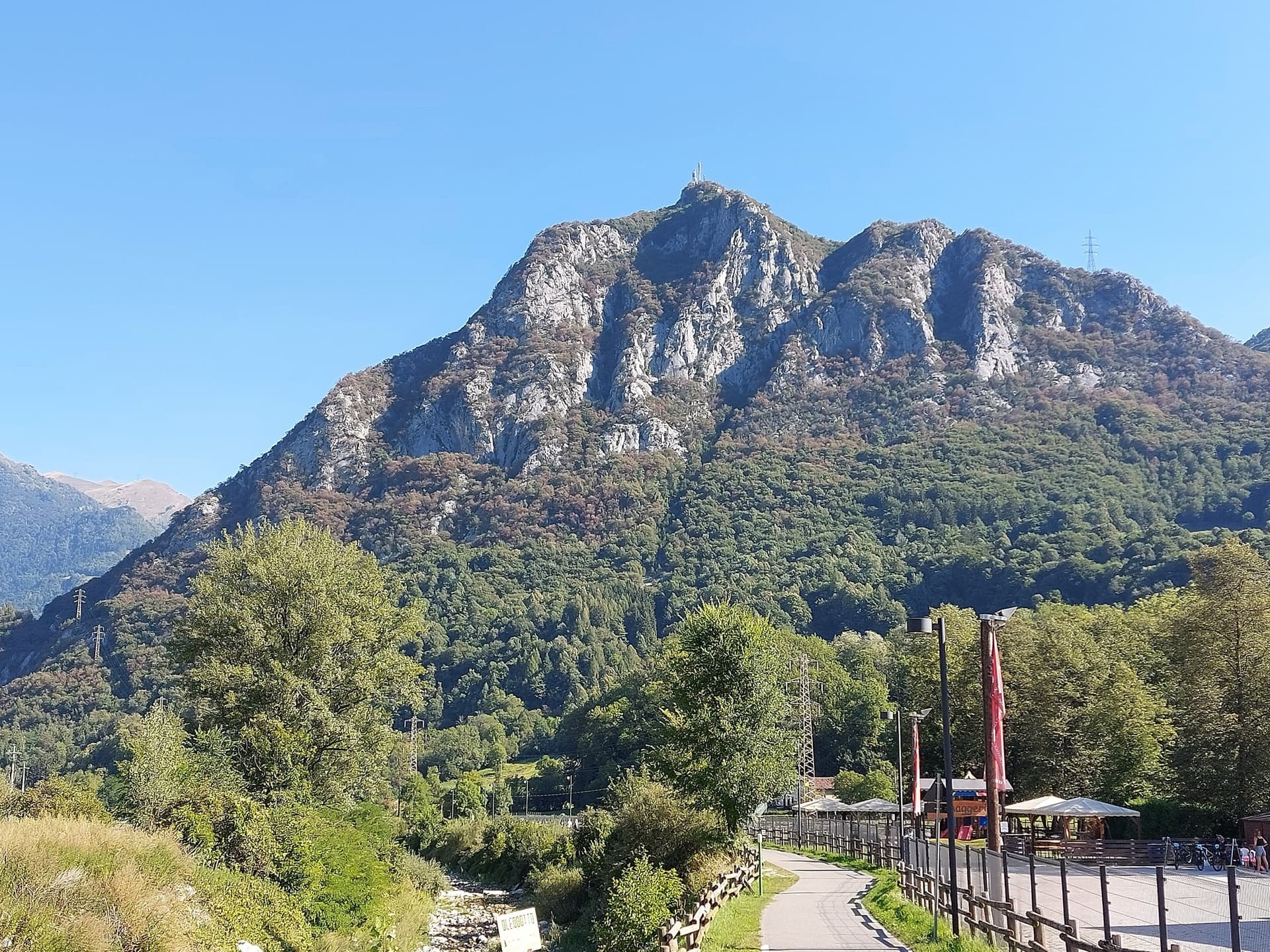
Italy · Lecco & Valsassina
Three friendly pitches up a striking arched flake and compact slabs, then a short wall with one hard, reachy move that most people pull through. A 1980 route by the Savonittos and Alessandro Gogna, and the usual first half of a link-up with Gli Schiavi della Pietra on the spur above.
6b+4 pitches90 m
Read the cautions
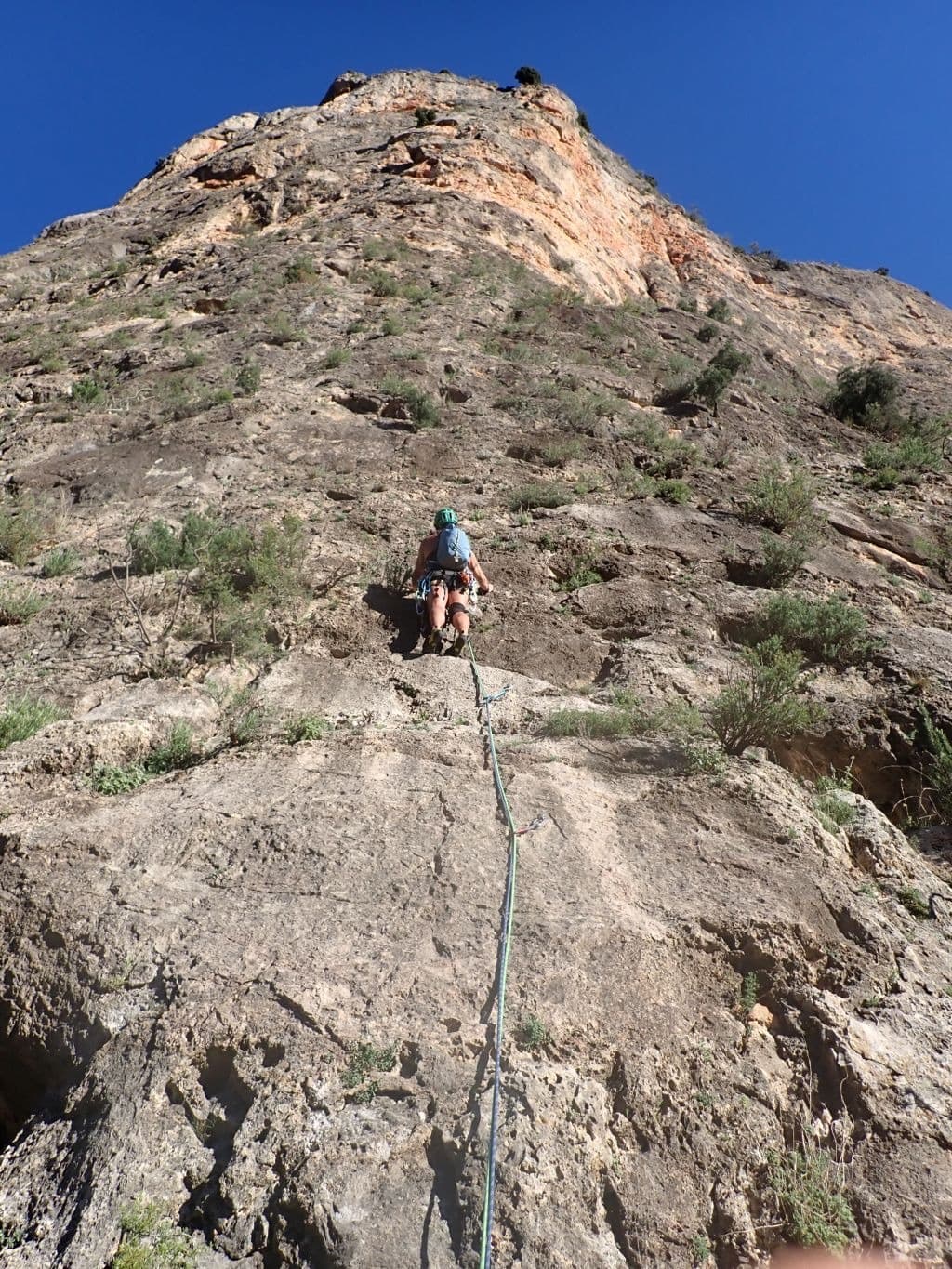
Spain · Montanejos
Four steep pitches up the orange wall of the Paredón del Alguacil, on pockets and big holds on vertical to gently overhanging rock. The second pitch is the one parties rave about; the third has the 6b+ move on smaller holds near its end. Short, sustained and sunny, with a 43 m first pitch.
6b+4 pitches115 m
Committing
Compiled from published sources and last verified October 2026. Bolts, anchors and access change. Climbing is dangerous and you are responsible for your own decisions: check a current topo and read the disclaimer.