Multipitch Atlas

Patience dans l'azur

Punta d'Arghjavara · Bavella · France

Easy to bailBolting confidence: high

The gentlest introduction to Bavella granite: twenty minutes from the road, well bolted by Corsican standards, and varied. An easy stepped first pitch, a holdless friction slab, a tafoni groove, a steep boulder start and traverse under overhangs, then a finish weaving through big tafoni. In the shade from mid-afternoon.

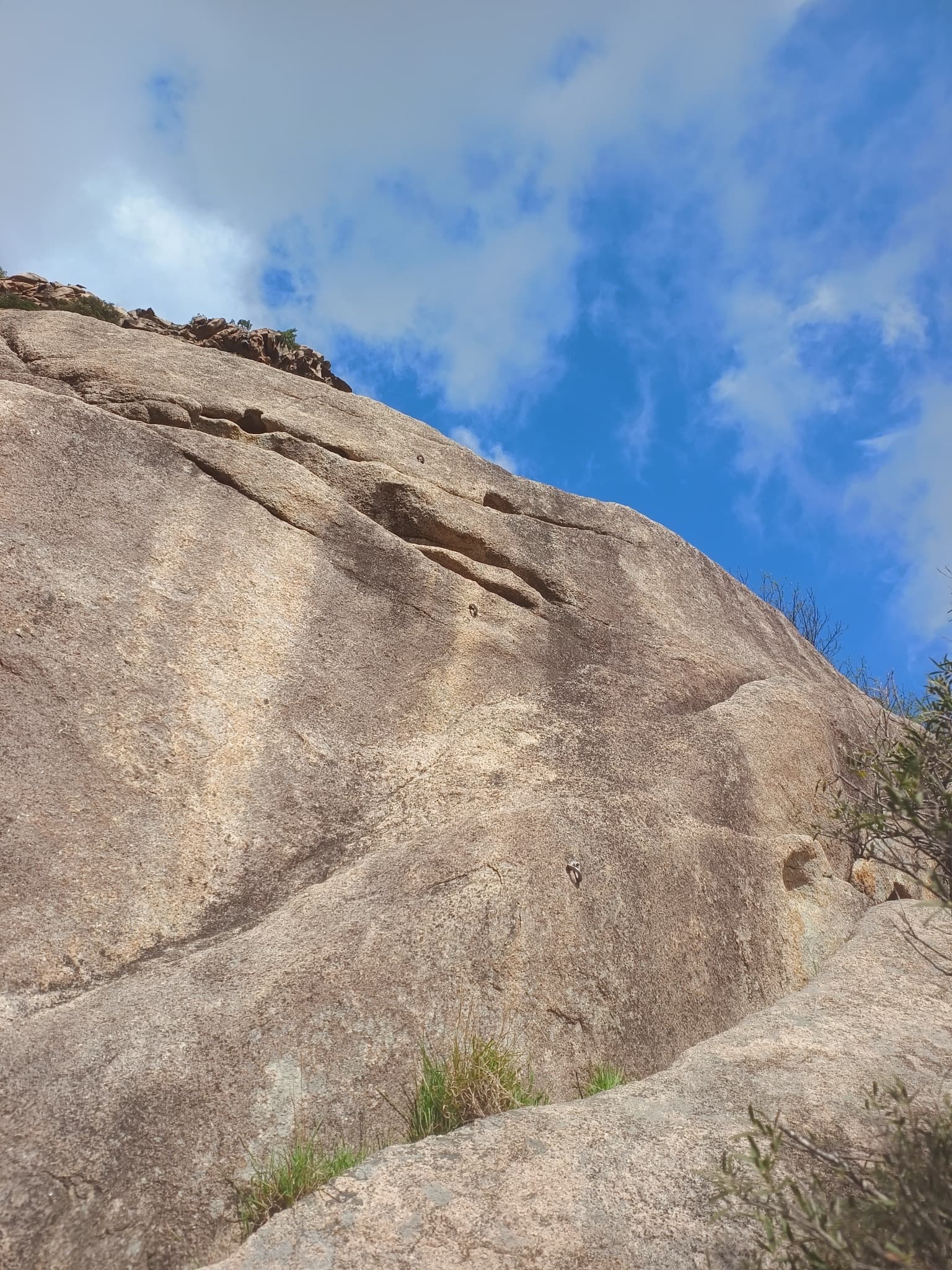
Looking up the slabs of the Punta d'Arghjavara, photographed on an ascent of Patience dans l'azur in April 2026Photo: JaroWalter · CC BY-NC-ND 3.0

Photo

Looking up the slabs of the Punta d'Arghjavara, photographed on an ascent of Patience dans l'azur in April 2026Photo: JaroWalter · CC BY-NC-ND 3.0
Hardest pitch
6a+
Pitches
5
Length
120 m
Approach
20 min
Aspect
SE
South-east-facing
Rope
Rope length not stated
the abseils are 4 × 30 m

The route

Overview

The Punta d'Arghjavara is the slabby, tafoni-capped wall directly above the Purcaraccia bridge, the most easily reached multipitch cliff in Bavella. Patience dans l'azur shares two belays with Torre di l'Alba and leaves it for the upper pitches. It is the route parties choose to acclimatise: the bolting is closer than on most Bavella routes and the grades are steady at 5c to 6a, with one short 6a+ boulder problem. The last pitch has two versions, a 6a through the overhangs on the right and an easier line up the obvious cleft that reaches the abseil line quickly in bad weather. Rock and equipment are described as bombproof.

The climbing

Pitch by pitch

Pitches of Patience dans l'azur
PitchGradeNotes
P15cClimb on big holds left of the mossy streak, then up steps slanting right. Straight up a small wall to a flake, climb it and belay above. The easiest pitch, with a few ledges and one or two steps.
P26aA friction slab with very few holds. Belay shared with Torre di l'Alba.
P36aClimb the left-hand tafoni groove (a ring on a thread at its exit), then a few steps and a striated slab. The end is shared with Torre di l'Alba: one thread and one bolt. Shared belay. More vertical than slabby.
P46a+Torre di l'Alba goes straight up the corner and tafoni (6b). For this route make a boulder start to the right just above the belay, then traverse under the overhangs, climb straight up at their end and reach a large terrace. Short, because of rope drag, slightly overhanging and physical.
P56aClimb to the first bolt, then traverse right into the overhangs and weave straight up through them to the top, placing a sling in one of the big tafoni. Variant (5c): take the obvious cleft, placing a sling between the first and second bolts, and at its top traverse left on threads in place to the top belay of Torre di l'Alba.

Getting there

Approach

To the parking

The D268 links Zonza and the Col de Bavella with Solenzara on the east coast. From Bastia follow the coast road south to Solenzara and turn up the D268; from Ajaccio drive via Aullène, Quenza and Zonza to the col and descend the east side. The Purcaraccia bridge is on the D268 between the Col de Bavella and Bocca di Larone. Roadside parking along this stretch of the D268 is now banned (yellow lines): a September 2024 party was fined 135 euros. That party was told to use the car parks about 600 m before or after the bridge, which in high season are reserved for professionals and holders of an FFME or FFCAM licence, with checks; a May 2026 party found the paid Arghjavara car park opening only at 9:00, and April 2026 parties parked by the bridge without trouble out of season.

On foot · about 20 min

About 20 min, the easiest approach in the area. From the bend before the bridge (coming down from the col) a vague cairned path opposite climbs under the pines and soon joins an old irrigation channel that leads to the Purcaraccia stream. On the left a cleared path climbs easily to the face. A first, rather high hanger marks the start of Altore. Continue right to two starts close together: Torre di l'Alba begins up a crack-chimney, and Patience dans l'azur begins to its left in a mossy streak, with a distinctive double-trunked tree at the foot.

Map of the walk-in

  • Crag
  • Parking

Loading map

The point marks the crag, not the exact start of the route.

Coordinates · crag

41.82889, 9.26167

Parking

41.82658, 9.26416

Pont de la Purcaraccia on the D268 (camptocamp waypoint 142106); roadside parking is banned, use the nearby car parks

Point from camptocamp waypoint 41646 (Punta d'Arghjavara)

For your phone or watch

Download GPX

Contains the route point and parking. Opens in most mapping apps and GPS watches.

Points are compiled from published sources, with the precision stated above. They were not surveyed on the ground: check them against a current topo.

Getting down

Descent

By abseil down Torre di l'Alba. At the top walk about ten metres and go down a small gully with a fixed handline to the station. Four quick abseils of about 30 m follow; camptocamp says to pick up R1 of Patience dans l'azur on the way. A June 2025 party warns that R3 of Patience dans l'azur is also rigged for abseiling but is the wrong one: from it they fell about 4 m short of the next station and had to climb the ropes. Use the station about 5 m lower. The abseil stations have two rings side by side, not linked. An April 2026 party took 30 min for the descent.

Retreat

Bailing off the route

Easy to bail

The descent is by abseil down the neighbouring Torre di l'Alba, with which the route shares belays at R2 and R3, and the belays have rings. Camptocamp notes that the cleft variant of the last pitch reaches the abseil line quickly in bad weather. The one reported problem is picking the wrong station at R3.

Retreat from
R2 and R3 (shared with Torre di l'Alba) and the terrace at R4.
Point of no return
None stated.
Carry
A rope that covers 30 m abseils with a margin; the stations' two rings are not linked.
Basis
Part stated, part inferredAbseil line, ringed belays and the bad-weather variant are stated on camptocamp and in trip reports; retreat from the lower belays specifically is inferred from the shared stations.

Partly inferred from the route facts

Safety

Hazards

  • Parking: roadside parking by the bridge is banned and fined (see Getting there).
  • Choosing the wrong abseil station at R3 leaves you short of the next one.
  • The start is easily confused with Torre di l'Alba (6a first pitch), which begins a few metres right.
  • Friction slab on pitch 2: a fall would be a long slide on rough granite.

Sun and weather

Conditions

South-east facing and low: the bridge is at 489 m and the top of the cliff at about 690 m. Hot in the sun from late spring; a party starting at 16:00 in late June was in the shade throughout, and an August party climbed after an afternoon swim. The granite keeps its grip when damp: a May 2025 party climbed between showers. Snow and cold are possible in early spring at the col, but the wall is low.

Usual season · Apr to Jun, Sep to Oct

Sun on the wall · SE-facing

Working out the sunlit hours for this month.

  • January: not yet worked out
  • February: not yet worked out
  • March: not yet worked out
  • April (usual season): not yet worked out
  • May (usual season): not yet worked out
  • June (usual season): not yet worked out
  • July: not yet worked out
  • August: not yet worked out
  • September (usual season): not yet worked out
  • October (usual season): not yet worked out
  • November: not yet worked out
  • December: not yet worked out

Sun on the wallDaylight, wall in shade● Usual season

Estimated from the wall's aspect only. Ignores surrounding terrain, gullies and the wall's exact shape. Clock times are local to the wall (Central European time), for the 15th of each month.

Climate figures for Bavella are not available yet

What to carry

Gear

Quickdraws (number not stated on camptocamp) and a few slings for the tafoni threads at the top. No cams or nuts needed. The rope needed for the 30 m abseils is not stated; take enough to cover them with a margin. Helmet.

Checklist

Quickdraws
Number not given in the sources
Rope
Rope length not stated; the abseils are 4 × 30 m
Helmet
One each
Abseil device and prusik
The descent or the retreat involves abseiling

Derived from the route data; check it against a current topo

From climbers

Reader reports

Reader reports are not being collected yet. Until they are, check a current topo and the local club or guidebook publisher for recent changes to Patience dans l'azur.

Worth knowing

Tips

  • Allow about 2 h on the route and 3 h 30 to 4 h car to car.
  • Climb it in the afternoon shade and swim in the Purcaraccia pools afterwards.
  • The direct fourth pitch of Torre di l'Alba (6b) is a harder alternative finish from the same belay.

Open questions

Where sources disagree

  • Length: not published. The 120 m here is inferred from the four 30 m abseils; the neighbouring Altore is given as 150 m.
  • Last pitch: 6a through the overhangs on camptocamp; parties in 2023 and 2024 describe a short, very easy last pitch of about 5a, apparently the cleft variant, and one counts six pitches.
  • Camptocamp's Spanish text gives the same grades as the French; no second topo was available to compare. ClimbingAway describes the cliff's bolting generally as run-out, which recent parties contradict for this route.
  • Abseils: camptocamp says four of 30 m down Torre di l'Alba; a 2026 party says they abseiled 'via Altore', and a 2025 party refers to the correct lower station as Altore's R3.

Provenance

Sources

Same area

More in Bavella

All routes in Bavella
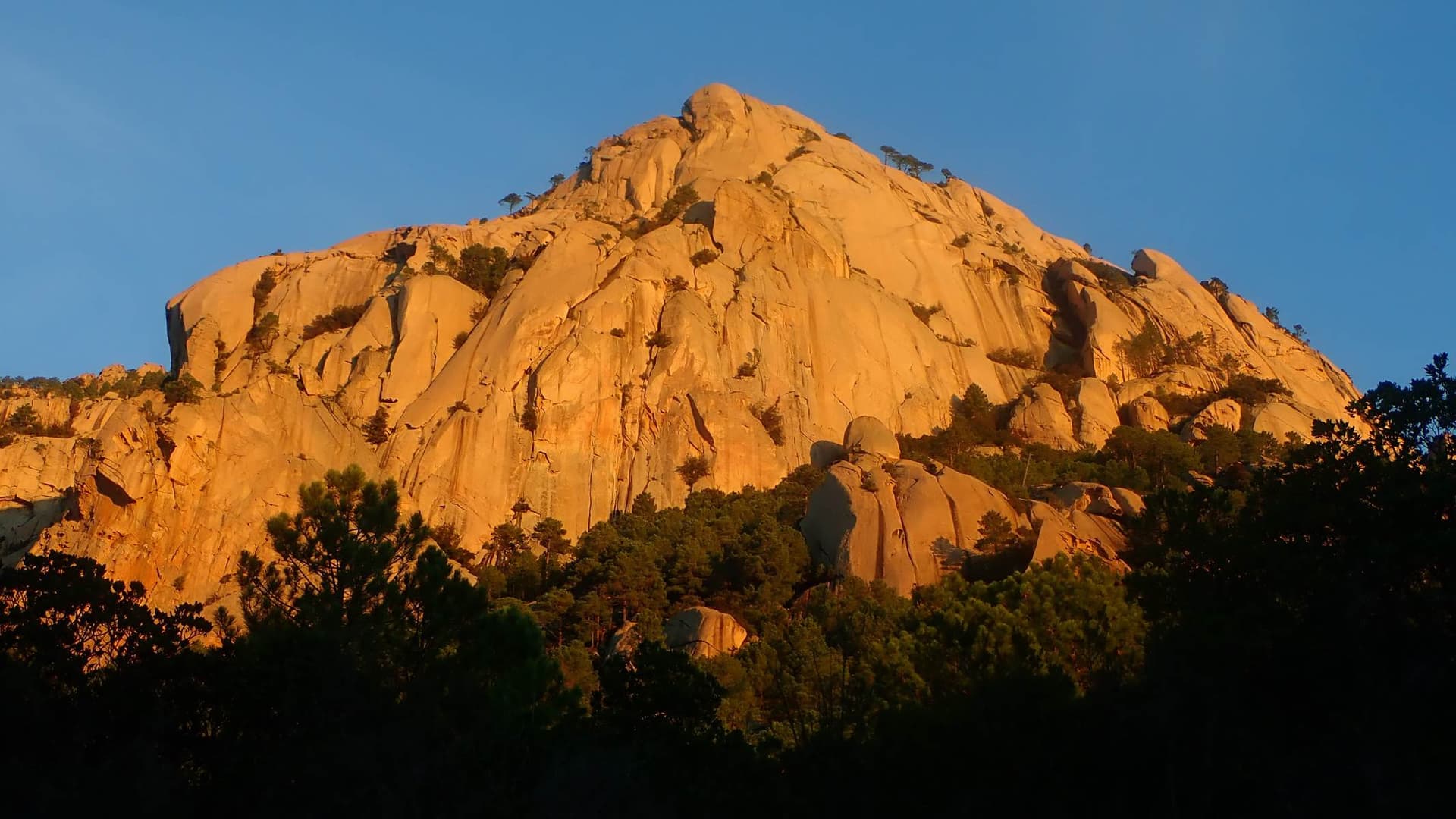
The granite dome of Teghie Lisce glowing at sunrise above the pines of Bavella; Acqua in bocca climbs its slabs, the line is not marked.

France · Bavella

Acqua in bocca

A sampler of everything Bavella granite does: a technical 7a wall, layback and jamming cracks, an off-width, a squeeze slot behind a tree, and three pitches of pure friction slab to finish. Bolted well enough to climb on quickdraws, which is rare here. The wide pitches are awkward and bruising if you are not used to the style.

7a10 pitches300 m

Read the cautions
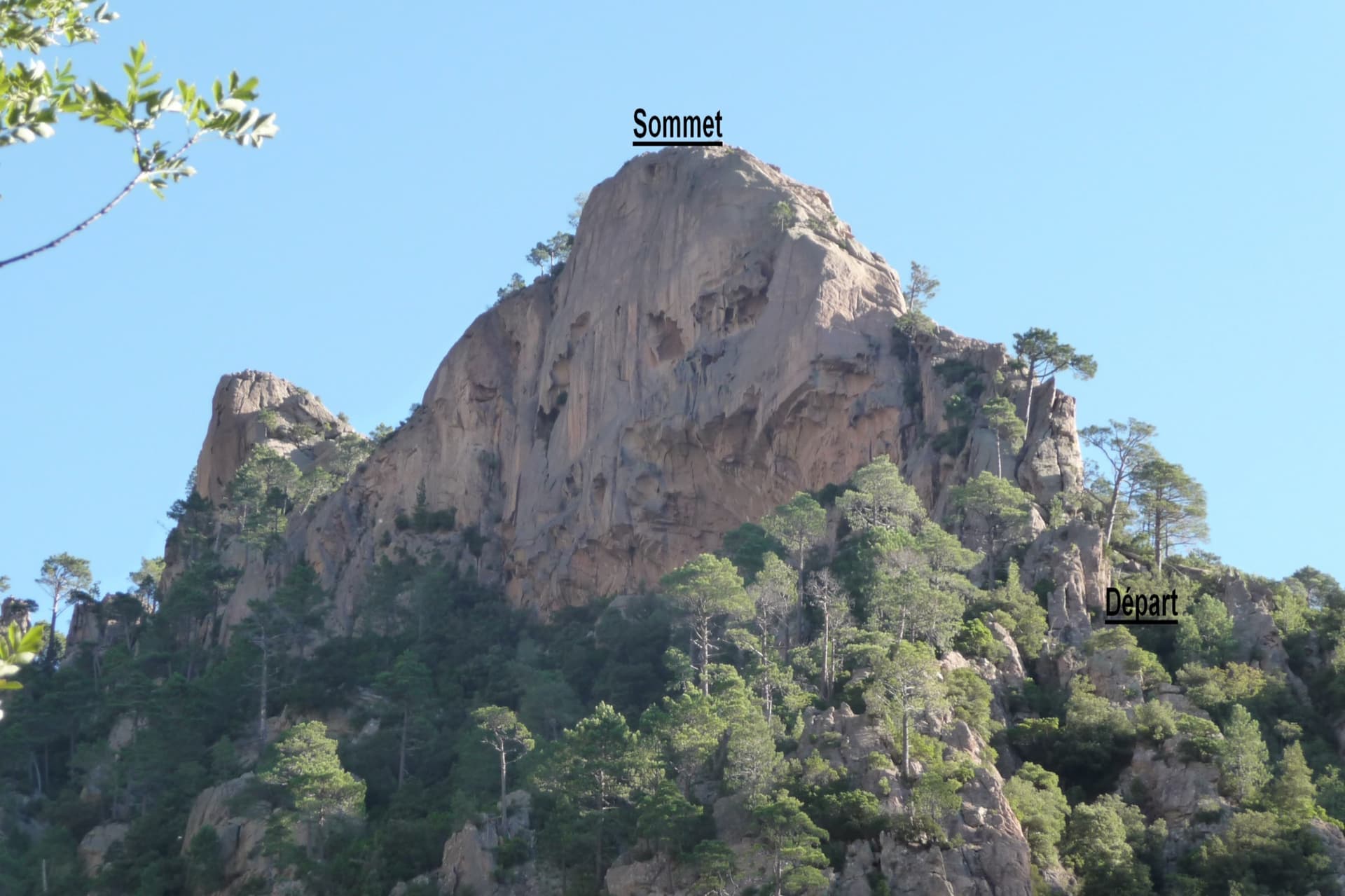
The Dente di a Purcaraccia above the Purcaraccia valley, with the start and summit of the south arête marked

France · Bavella

Iznogoud (Arête S)

An easy friction-slab route up the south arête of a small granite tooth above the Purcaraccia cascades: a slab and corner, a walk, then two pitches of clean, airy slab climbed mostly on your feet, and a scramble to a summit with a huge view. Parties find the grades generous. The approach is a long, beautiful walk past the pools, with a rougher finish through maquis.

5c+5 pitches130 m

Read the cautions

The lower friction slabs of the Punta d'Arghjavara, photographed on an ascent of Altore in April 2026

France · Bavella

Altore

Two long, easy friction slabs with a boulder move off the ground, then three pitches through steep tafoni with a long rising traverse and a choice of finish at 6a or 6b. Close to the road, sheltered from the west wind and a classic choice for uncertain weather. Sound rock; some find the slabs too easy to be memorable.

6b5 pitches150 m

Read the cautions

The buttress below Punta Rossa coming into view on the approach to Alexandra, October 2024

France · Bavella

Alexandra

A concentrate of Bavella on orange granite: long pitches alternating pure friction slabs, walls and roofs of huge tafoni, a cracked corner and a final sequence of technical bulges. Sustained at 6a and 6a+ with rests on big ledges. Maurizio Oviglia calls it one of the most approachable and most recommendable routes in the massif.

6b5 pitches220 m

Read the cautions

Around 6a+ · about 5 pitches

Similar elsewhere

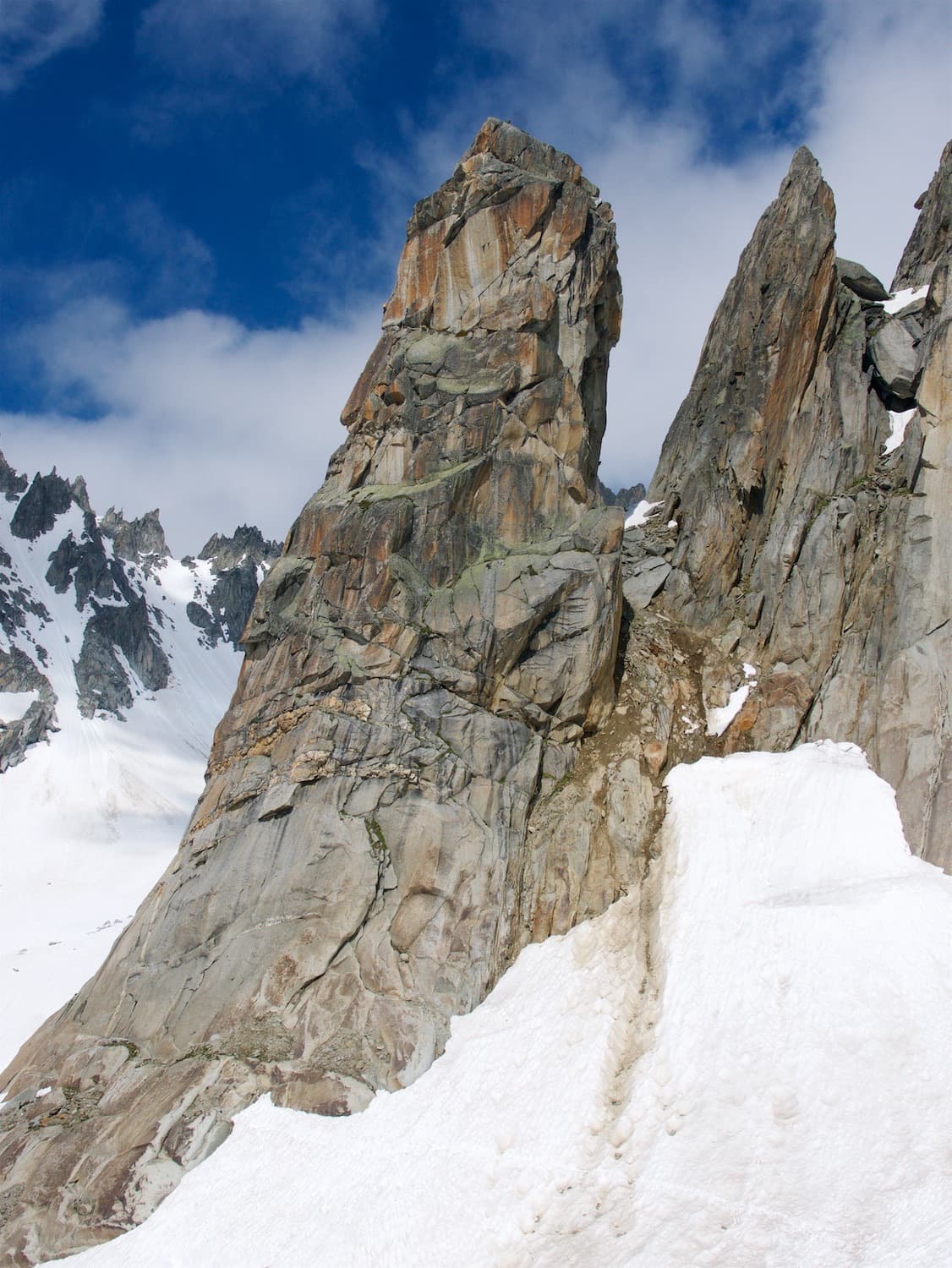
The Hannibalturm in early season, with snow still lying at its foot

Switzerland · Furka

Hanimoon

Five sustained pitches on the left side of the Hannibalturm, never easier than 5c+ and never much harder than 6a+. A smooth friction slab leads to steep wall climbing, a pillar, a flake and a corner, and the route finishes up a ladder of huge quartz knobs. Many parties rate it the best line on the tower and find the second pitch the hardest.

6a+5 pitches170 m

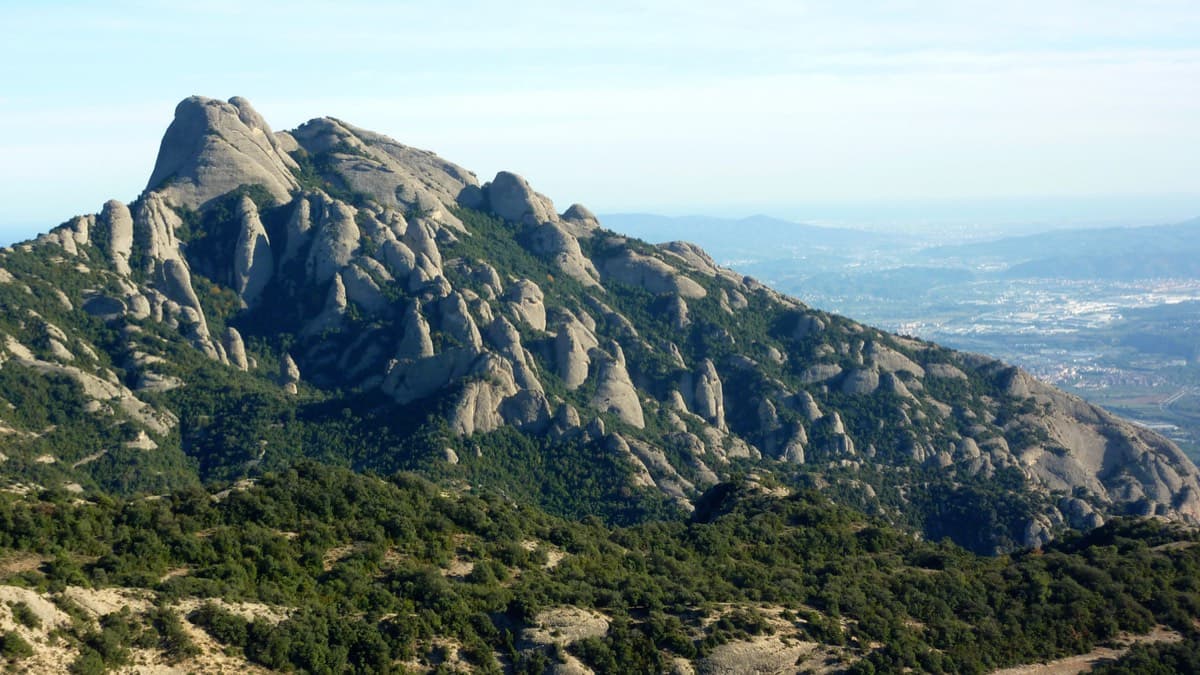
West side of the Gorros sector, Montserrat

Spain · Montserrat

Integral d'en Pitu i la Nuri

A modern linkup over two pinnacles on excellent conglomerate. Overhanging 6a and 6a+ walls alternate with easy 'potato-field' slabs. The new bolting makes it one of the most reassuring long lines in the massif.

6a+5 pitches185 m

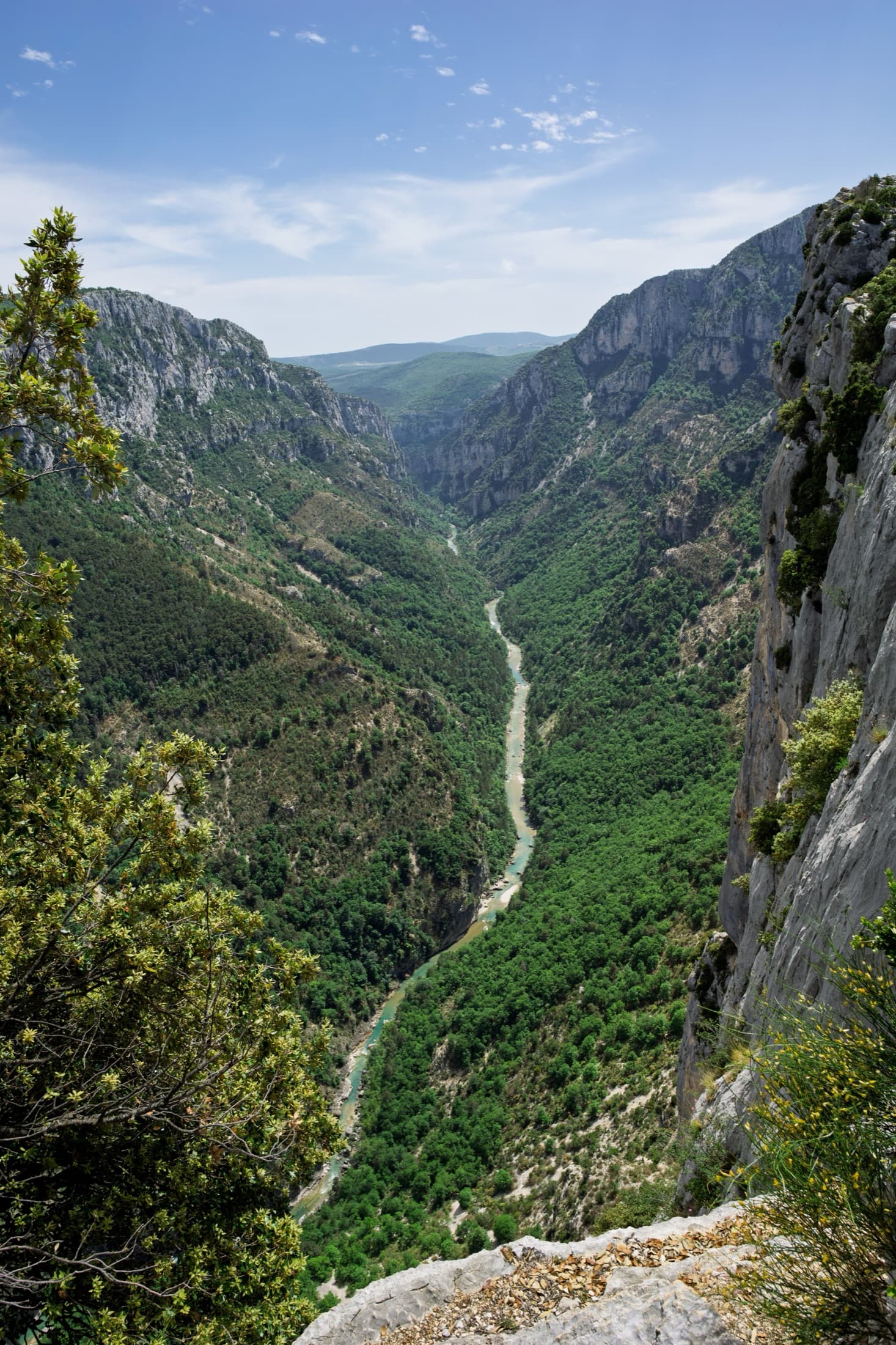
The Verdon gorge from the Belvédère de la Carelle, where the abseils to the route start

France · Verdon

Afin que nul ne meure

A 1985 classic of the Escalès, a grade harder and noticeably bolder than Les Dalles Grises next door. Five pitches on pockets and slabs, starting with polished rising traverses and finishing up a sculpted wall of vertical flutings, an overhanging crack and a bulge at 6a+. You need to be solid at 6a to enjoy it.

6a+5 pitches150 m

Read the cautionsCommitting

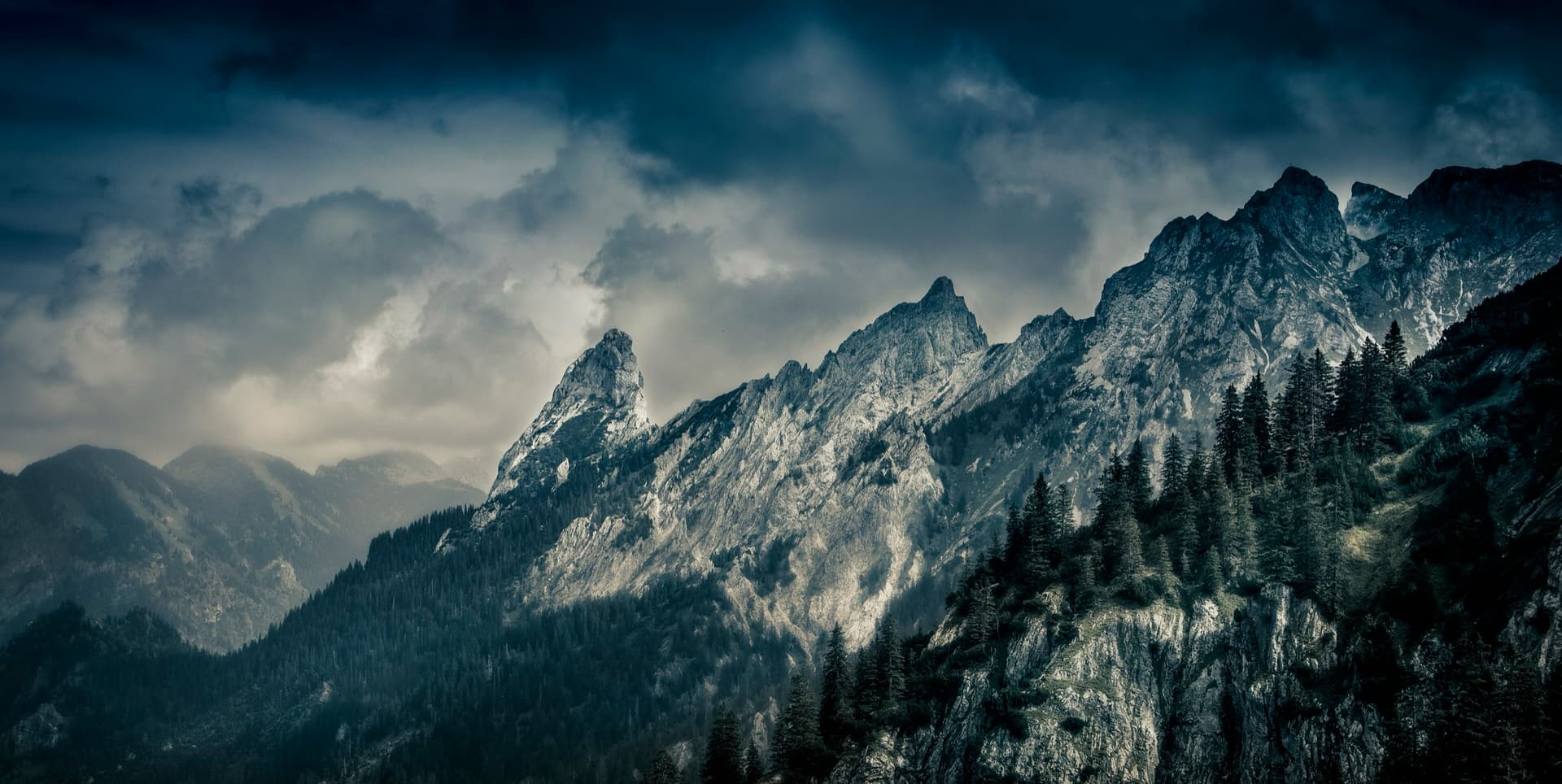
The Geiselstein and Gabelschrofen in the Ammergebirge nature reserve

Germany · Ammergauer Alpen

Balisto

The popular sport line of the Geiselstein south face, straight up to the summit cross. Long, steep pitches on excellent rough limestone, sustained at UIAA 6- to 6 with two short passages of 6+ and one easier pitch on less reliable rock. Never easy and never crowded with bolts: you climb between them.

6a+5 pitches210 m

Read the cautions

Compiled from published sources and last verified October 2026. Bolts, anchors and access change. Climbing is dangerous and you are responsible for your own decisions: check a current topo and read the disclaimer.