
Spain · Vega Baja (Orihuela & Callosa)
Código Vertical
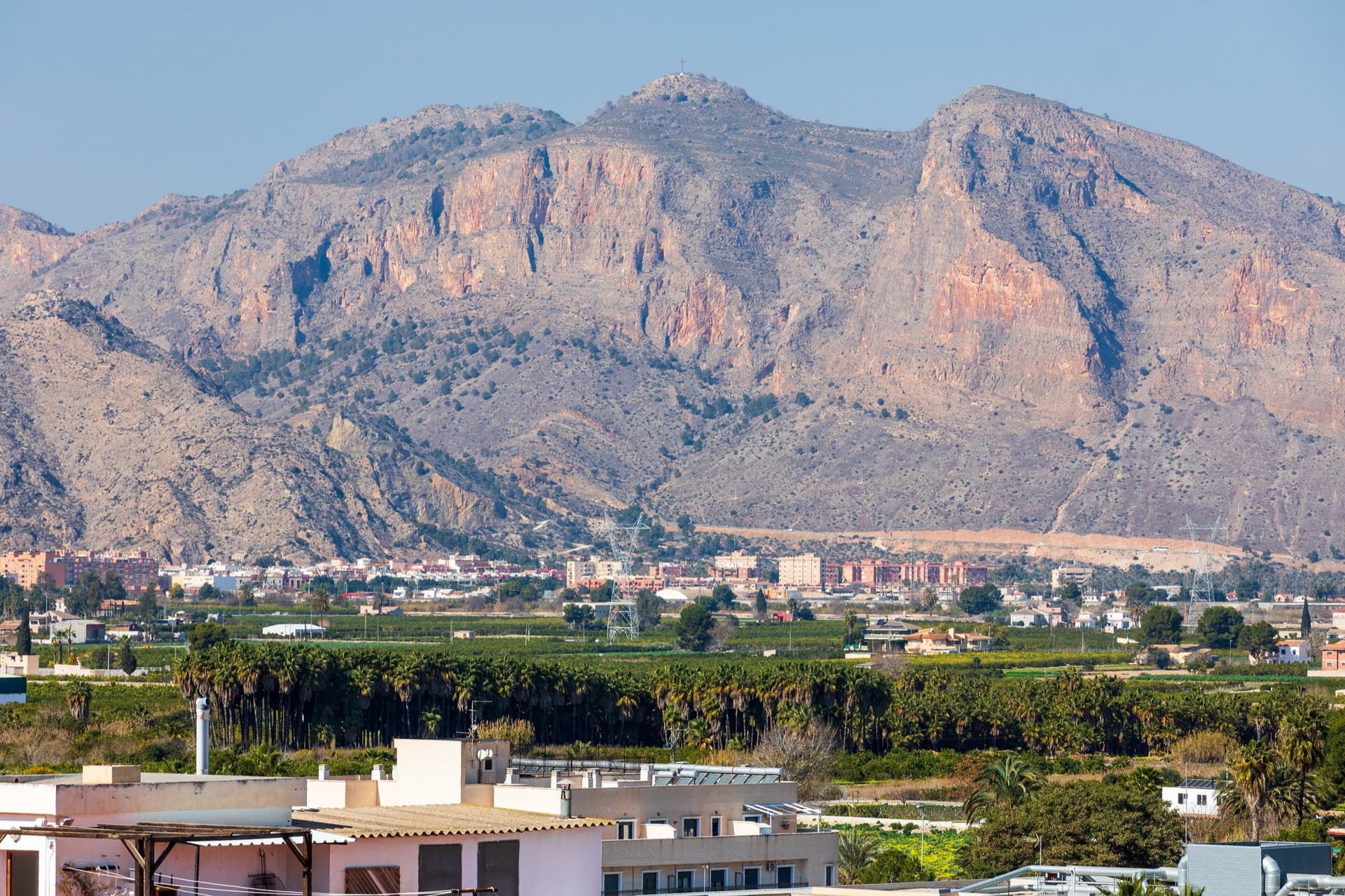
A popular modern four-pitch classic on Pared Negra's compact grey limestone, around UIAA 6/6+ (about French 6a). Best on cool, sunny winter days.
6a4 pitches150 m
Sierra de Callosa, Redován (La Pancha) · Vega Baja (Orihuela & Callosa) · Spain
Read the cautionsBail with caveatsBolting confidence: medium
The hardest of the La Pancha multipitch routes in the atlas: an easy first pitch, then three steep, demanding pitches of 6c, 6b and 6a+, the middle one 50 m long. Excellent rock apart from the start of pitch 2 and the first half of pitch 3. Not to be underestimated.
Reported as faultlessly bolted, but it rests on a single 2025 source, has some poor rock on two pitches and needs 6a+ between the bolts.
The route
Silvia takes a line about 50 m up and left from the path's arrival under La Pancha, the limestone dome above Redován. After a short grade 5 pitch to a ledge it climbs a corner and the walls above in three sustained pitches, then finishes with a long 5+. The climbing is steep and exacting, and although the bolting is described as faultless you cannot aid your way past everything: about 6a+ is obligatory. It is documented by a single camptocamp page and outing from December 2025, so treat the details as one party's account.
The climbing
| Pitch | Grade | Length | Notes |
|---|---|---|---|
| P1 | 5 | 20 m | To a belay at the end of the ledge on the right, below the start of the corner. |
| P2 | 6c | 30 m | Steep and demanding in places. A few blocks to test at the start. |
| P3 | 6b | 50 m | Long and sustained; the rock at the start, and for the first half, needs a careful touch. 18 quickdraws. |
| P4 | 6a+ | 30 m | A change of style, and not a gift at the grade. |
| P5 | 5+ | 40 m | An easier pitch to the top. |
Getting there
Redován is a village in the Vega Baja, between Orihuela and Callosa de Segura. Drive to the sports centre (polideportivo) in the upper part of the village and use its car park.
15 to 20 minutes. From the sports centre take the marked path towards La Pancha. Before reaching the foot of the dome go left and climb leftwards for about 50 m. An engraved plaque marks the start, to the left of a line of blue hangers.
Loading map
The point marks the crag, not the exact start of the route.
Point from camptocamp waypoint 470941 (Redován)
Contains the route point. Opens in most mapping apps and GPS watches.
Points are compiled from published sources, with the precision stated above. They were not surveyed on the ground: check them against a current topo.
Coordinates: 38.12040, -0.90393 (crag)
Getting down
By abseil. The first station is 20 m to the right of the top, marked by an engraved arrow: abseil 25 m. A second abseil of 50 m reaches belay 3 (the page also lists 45 m to belay 2 as an alternative), and a last one of 45 m reaches the ground.
Retreat
Bail with caveats
The descent is by abseil and passes belay 3 and the ground, so retreat from the lower belays should be feasible with two ropes. The source does not describe the hardware at each belay.
Partly inferred from the route facts
Safety
Sun and weather
South-west facing at low altitude; in December the sun arrives at about midday. A cool-season cliff.
Sun on the wall · SW-facing
Working out the sunlit hours for this month.
Sun on the wallDaylight, wall in shade● Usual season
Estimated from the wall's aspect only. Ignores surrounding terrain, gullies and the wall's exact shape. Clock times are local to the wall (Central European time), for the 15th of each month.
| Measure | Jan (usual season) | Feb (usual season) | Mar (usual season) | Apr (usual season) | May | Jun | Jul | Aug | Sep | Oct | Nov (usual season) | Dec (usual season) |
|---|---|---|---|---|---|---|---|---|---|---|---|---|
| Mean daily high °C | 16 | 18 | 20 | 23 | 26 | 31 | 33 | 33 | 29 | 25 | 20 | 17 |
| Mean daily low °C | 5 | 6 | 8 | 11 | 14 | 18 | 21 | 21 | 18 | 14 | 10 | 6 |
| Rain days 1 mm or more | 4 | 4 | 5 | 5 | 4 | 2 | 1 | 2 | 5 | 5 | 5 | 4 |
● marks the usual climbing season. Averages for 1991-2020 at about 27 m. Area climate from Open-Meteo reanalysis. Temperatures are adjusted to the height of the crag; rain comes from a grid cell of about 10 to 25 km, and summer highs on sea cliffs can read a few degrees low. The wall and valley can differ. Data: Open-Meteo, CC BY 4.0.
What to carry
18 quickdraws for pitch 3; 13 are enough for the others. Two 50 m ropes for the abseils. Helmet.
Derived from the route data; check it against a current topo
From climbers
Reader reports are not being collected yet. Until they are, check a current topo and the local club or guidebook publisher for recent changes to Silvia.
Worth knowing
Open questions
Provenance
Same area
Spain · Vega Baja (Orihuela & Callosa)
A popular modern four-pitch classic on Pared Negra's compact grey limestone, around UIAA 6/6+ (about French 6a). Best on cool, sunny winter days.
6a4 pitches150 m
Spain · Vega Baja (Orihuela & Callosa)
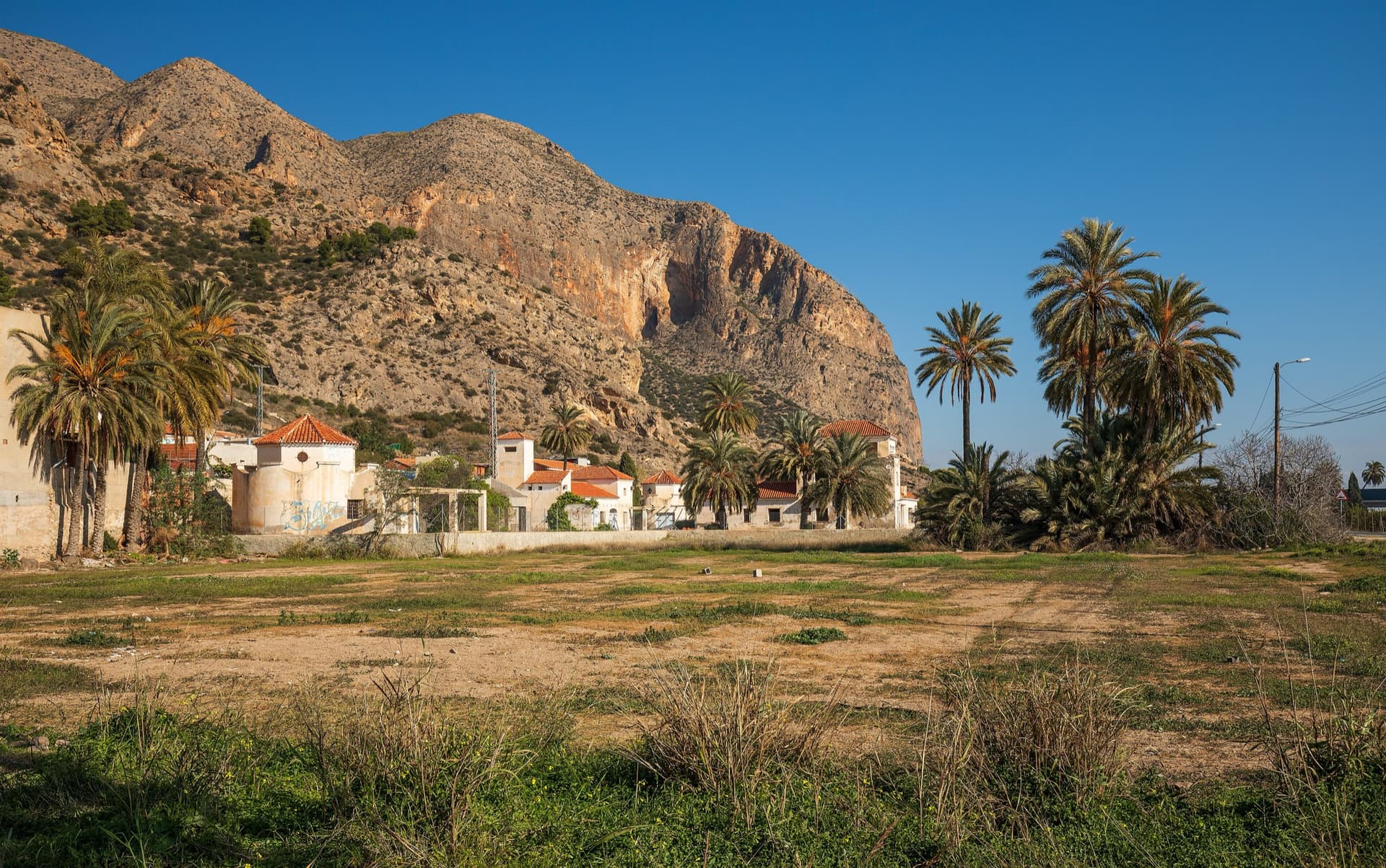
A long, steady V+ spur to the summit of the Sierra de Callosa on exceptional rock. Many terraces allow a safe retreat, which makes it good mileage for building multipitch experience. Check local seasonal climbing restrictions in the Sierra de Callosa.
5+9 pitches500 m
Read the cautions
Spain · Vega Baja (Orihuela & Callosa)
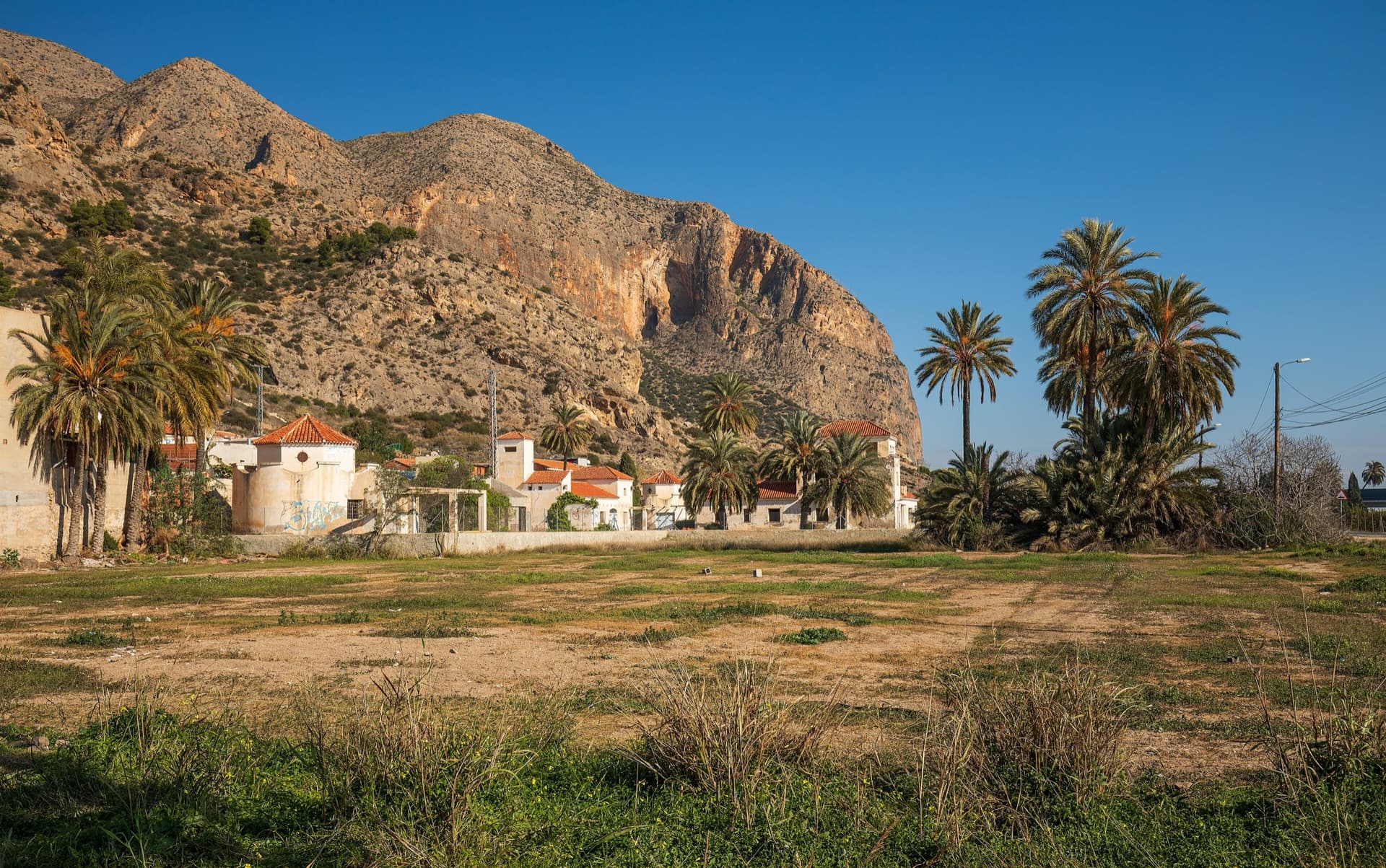
The classic of Redován: ten pitches and 300 m of steady grade 5 with three steeper pitches on red rock. The eighth pitch, a traverse right into an overhanging corner above the orange cliffs, is the one people remember. Closed from January to June for nesting eagles.
6a+10 pitches300 m
Spain · Vega Baja (Orihuela & Callosa)
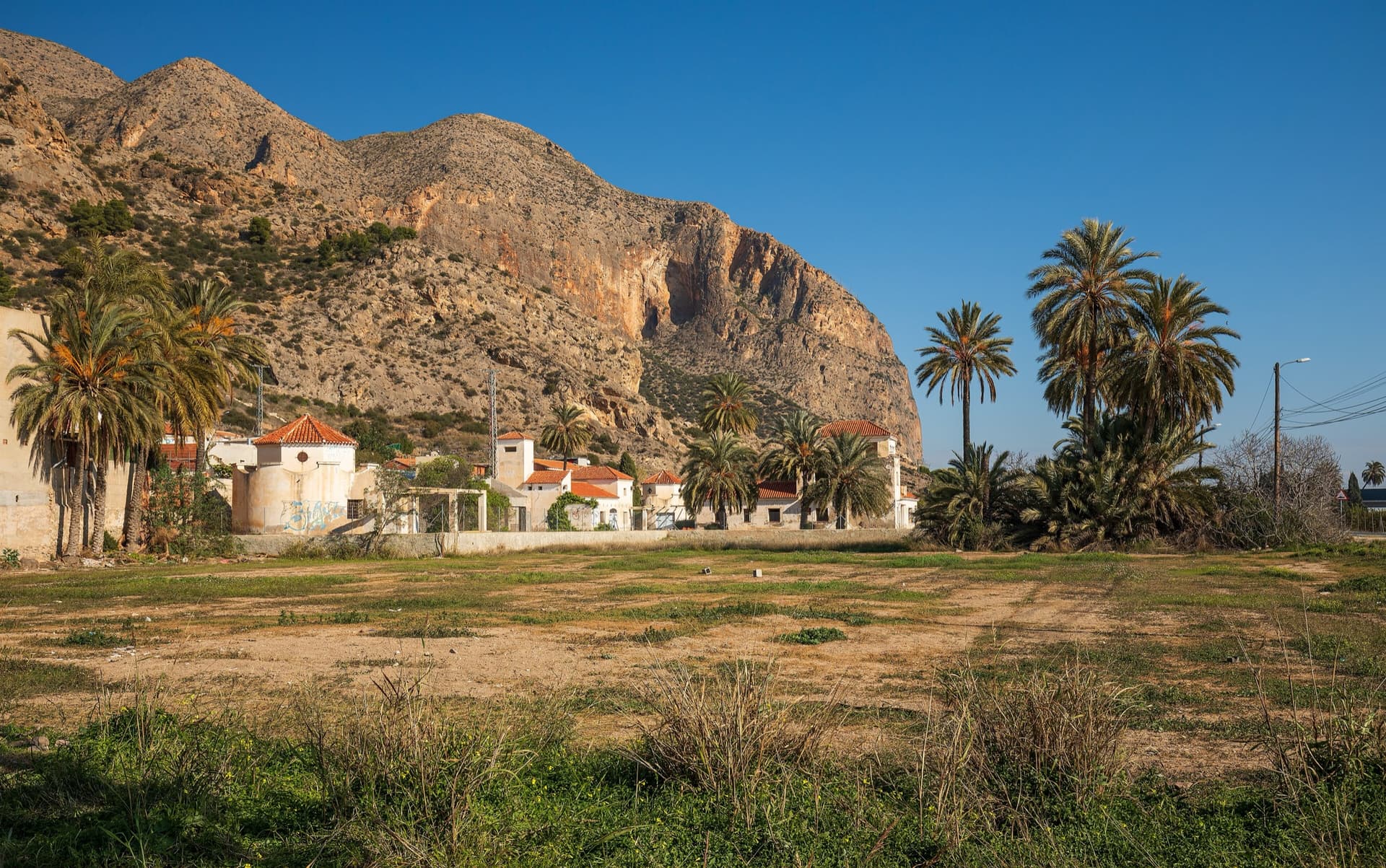
Five pitches up the centre of La Pancha, the main wall above Redován. The second pitch climbs the middle of a red pillar with a polished crux on flat holds; the 40 m last pitch is an elegant slab that looks much harder than it is. Outside the bird closure that affects Botri.
6b+5 pitches150 m
Around 6c · about 5 pitches
Spain · Costa Blanca (Cabeçó d'Or)
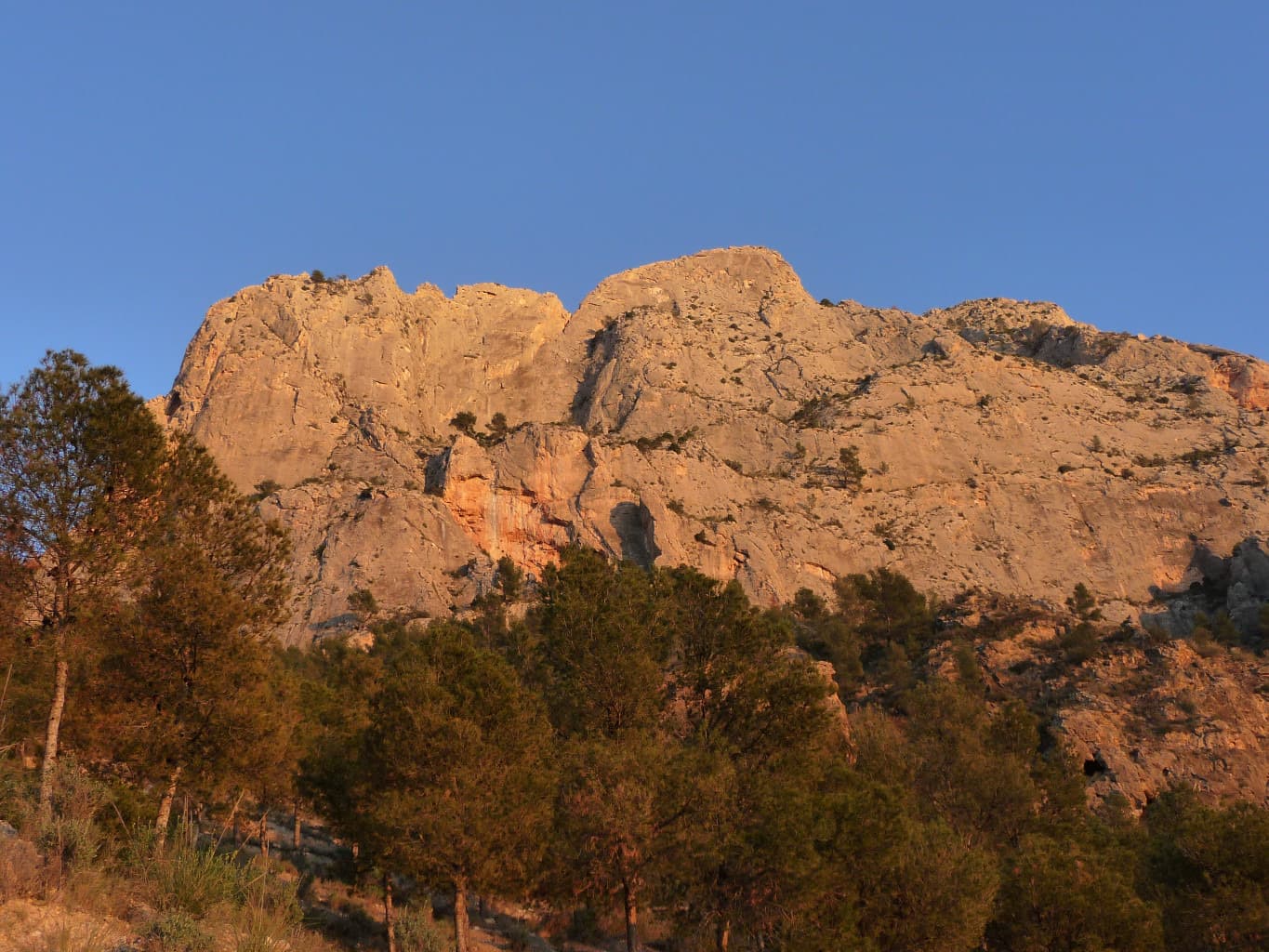
Delicate, technical wall climbing on small edges up a detached pillar and then the magnificent grey headwall above the hanging garden of the Paredón de los Alcoyanos. Sustained at 6b and above with little rest for the feet, and bolted as a sport route. A step across the void from the top of the pillar is the route's oddity.
6c5 pitches160 m
France · Sainte-Victoire
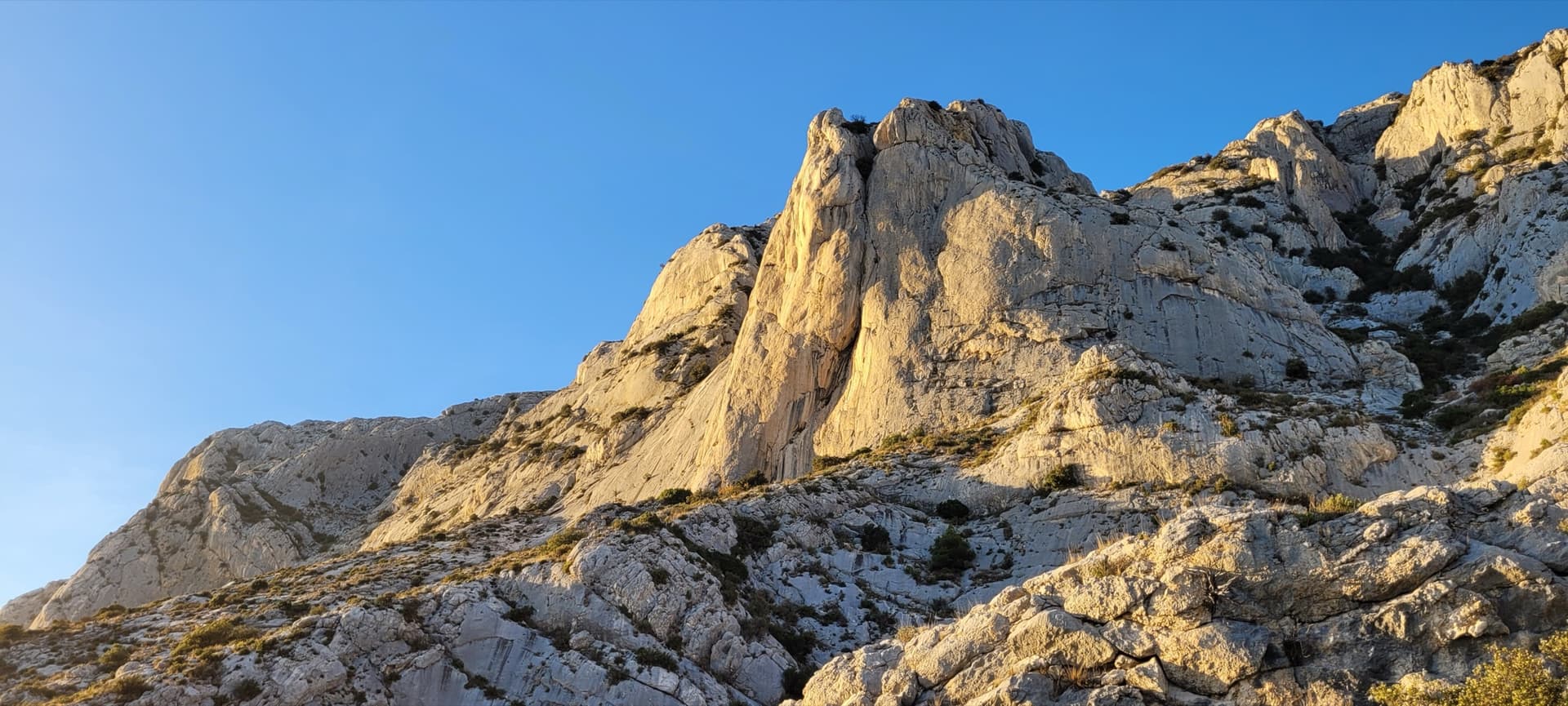
Five pitches of demanding slab climbing on flawless grey rock at the left side of the Surplomb de la Carrière: two pitches of 6c, one of 6b+ with a finger crack, and a pocketed final wall. Closely bolted where it is hard, with an obligatory grade of 6a+.
6c5 pitches120 m
Greece · Leonidio & Kyparissi
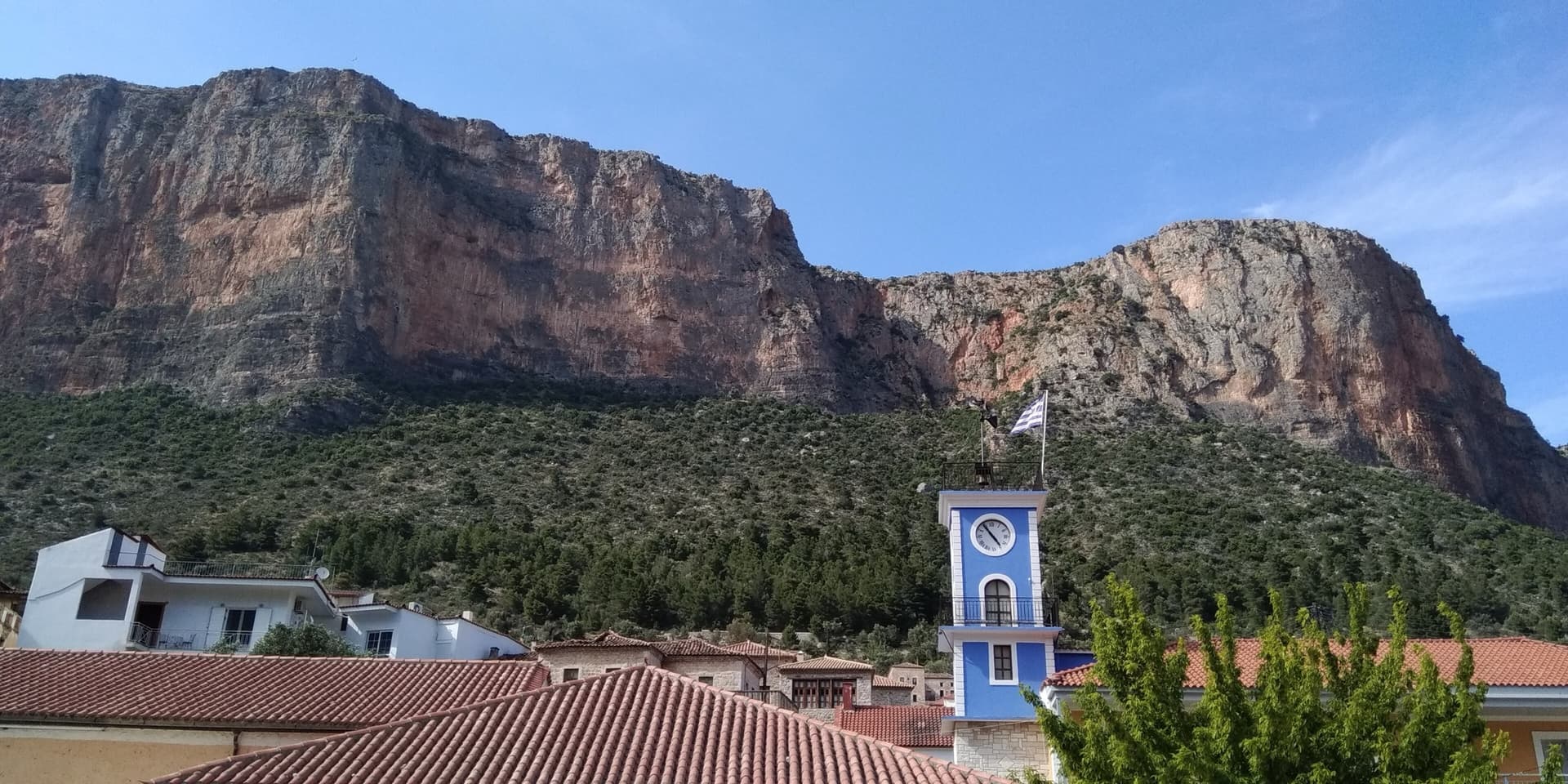
The harder companion to We Salute You: five pitches, three of them 6c, on steep red and grey rock with good holds and bolts close enough to make the obligatory grade only 6a. The steep red sections of the second and fifth pitches are the highlights.
6c5 pitches155 m
Austria · Wilder Kaiser
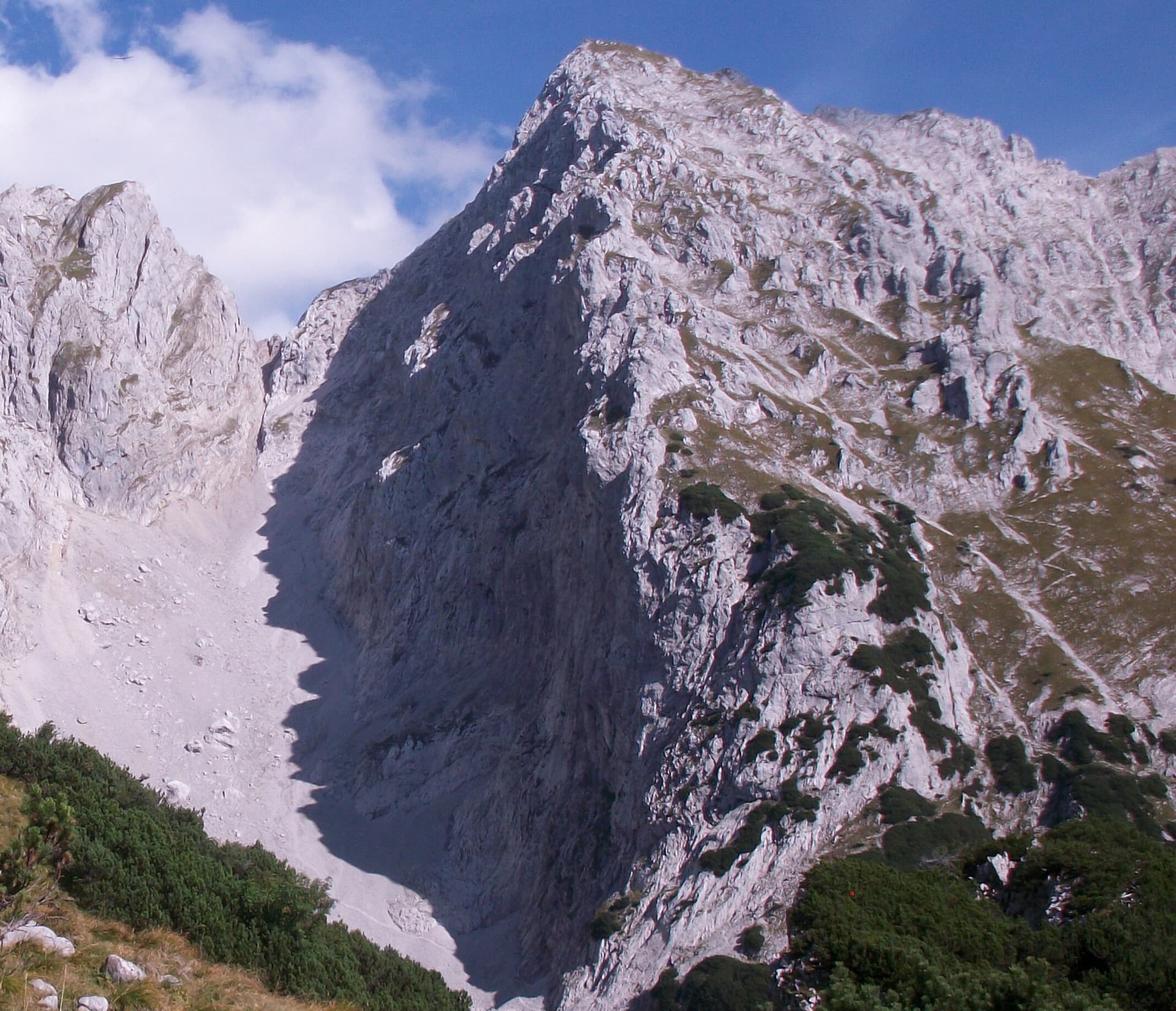
A short alpine sport route in the Schneekar that steepens as it goes: a scrambling start, fine water runnels on rough rock, then a smooth slab into an overhang on pitch 4. The crux is UIAA 7 to 7+ and can be aided on the bolts.
6c5 pitches180 m
Compiled from published sources and last verified October 2026. Bolts, anchors and access change. Climbing is dangerous and you are responsible for your own decisions: check a current topo and read the disclaimer.